Middle East Peace Deal, FISA Extension Shake Up Politics
President Trump announced Iran's agreement to open the Strait of Hormuz, coinciding with an Israel-Lebanon ceasefire, impacting oil prices and markets. Meanwhile, the Senate extended FISA surveillance powers for 10 days amidst privacy concerns. Health Secretary Robert F. Kennedy Jr. testified on combating fraud and chronic disease.


Middle East Peace Deal, FISA Extension Shake Up Politics
President Trump announced a significant development in the Middle East, stating that Iran has agreed to fully open the Strait of Hormuz. This agreement coincides with a 10-day ceasefire between Israel and Lebanon. The move has led to a sharp drop in oil prices and a rise in stock markets.
Iran’s foreign minister confirmed that the waterway will remain open to commercial shipping for the duration of the ceasefire. However, there’s a condition: all commercial vessels must follow routes set by Iranian authorities. President Trump also indicated that blockades on Iranian ports would continue until negotiations are fully complete, suggesting these talks could move quickly.
In further statements, President Trump declared that Iran has committed to never closing the Strait of Hormuz again, preventing its use as a weapon. He also mentioned a call from NATO seeking assistance, which he declined unless they were simply looking to transport oil, describing them as a “paper tiger.”
US Central Command reported that 19 ships have complied with US directives regarding naval blockades, with no vessels evading US forces. Footage showed a crew member guiding a merchant ship back to an Iranian port. French President Emmanuel Macron and British Prime Minister Keir Starmer welcomed the reopening, with Macron emphasizing the need for a neutral mission to support merchant ships in the Gulf.
Macron stated that a meeting involving 49 countries agreed on the necessity of an open Strait of Hormuz to maintain stable oil prices and prevent global economic damage. He welcomed Iran’s announcement but stressed the need for a lasting and workable proposal, reinforcing their defensive mission plans that follow a ceasefire.
Starmer described the proposed mission as peaceful and defensive, intended to reassure shipping and clarify intentions. He invited other nations to join, noting that over a dozen had already offered support, with talks feeding into multinational military planning meetings.
President Trump also confirmed that Israel will end its bombing campaign in Lebanon, citing a US prohibition on further strikes and stating, “Enough is enough.” He also mentioned retrieving “nuclear dust” from Iran, referring to enriched uranium left after an attack on Iranian nuclear sites, and clarified that any deal with Lebanon would be separate from Iran negotiations.
Kervin Oak, a former intelligence coordinator for the US Army, discussed the military and intelligence situation. He noted that the brokered ceasefire between Israel and Lebanon, influenced by Iran’s desire for its proxies to stop Israeli fire, allowed Iran to engage in peace deal negotiations more comfortably. He sees the current situation as a pause with the ability to escalate.
Oak agreed with an assessment that China uses a complex web of operations for its activities, emphasizing the need for a strong intelligence apparatus in the region to track these actions. He pointed out that Chinese-owned tankers often fly flags of other countries to obscure their involvement, a tactic enabled by the Chinese Communist Party’s ownership stake in companies.
Regarding the Israel-Lebanon border, Oak expressed doubt about long-term peace in the near future, stating it depends on whether Hezbollah relinquishes its arms. He also noted the unresolved conflict between Israel and Hamas, where ongoing ceasefires are maintained, highlighting the challenge of disarming groups like Hezbollah and Hamas.
Turning to US politics, Oak assessed Vice President JD Vance’s and Secretary of State Marco Rubio’s approaches to negotiations. He described Vance as “heavy-handed,” using a strong negotiation tactic similar to leaving a car dealership when unsatisfied, which he saw as a forcing function for the Iran ceasefire. Rubio, in contrast, was seen as more of a statesman, listening to both sides to find balance.
FISA Extension Passes
The Senate voted to extend a controversial spy powers act, Section 702 of the Foreign Intelligence Surveillance Act (FISA), for 10 days. This measure, set to expire, now runs until April 30th. The extension follows intense debate and a last-minute decision to opt for a short-term renewal instead of a long-term deal.
Lawmakers argued that allowing the authority to lapse would leave the U.S. vulnerable to adversaries. However, concerns remain about Section 702’s effectiveness in protecting Americans’ privacy, with calls for warrants and safeguards against abuses, which have occurred in the past.
An earlier attempt to pass a 5-year extension with reforms failed, as did an 18-month extension, despite President Trump’s calls for a clean renewal. He had previously stated that while FISA was abused against him, it is crucial for battlefield success when used correctly.
House Speaker Mike Johnson expressed optimism that a deal would be reached by the new deadline, aiming to balance national security needs with safeguarding constitutional rights and preventing past abuses.
Health Secretary Testifies on Fraud and Chronic Disease
Health Secretary Robert F. Kennedy Jr. testified before House lawmakers, addressing issues like fighting fraud and combating chronic disease. He cited an example in Minnesota where a program for autism treatment, expected to cost $7 million annually, ended up costing nearly $30 million due to fraud, with some funds reportedly sent to Somalia.
Kennedy criticized the previous administration’s approach to fraud as “pay and chase,” where fraudulent claims were paid before attempts were made to recover the money. He also highlighted efforts to combat chronic disease, promoting the Trump administration’s initiatives to lower drug prices and increase healthcare price transparency.
Public opinion gathered on the National Mall showed support for the “Make America Healthy Again” initiatives, with people emphasizing the need for a holistic approach to health beyond just food. Concerns were raised about food additives, the influence of drug companies, and the importance of physical activity.
Respondents appreciated Kennedy’s transparency and willingness to discuss public health issues openly, breaking down barriers that prevented people from speaking out. There was also a sentiment that some health practices, including certain vaccine approaches, warrant closer examination.
President Trump also nominated Dr. Erica Schwarz to lead the CDC, filling a vacancy since August. Schwarz previously served as Deputy Surgeon General and has extensive experience in public health and the U.S. Public Health Service Commissioned Corps. Her appointment requires Senate confirmation.
Economic and Political Developments
President Trump is campaigning across battleground states, promoting the previous year’s Republican tax cuts. He highlighted the tax cuts, which extended the 2017 reductions and included campaign promises, as beneficial for working families. He emphasized that not electing Republicans would lead to tax increases.
The campaign highlights include the average tax refund exceeding $4,000, with many workers in Las Vegas reporting even higher refunds due to measures like eliminating taxes on tips and overtime pay. Democrats criticize these cuts, arguing they primarily benefit the wealthy and corporations.
In other political news, Democrat Anna Mahia won a special election in New Jersey’s 11th congressional district, narrowing the Republican majority in the House. The district has leaned Democratic in recent years, with Mahia running on a progressive platform.
The Department of Homeland Security (DHS) faces a funding stalemate, with Republicans seeking solutions without Democratic support. Officials warn that key investigations, including those targeting fraud, are going unfunded due to the prolonged shutdown.
Republicans are considering using budget reconciliation to pass immigration funding with a simple majority. Proposals include a slimmed-down bill focused on ICE and Border Patrol. However, there is resistance within the party, with some advocating for full funding across all DHS agencies.
Officials state that the shutdown is impacting operations, including investigative work and intelligence networks. They highlighted a major gift card fraud case uncovered by Homeland Security Investigations, linked to Chinese gangs sending money back to military units in China.
Democrats blame Republican infighting for the shutdown, while Republicans accuse Democrats of playing politics with national security. A June 1st deadline set by President Trump adds pressure for a consensus.
Todd Lyons, acting director of ICE, is stepping down, with Homeland Security crediting him with revitalizing the agency and removing violent criminals. His last day is May 31st.
Lawmakers are also addressing China’s efforts to steal advanced American AI technology, pointing to potential violations of export bans. Concerns were raised that Chinese AI developed from stolen technology is being used against U.S. military personnel.
An industry working group involving companies like OpenAI, Anthropic, and Google is sharing intelligence to combat intellectual property theft by China. Lawmakers support measures like the MATCH Act to ban the sale and servicing of chip equipment to China and urge allies to do the same.
The State Department is expanding visa restrictions to foreign nationals supporting activities linked to hostile powers across the Western Hemisphere, including individuals connected to the Chinese Communist Party operating in Central America.
In London, police are investigating a security scare near the Israeli embassy after suspicious items were found.
Source: Trump: Hormuz Fully Open, Blockade Remains; Senate Passes FISA Extension | NTD News Today April 17 (YouTube)

Related Articles
Iran Deal Boosts Markets, Oil Prices Drop
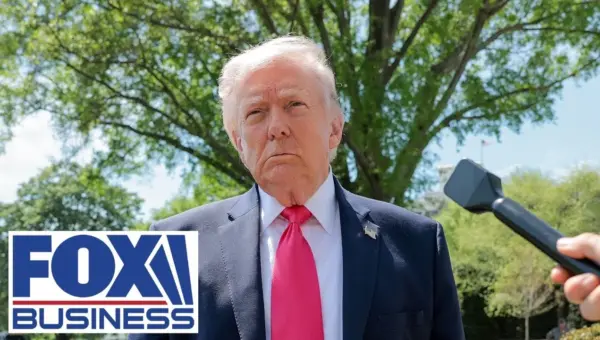
President Trump's announcement of progress in Iran has spurred a global market rally, with oil prices falling significantly. Initial earnings reports show strong corporate growth, and analysts believe there is further upside potential for the market. The U.S. is also focusing on energy independence, which could boost national revenue.
Trump Claims Iran War Is Ending, Cites Military Might
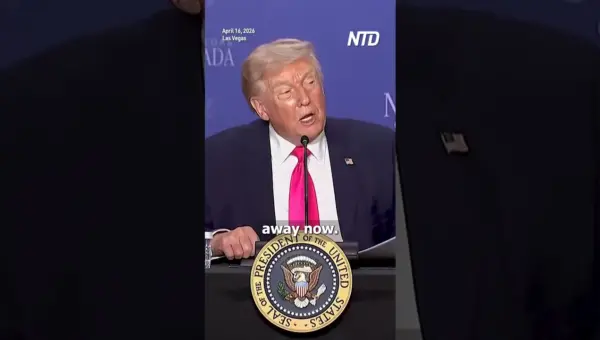
Former President Donald Trump stated that the conflict in Iran is progressing well and should end soon. He attributed this to the strength of the U.S. military and his past economic policies. Trump believes his actions have created successful deterrence in the region.
China Aids Iran With Spy Satellite Data
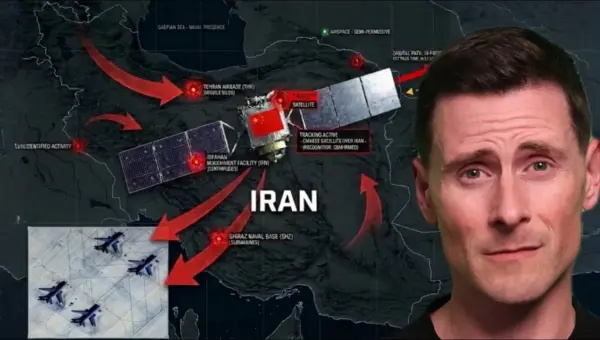
China has reportedly provided Iran with high-resolution satellite imagery from the TE01B satellite, enhancing Iran's targeting capabilities against U.S. forces. This comes as the U.S. maintains a naval blockade to pressure Iran into nuclear concessions.