PM’s Ambassador Row Derails “Good Week” Momentum
Prime Minister Keir Starmer faces calls to resign after a scandal involving the vetting of Peter Mandelson for the US ambassador role. The controversy has derailed a week previously seen as a success for Starmer, raising questions about government transparency and the Prime Minister's credibility.

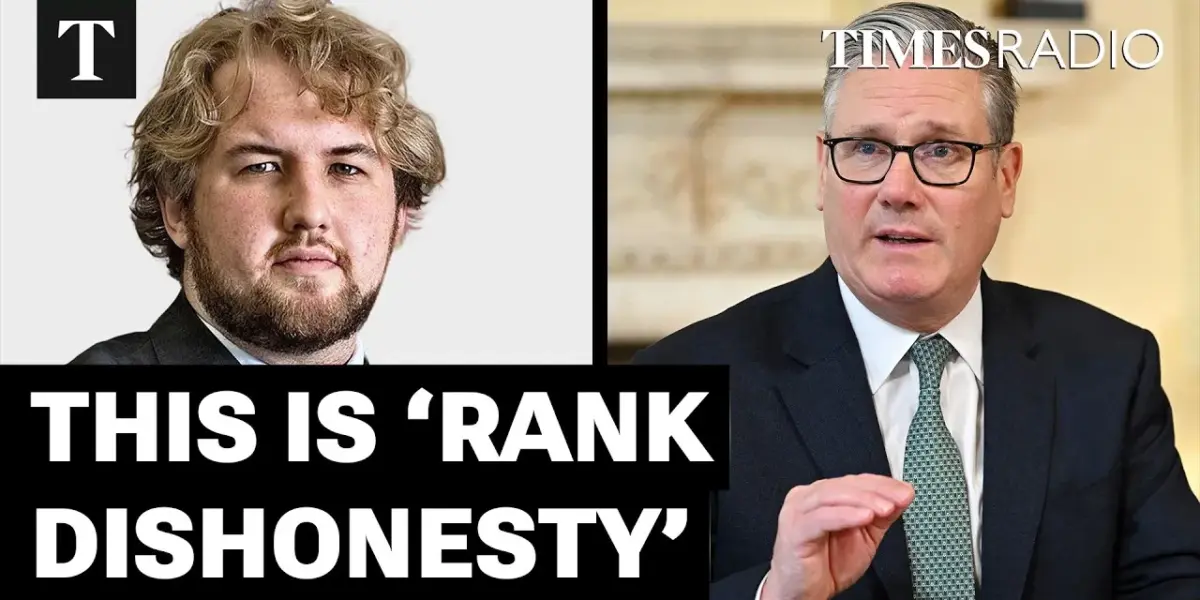
Prime Minister Faces Vetting Scandal Fallout
Prime Minister Keir Starmer is facing calls to resign following revelations about the vetting process for Peter Mandelson’s appointment as US ambassador. The scandal has overshadowed what was previously considered a strong week for Starmer, casting doubt on his leadership and the government’s transparency.
The issue came to light when it emerged that Oliver Robbins, the Foreign Office’s top civil servant, lost his job after the department failed to inform the Prime Minister that Mandelson had not passed security vetting for the ambassadorial role. This directly contradicts statements made by the Prime Minister in Parliament in February, where he asserted that full due process was followed for all ambassadorial appointments.
Questions Swirl Around Security Vetting Process
Minister Darren Jones expressed shock at the news, telling Sky News that the process allowed the Foreign Office to disregard advice from security vetting agents. He described this as an unacceptable procedure, though he noted it was the process at the time. Jones stated that changes were made immediately upon learning of this option being available to the Foreign Office and a few other organizations.
However, the government maintains that the process was followed, and therefore the Prime Minister did not mislead the House of Commons or anyone else. This explanation has been met with skepticism, with some commentators suggesting the situation points to deep dysfunction within the government.
“Rank dysfunctionality and rank dishonesty are both perennial features of the Starmer project. So trying to establish which of these deeply problematic and depressing scenarios amounts the truth and the extent to which they intersect is basically impossible.”
Prime Minister’s Role and Responsibility Under Scrutiny
The article questions the Prime Minister’s involvement, noting that he reportedly did not speak to Peter Mandelson during the entire vetting process. This is seen as particularly concerning given Mandelson’s controversial nature and the high stakes of the diplomatic relationship with the US.
The narrative suggests a potential conflict between the Prime Minister’s public statements and the reality of the vetting process. It raises the possibility that the Prime Minister was either not fully informed or that the government is not presenting the complete truth. The pressure to get Mandelson’s appointment finalized quickly is also highlighted as a key factor.
Civil Servant’s Position and Potential Fallout
Oliver Robbins’ role is central to the unfolding story. He is expected to appear before the Foreign Affairs Select Committee next week, where his testimony could shed further light on the events. There is speculation about whether Robbins will speak out sooner, potentially before his scheduled appearance.
Sources close to former Prime Minister Theresa May have reportedly described the idea of Robbins overriding vetting outcomes and not informing Number 10 as “utterly incredible.” They emphasize Robbins’ scrupulous reporting to his political superiors. However, others suggest that if the government is not being truthful, Robbins might feel compelled to speak out to protect his reputation.
Impact on Starmer’s Political Strategy
The controversy has significantly impacted Starmer’s recent political strategy. A column written prior to the scandal suggested Starmer was in a strong position, having navigated the Iran war effectively and appearing more confident and decisive. This was seen as an opportunity for him to position himself above party politics and closer to European allies.
However, the Mandelson affair has abruptly halted this momentum. The article suggests that the Prime Minister’s position is now precarious, with questions arising about his credibility and ability to lead. His shifting personas and perceived inconsistencies are noted as a recurring problem that makes it difficult for the public to trust his pronouncements.
Broader Implications for Governance and Trust
The situation raises broader concerns about the functioning of the British state and the level of trust citizens can place in their government. Even if the explanation is one of incompetence rather than dishonesty, it points to systemic issues that are difficult to rectify.
Journalists and the public are left grappling with a lack of clear information and a sense of exasperation. The article concludes by emphasizing that the current situation, regardless of its root cause, is corrosive to public trust and the effective governance of the country.
Source: Starmer's Good Week Has Been Completely Ruined | Patrick Maguire (YouTube)

Related Articles

PM Faces ‘Incompetent’ Accusations in Mandelson Vetting Scandal
Prime Minister Rishi Sunak is facing accusations of incompetence and misleading Parliament following revelations that Peter Mandelson, appointed UK ambassador to Washington, failed security vetting. The scandal has led to the resignation of top civil servant Sir Oliver Robbins and sparked debate over government transparency and the appointment process.


19-Year-Old Leads UK Council, Joins Elite Young Power List
George Finch, a 19-year-old representing Reform UK, has been appointed leader of Warwickshire County Council and recognized on the Sunday Times Young Power List. He discussed the responsibilities of his role and his views on public service, drawing parallels to other demanding professions for young people. Finch also shared his perspective on handling public service disputes, emphasizing the need to support the majority of residents.
PM Faces Incompetence Claims Amid Envoy Vetting Scandal
Prime Minister Rishi Sunak faces accusations of incompetence and misleading Parliament after the Foreign Office reportedly overruled security vetting for Peter Mandelson's appointment as US ambassador. Opposition leaders are calling for his resignation. Analyst Adam Boulton compares the situation to Liz Truss's tenure, citing a pattern of poor judgment in appointments.