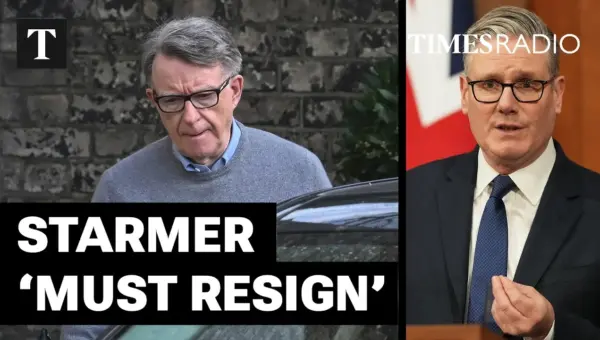
PM Faces ‘Incompetent’ Accusations in Mandelson Vetting Scandal
Prime Minister Rishi Sunak is facing accusations of incompetence and misleading Parliament following revelations that Peter Mandelson, appointed UK ambassador to Washington, failed security vetting. The scandal has led to the resignation of top civil servant Sir Oliver Robbins and sparked debate over government transparency and the appointment process.

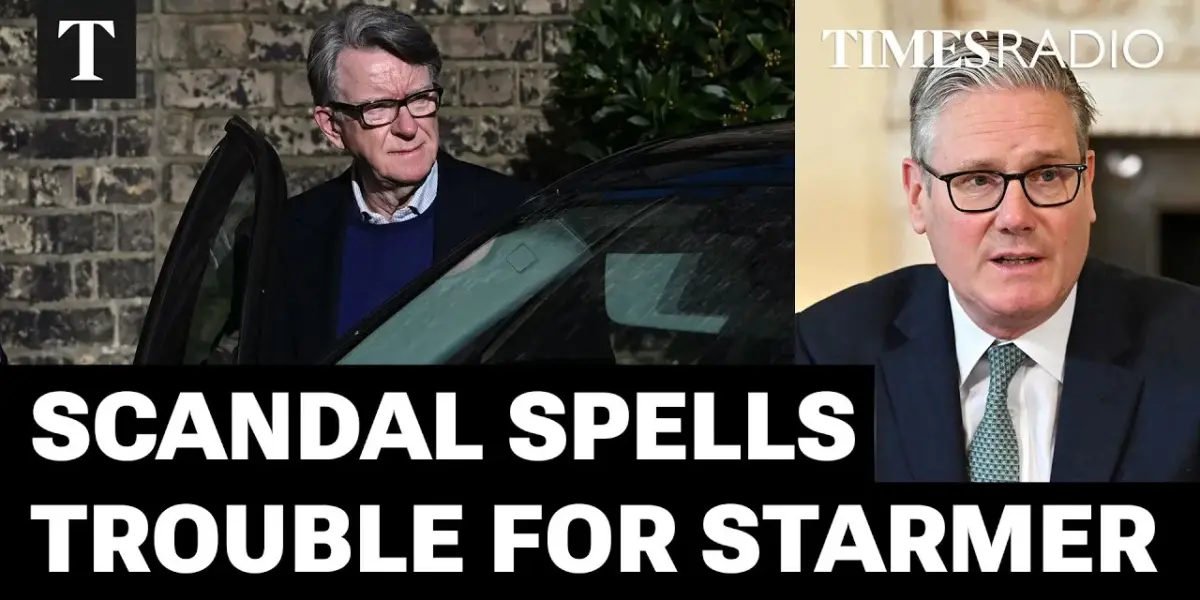
Prime Minister Under Fire Over Ambassador Appointment
Prime Minister Rishi Sunak is facing intense scrutiny following revelations that Peter Mandelson, appointed as the UK’s ambassador to Washington, failed his security vetting but was given the role anyway. The controversy has led to the resignation of the top civil servant in the Foreign Office, Sir Oliver Robbins, and raised serious questions about the integrity of the appointment process.
Opposition parties and commentators are questioning whether the Prime Minister misled Parliament when he repeatedly stated that “full due process was followed” for the appointment. This claim now appears to be false, as the security vetting process, a crucial part of “full due process,” was not successfully completed.
Key Events and Accusations
The timeline of events has become central to the growing scandal. In September, the Prime Minister told MPs that the appointment of an ambassador always involves “full due process.” However, it has since emerged that Peter Mandelson did not pass the required security clearance. This discrepancy has led to accusations that the Prime Minister either lied to Parliament or acted with extreme incompetence.
Labour MP Emily Thornbury, chair of the Foreign Affairs Committee, has called for greater transparency, stating that the public is not being told the full story. She questioned whether Sir Oliver Robbins, a senior civil servant, made the decision to override the vetting failure on his own or if he was pressured by others.
Conservative leader Kemi Badenoch has also voiced concerns, asserting that the Prime Minister misled Parliament. She highlighted that if Mandelson failed vetting, then “full due process was not followed,” and misleading Parliament is typically considered a serious offense that warrants resignation.
Government’s Response and Scrutiny
Number 10 has maintained that the Prime Minister was unaware that Peter Mandelson’s vetting had been overlooked until earlier this week. They claim he was planning to update MPs on the matter, even if The Guardian had not broken the story. However, questions remain about why it took over a year for this information to surface.
Sun political editor Jack Elsom noted that the government’s response has been one of “dogged indignation.” He suggested that Downing Street knew their next move was critical for the Prime Minister’s political survival. Elsom also pointed out the potential for “double standards,” suggesting that the Prime Minister would likely have been highly critical of a Conservative leader in a similar situation.
The Developed Vetting Process Explained
Matthew Savile, a former senior civil servant involved in the developed vetting process, explained that this is a high level of security clearance allowing “frequent and uncontrolled access to top secret material.” The process examines an individual’s suitability, reliability, and trustworthiness by looking at their entire background.
Savile detailed that checks include finances, potential vulnerabilities to blackmail, criminal records, and background checks with security services to identify susceptibility to foreign intelligence services. The vetting involves detailed interviews with the individual and others about their views, habits, and lifestyle. He noted that while the exact reason for Mandelson’s failure is not public, the process aims to allow individuals to disclose personal issues so that risks can be assessed.
Questions Over Foreign Office Authority
A key point of confusion is how the Foreign Office could allegedly overrule the vetting process. Savile expressed surprise, stating that in his experience, individual departments did not typically have the authority to override decisions made by the UK Security Vetting (UKSV) unit. Previously, departments might issue a waiver, meaning a developed vetting clearance was no longer a strict requirement for a role, thus limiting the information an individual could access.
The Foreign Office’s alleged ability to overrule the vetting is considered unusual, especially without a clear logical basis, unless it was to accommodate an already announced appointment. The departure of Sir Oliver Robbins, a career civil servant known for appreciating process, further deepens the mystery.
Parallels to Past Scandals
Commentators have drawn parallels between the current situation and the downfall of former Prime Minister Boris Johnson. The public’s ability to easily understand the core of the Mandelson scandal—a controversial figure appointed to a key diplomatic role despite security concerns—makes it a potent political issue.
The focus on whether the Prime Minister misled Parliament is particularly damaging, as it strikes at the heart of accountability in government. The lack of government officials appearing on media rounds to defend the situation is seen by some as a sign of the trouble they are in, mirroring the strategy of previous administrations facing difficult questions.
Looking Ahead
The scandal is far from over, with ongoing investigations into the exact sequence of events and who was responsible for the decision to appoint Peter Mandelson despite his vetting failure. The role of Sir Oliver Robbins’ departure and any potential evidence he may possess will be crucial in determining the full extent of the Prime Minister’s involvement and accountability.
Source: Starmer Looks 'At Best, Incredibly Incompetent' In Mandelson Vetting Scandal | Jack Elsom (YouTube)

Related Articles
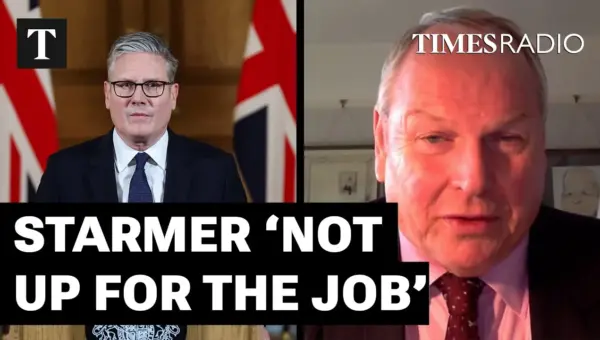
PM Faces Incompetence Claims Amid Envoy Vetting Scandal
Prime Minister Rishi Sunak faces accusations of incompetence and misleading Parliament after the Foreign Office reportedly overruled security vetting for Peter Mandelson's appointment as US ambassador. Opposition leaders are calling for his resignation. Analyst Adam Boulton compares the situation to Liz Truss's tenure, citing a pattern of poor judgment in appointments.

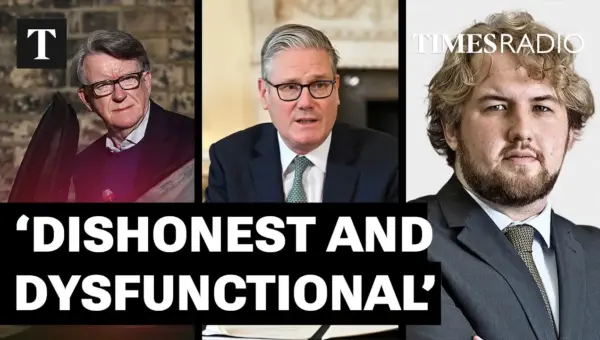
PM Faces ‘Boris Johnson Moment’ Over Mandelson Vetting Scandal
Prime Minister Keir Starmer is under intense pressure following revelations that Peter Mandelson, appointed US ambassador, failed security vetting. Questions are being raised about what Starmer knew and when, with the situation drawing comparisons to the Boris Johnson era. The departure of a senior civil servant has only fueled skepticism over the government's defense.

UK Officials Overruled Vetting for Ambassador Role
Reports reveal Peter Mandelson's appointment as British ambassador to Washington was pushed through despite being denied security clearance. Foreign Office officials overruled the vetting decision, leading to accusations that the Prime Minister misled Parliament and raising questions about accountability.