NYC Home Tax Hike Sparks Outcry, Investors Flee
New York City faces backlash over Governor Hochul's proposed annual tax on homes over $5 million, aiming to raise $500 million annually. Critics warn of job losses and business exodus, while Mayor Mamdani hails it as a fiscal solution. The tax could deter buyers and impact property values.

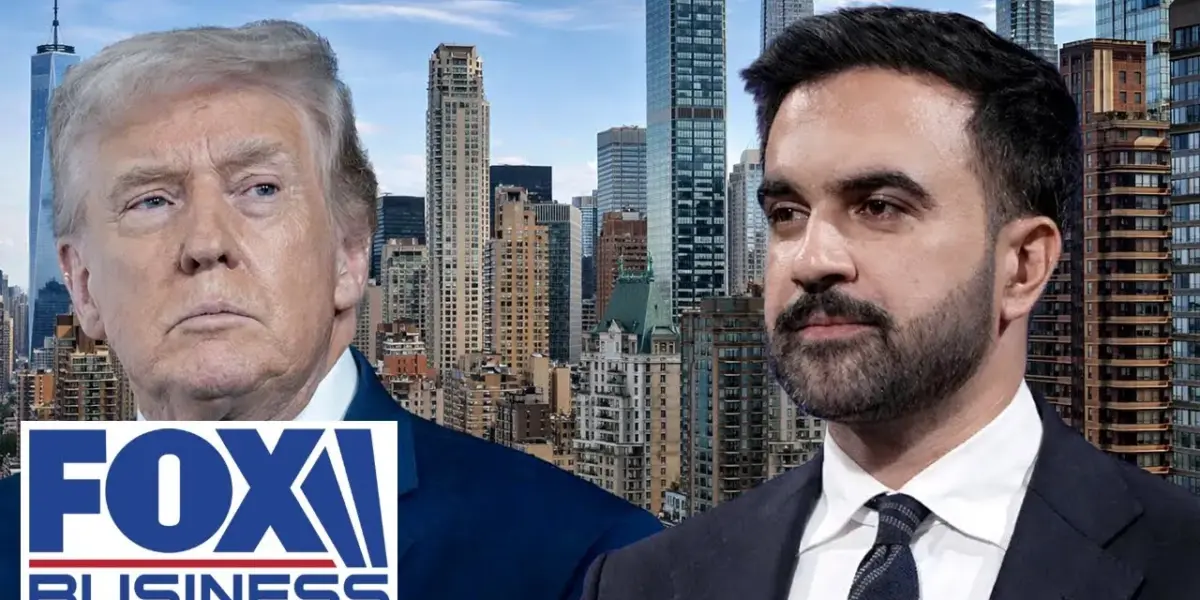
New York City Faces Tax Revolt Over Proposed Luxury Home Surcharge
New York City’s real estate market is buzzing with controversy as Governor Kathy Hochul proposes a new annual tax. This surcharge targets homes valued at over $5 million that are considered second properties.
The move has drawn sharp criticism from real estate brokers and investors who fear it will harm the city’s economy. Mayor Zohran Mamdani, however, sees the proposal as a positive step toward fiscal stability.
Mayor Mamdani Champions Tax as Fiscal Lifeline
Mayor Mamdani expressed strong support for the new tax, calling it “worthy of celebration.” He believes it will generate $500 million annually by taxing the wealthiest residents. Mamdani argues this revenue is crucial for addressing the city’s “generational fiscal crisis.” He also took a swipe at figures like Ken Griffin, CEO of Citadel, suggesting that the city needs to tax extreme wealth to fund essential services.
“I think it’s worthy of celebration when we work together with the Governor to put forward a proposal that will raise a half billion dollars every year by taxing the wealthiest of the wealthy… All at the time in which our city is facing a generational fiscal crisis.”
Critics Warn of Economic Fallout and Job Losses
Opponents of the tax, including real estate professionals, argue it will have severe negative consequences. Jason Haber, president of a top-performing agents group in New York City, highlighted concerns about job losses.
He pointed out that buildings like the one Ken Griffin is associated with provide good-paying union jobs in construction. Imposing this tax, Haber warned, will discourage investment and lead to fewer construction jobs, hurting union workers.
Haber questioned the shift in policy, recalling Governor Hochul’s earlier stance against raising taxes. He emphasized that transformative investments can be made without increasing the tax burden on residents and businesses. The proposed tax, he argues, is a recurring annual charge that adds significantly to the cost of homeownership, unlike one-time taxes like the mansion tax.
Exodus of Businesses Threatens City’s Economic Base
Concerns are mounting that this new tax will accelerate the departure of businesses and wealthy individuals from New York City. Companies like Citadel, Elliott Management, Foot Locker, and Palantir have already relocated.
This trend, critics argue, represents trillions of dollars leaving the city’s economy. Shrinking the tax base by driving away productive individuals and companies will make it harder for the city to fund essential services like healthcare and support for those in need.
Former President Donald Trump also weighed in, criticizing Mayor Mamdani’s policies on Truth Social. He stated that such “tax, tax, tax” policies are wrong and that people are fleeing the city. Trump, a real estate developer himself, warned that these policies are historically proven to be ineffective and will only worsen the situation.
“Sadly, the Mayor is destroying, ALL CAPS, New York. It has no chance. The U.S. should not contribute to its failure, it’s only going to get worse.
Tax, tax, tax policies are so wrong, people are fleeing, they must change their ways and fast. History has proven this stuff doesn’t work.”
Market Impact: Buyers Rethink Purchases, Property Values at Risk
The immediate impact is already being felt in the market. Buyers looking at homes around the $5 million mark are now considering properties priced below this threshold.
Haber explained that the annual tax, estimated to be around $35,000 on a $5 million home, adds up quickly. After five years, this recurring tax could exceed the cost of the one-time mansion tax, creating a significant ongoing financial burden.
This added cost discourages potential buyers. Real estate professionals worry that if buyers face too many hurdles, they will reconsider purchasing property in the city altogether. This could lead to a general decrease in real estate values across New York City.
Affordable Housing Goals Complicated by Tax Policies
Mayor Mamdani has spoken about the need for affordable housing, but critics argue that New York City’s strict regulations and tax structure hinder such development. Former President Trump has previously noted that building affordable housing is difficult due to these policies. Adding more taxes on high-value properties may not align with the goal of increasing housing supply.
The city is attempting to address its housing deficit. New York City’s $320 billion pension fund is investing $4 billion in affordable housing projects.
This includes funding for conversions, mortgages, and new construction. However, the effectiveness of these initiatives could be undermined if the overall tax and regulatory environment discourages investment in the real estate sector.
Structural Imbalances Plague Rent-Stabilized Market
Beyond the luxury market, New York City faces deeper structural issues. Approximately 50,000 rent-stabilized apartments remain vacant.
This situation is partly due to changes in rent laws made in 2019. Landlords find it more financially viable to keep these apartments empty than to renovate them and be unable to recoup renovation costs due to rent control.
This problem of vacant, rent-stabilized units highlights the challenges of overregulation in the housing market. Fox Business reporter Madison Alworth has documented these empty apartments, illustrating the unintended consequences of policies aimed at controlling rent. The city’s efforts to fix the housing deficit are complicated by these existing imbalances.
What Investors Should Know
The proposed tax on homes over $5 million is a significant development for New York City’s real estate market. Investors and potential buyers should be aware of the recurring annual cost, which could substantially increase the total expense of owning high-value property. The tax’s potential to discourage investment and lead to job losses is a major concern for the city’s economic health.
The ongoing debate highlights the tension between raising revenue and fostering economic growth. The city’s ability to attract and retain businesses and wealthy residents will be tested by these new tax policies.
The success of affordable housing initiatives may also depend on a more favorable overall tax and regulatory environment. The city faces a crucial decision on how to balance its fiscal needs with the imperative to remain an attractive place for investment and residence.
New York City’s Rent Guidelines Board is set to vote on rent adjustments for rent-stabilized apartments in the coming weeks.
Source: 'DESTROYING NEW YORK': Trump takes aim Mamdani's latest tax SCHEME (YouTube)

Related Articles

Mayor Mamdani Navigates First 100 Days, Dodging GOP Attacks
New York City Mayor Zohran Mamdani has successfully navigated his first 100 days, largely avoiding the political attacks Republicans had hoped to launch. His strategic approach to media and governance has kept him out of the national spotlight as an easy target. This success could influence how Democrats approach policy and messaging nationwide.

NYC Mayor Backs Tax on Luxury Homes Amid Fiscal Crisis
New York City Mayor Zohran Mamdani supports Governor Kathy Hochul's proposed tax on second homes over $5 million. This initiative aims to address the city's $5 billion budget gap by taxing wealthy non-resident property owners. The proposal sparks debate over wealth inequality and economic impact.


Vegas Housing Market Cracks: What Buyers, Sellers Should Know
The Las Vegas housing market is signaling a significant correction, with vacancy rates hitting a decade high and home sales plummeting. Experts point to potential overvaluation in home prices, creating challenges for sellers and opportunities for informed buyers. Understanding local economic factors and market data is crucial for navigating this evolving landscape.