NYC Mayor Backs Tax on Luxury Homes Amid Fiscal Crisis
New York City Mayor Zohran Mamdani supports Governor Kathy Hochul's proposed tax on second homes over $5 million. This initiative aims to address the city's $5 billion budget gap by taxing wealthy non-resident property owners. The proposal sparks debate over wealth inequality and economic impact.

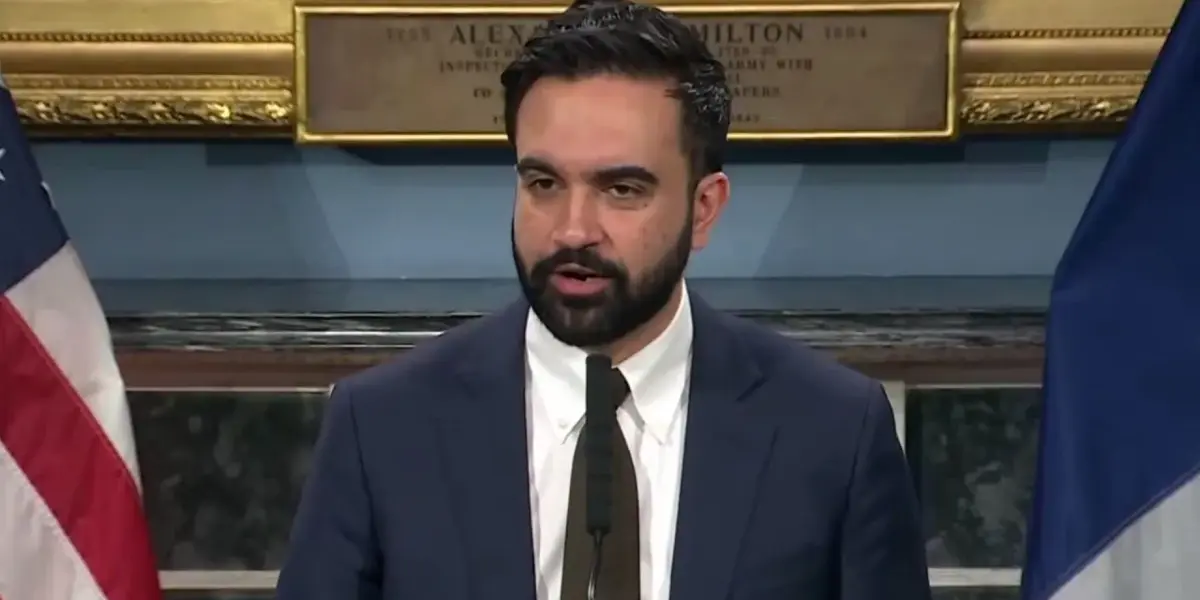
NYC Mayor Backs Tax on Luxury Homes Amid Fiscal Crisis
New York City Mayor Zohran Mamdani has publicly supported Governor Kathy Hochul’s proposal for a new tax on second homes valued at over $5 million. This move comes as New York City grapples with a significant budget shortfall, highlighting a growing debate about wealth concentration and public services.
The proposed tax targets non-resident owners of high-value secondary properties. These include individuals like Saudi billionaire Fawaz Al Hokair, who bought a $95 million penthouse, and Russian auto dealer Alexander Varshavsky, who purchased a $20.5 million property with cash. The mayor sees this as a way to address the city’s financial challenges.
Mayor Mamdani, who identifies as a Democratic Socialist, views this tax as a positive step. He stated that the wealth accumulating in New York City should contribute to solving the city’s problems. He described the proposal as something “worthy of celebration” in the context of ongoing efforts to improve the city’s financial health.
However, Governor Hochul’s proposal has met with resistance. The governor is currently running for re-election, and the timing of this tax plan could have political implications. The city’s budget gap is estimated to be around $5 billion, making fiscal solutions a top priority.
Historical Context of Wealth and Taxes in NYC
New York City has long been a magnet for global wealth. Its iconic skyline and status as a financial hub attract investors and individuals with substantial assets. This influx of capital has also brought challenges, including rising housing costs and debates over wealth inequality.
Throughout history, New York has seen various attempts to tax luxury goods and high-value properties. These efforts often spark vigorous debate, pitting the need for public revenue against concerns about driving away investment or penalizing success. The current proposal is part of this ongoing conversation.
The idea of taxing non-resident property owners is not entirely new. Such measures are often debated in cities with high real estate values and significant wealth disparities. The goal is typically to ensure that those who benefit most from the city’s economic environment contribute proportionally to its upkeep and social services.
Arguments for the Second Home Tax
Supporters of the tax argue that it is a fair way to generate much-needed revenue for public services. They point to the vast sums of money tied up in luxury real estate as a resource that can be tapped without unduly burdening average residents.
This tax could help fund essential services like public schools, infrastructure improvements, and affordable housing initiatives. For a city facing a $5 billion budget gap, any new revenue stream is critically important for maintaining current services and investing in the future.
The focus on non-resident owners is also a key argument. Proponents suggest that these individuals have less direct connection to the daily life and needs of the city compared to permanent residents. Therefore, asking them to contribute more through taxes is seen as reasonable.
Potential Downsides and Criticisms
Critics of the proposal raise concerns about its potential impact on the real estate market. Some fear that such a tax could discourage foreign investment or lead wealthy individuals to seek properties elsewhere, ultimately hurting the city’s economy.
There are also questions about the practicalities of implementation and enforcement. Defining what constitutes a “second home” and ensuring compliance among a global pool of owners can be complex. Legal challenges are also a possibility.
Some argue that taxing property based on ownership rather than residency could set a problematic precedent. They believe that tax policies should primarily focus on income earned or activity within the city, rather than simply owning an asset.
Why This Matters
This debate is crucial because it touches on fundamental questions about fairness, economic development, and the responsibilities of wealth in a major global city. New York City, like many large urban centers, constantly balances the need to attract investment with the imperative to provide for its residents.
The outcome of this proposal will likely influence future tax policies in New York and potentially other cities facing similar fiscal pressures and wealth disparities. It reflects a broader societal discussion about how to create more equitable economic systems.
Implications, Trends, and Future Outlook
The trend toward increased scrutiny of wealth and its role in urban economies is likely to continue. As cities worldwide face budget challenges and growing inequality, similar tax proposals may emerge.
The success or failure of Governor Hochul’s proposal could set a precedent for how other jurisdictions approach taxing luxury real estate and non-resident ownership. It could signal a shift in how cities view their relationship with global capital.
Looking ahead, policymakers will need to carefully consider the economic impacts, fairness, and administrative feasibility of such taxes. Finding a balance that generates revenue without stifling economic activity will be key.
The debate over this second home tax is expected to intensify as the governor’s re-election campaign progresses and the city’s budget negotiations continue. The specific details of the tax, including its exact rate and any exemptions, will be critical to its eventual passage and effectiveness.
Source: NYC Mayor Zohran Mamdani Backs Proposed 2nd Home Tax (YouTube)

Related Articles

Mayor Mamdani Marks 100 Days: Tackling Housing, Transit, and Safety
New York City Mayor Zohran Mamdani delivered his 100-day address, highlighting progress on housing affordability, public transit, and public safety. He detailed new policies and investments aimed at tackling the city's most pressing issues. The mayor outlined a clear vision for a more equitable and prosperous New York.


Mamdani’s ‘Track Star’ Captivates Celebs, Rivals MTV
A new digital show, 'Track Star,' is rapidly gaining fame, attracting stars like LeBron James and politicians like Kamala Harris. Hosted by Jack Coyne and backed by Gus Wenner, the show's success is drawing comparisons to MTV's early impact. Its ability to blend entertainment and current events signals a shift in digital media influence.

NYC Mayor Faces Tax Hikes Amid Budget Crisis
New York City Mayor Eric Adams is facing a budget crisis that may lead to significant tax increases, including a proposed 51% rise in the top marginal tax rate. Critics point to campaign promises clashing with the city's fiscal reality, potentially impacting middle-class residents and businesses.