Iran War Fuels UK Crisis: Britain Faces Shortages
The closure of the Strait of Hormuz due to the Iran war is threatening to upend life in Britain, with experts warning of potential shortages of fuel, food, and essential goods. Experts and former crisis planners discuss the UK's preparedness, the impact of CO2 shortages, and the need for both government action and public resilience.

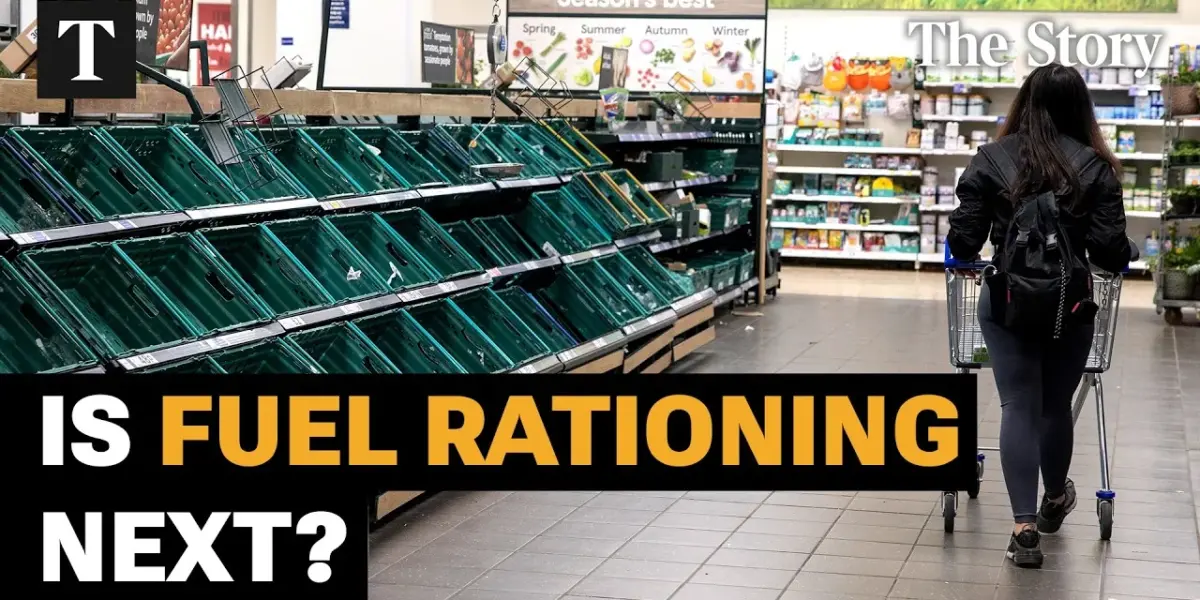
Iran War Threatens UK Supply Chains, Sparking Fears of Shortages
The ongoing conflict in the Middle East, specifically the closure of the Strait of Hormuz, is poised to significantly disrupt life in Britain. This critical waterway, through which 20% of global oil and natural gas normally passes, is now operating at a greatly reduced capacity. Experts warn that the real impact on Britain and Europe will be felt in late April and early May, as existing supplies dwindle.
This disruption isn’t just about rising fuel prices; it’s a threat to global economic security. The situation is already causing hardship in Asia, with Sri Lanka implementing national holidays to save energy and Thailand experiencing fuel shortages. Ireland has seen widespread fuel protests organized through social media.
COBRA Mechanism and National Risk Register: UK’s Crisis Response
Rob Doran, director of Black Dog Crisis Management and a former participant in UK crisis planning, explained the government’s approach. He noted that while the UK has well-developed systems like the COBRA mechanism for managing short-term crises, the current geopolitical challenges are significant. These require a different approach to involve the whole of government and society.
Doran highlighted the UK’s National Risk Register, which outlines around 100 potential scenarios, including risks to oil supply. However, he cautioned that traditional planning often looks at issues in isolation. The current crisis is a “system of systems” problem, where disruptions in one area can cause a cascade of effects.
Beyond Fuel: CO2 Shortages Threaten Food and Goods
A key concern highlighted by the closure of the Strait of Hormuz is the potential shortage of carbon dioxide (CO2). CO2 is a vital component in many industries, including food production, healthcare, and the beverage sector. Fertilizer production, which relies on similar raw materials and transport routes, also yields CO2.
The UK’s domestic CO2 production is limited. While the government is reportedly taking steps to reopen production facilities, the situation highlights the vulnerability of complex global supply chains. This mirrors a similar CO2 challenge seen in 2022 due to the war in Ukraine, which led to shortages of items like soft drinks.
Government Communication and Public Resilience
Doran emphasized the difficulty governments face in communicating potential crises without causing panic. However, he pointed to Nordic and Baltic states as examples of countries that successfully engage the public in preparedness. The concept of “whole of society resilience” suggests individuals, businesses, and organizations must also prepare for potential disruptions.
He argued that being open about risks can actually reduce public anxiety. The challenge for the government lies in managing these impacts when they significantly affect the economy. Stabilizing supply or encouraging action requires investment, creating a difficult balancing act.
Potential Impacts on Daily Life in Britain
For the average person, the immediate effects are likely to be rising prices, already seen at the pumps and with fuel. Experts anticipate pockets of unavailability for certain goods, leading to less choice rather than outright shortages. This could mean seeing fewer varieties of products on supermarket shelves.
Organizations are being urged to understand their supply chains more deeply to build resilience. While massive shortages are not currently predicted, the situation remains fluid. The prospect of reduced choice is a significant concern for consumers and businesses alike.
Behavioral Changes and Long-Term Strategy
The possibility of encouraging behavioral changes, such as working from home to reduce fuel consumption, is being discussed. Nick Butler, former vice president for strategy and policy at BP, suggested that a national emergency fuel plan could include such recommendations. He stressed the importance of managing both supply and demand.
Looking further ahead, the crisis prompts a 10-20 year project to redefine the UK’s reliance on global supply chains. Decisions about stockpiling, domestic production, and accelerating the shift to renewables will be crucial. These are long-term strategic choices that governments must begin addressing now.
Global Economic Outlook and UK’s Vulnerability
Jack Baret, economics correspondent for The Times, reported from Washington D.C. At the IMF and World Bank spring meetings.
The mood was gloomy, with forecasts predicting slower global growth and higher inflation. The UK faces a particularly sharp downgrade in growth prospects for the year.
The UK is uniquely exposed to supply shocks due to its reliance on imported natural gas and the impact of higher energy prices on consumers and businesses. This situation could push the UK economy towards recession if the crisis deepens.
Historical Parallels and Future Preparedness
The current crisis draws comparisons to the 1970s oil shock and Russia’s invasion of Ukraine. While analysts suggest it may not reach the severity of the Ukraine conflict’s impact on inflation, its scale in terms of lost oil quantity is significant.
Countries in Southeast Asia are already implementing drastic measures, including energy rationing and reduced work weeks. Europe faces potential disruption to summer travel due to jet fuel shortages. Russia, ironically, stands to benefit economically from higher oil prices.
What Happens Next
The duration of the conflict in the Middle East remains the primary unknown factor. The UK government is reportedly planning for worst-case scenarios, but the specifics of public communication and immediate actions are still being determined. The effectiveness of these plans and the public’s response will be critical in navigating the coming months.
Source: Is The Iran War About To Upend Life In Britain? (YouTube)

Related Articles
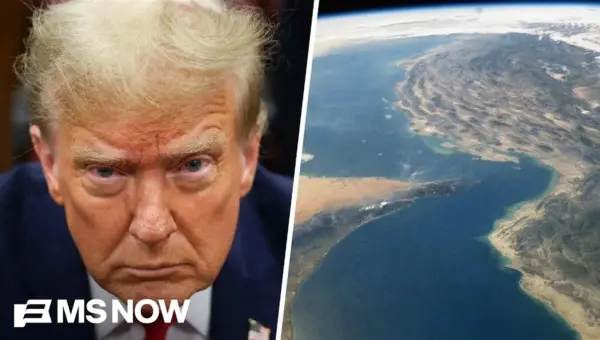
Iran Opens Key Oil Route, Stocks Jump Amid Ceasefire Hopes
Iran has reopened the Strait of Hormuz to commercial shipping, leading to a drop in oil prices and a rally in the stock market. This move comes as part of a fragile ceasefire agreement between Lebanon and Israel, with the U.S. heavily involved in brokering peace talks. The situation remains complex, with ongoing discussions about Iran's nuclear program and Hezbollah's future role.


Trump’s Iran Deal Tweets Spark Mental Fitness Debate
Amidst a flurry of social media posts declaring victory in Iran negotiations, Donald Trump's stability and the actual gains of the deal are under intense scrutiny. Critics question the substance of his claims, pointing to a return to the status quo and potential concessions to Iran.

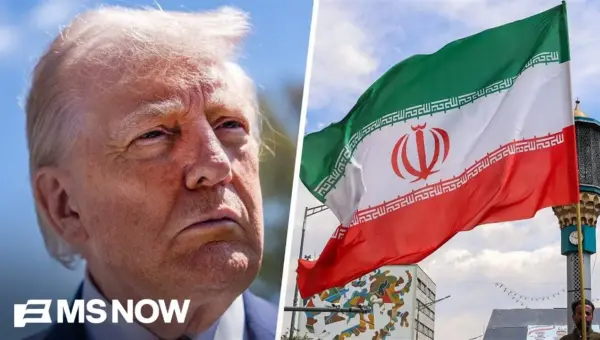
Senator: Trump Starts Wars, Claims Credit for Peace
Senator Chris Van Hollen criticized President Trump's foreign policy, likening him to an arsonist who starts fires and then claims credit for putting them out. Van Hollen argued that recent conflicts, including the one involving Iran and the Strait of Hormuz, have cost lives and billions of dollars without a clear endgame or definition of success. He called for ending these "wars of choice" and highlighted the fragility of recent ceasefires.