US Naval Blockade Forces Iran to Negotiate
The U.S. is using a naval blockade to force Iran to negotiate, targeting oil tankers to disrupt Tehran's revenue. This strategy aims to secure freedom of navigation through the Strait of Hormuz and prevent Iran from developing nuclear weapons. Investors should watch regional stability and oil prices.

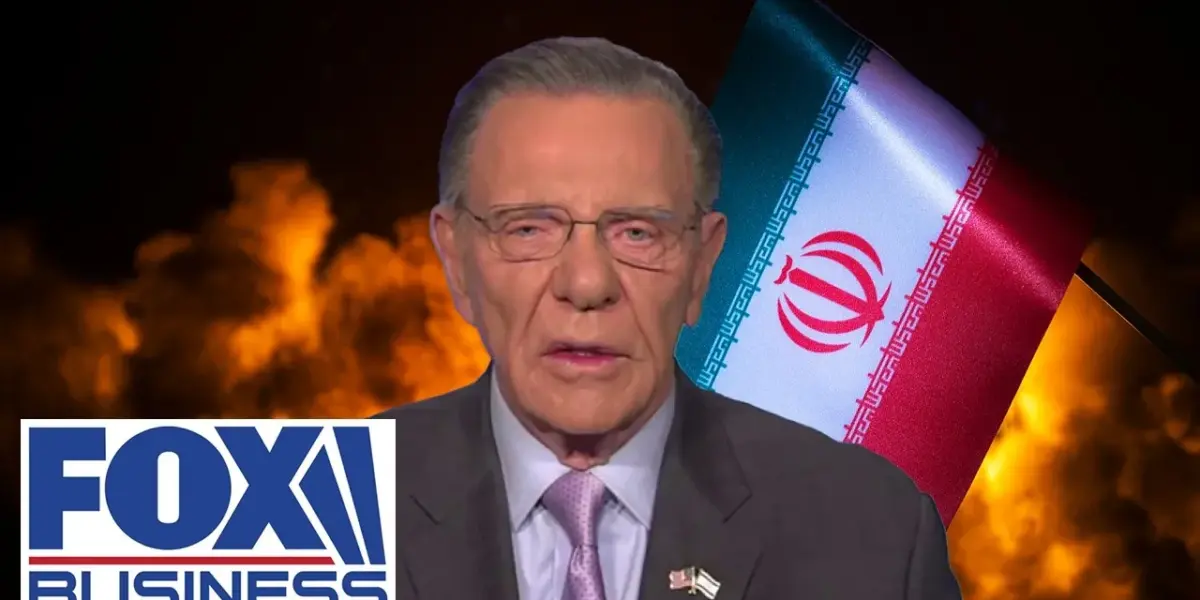
US Naval Blockade Forces Iran to Negotiate
The United States is employing a strategic naval blockade to pressure Iran into serious negotiations, a move that analysts believe will force Tehran to the bargaining table. President Trump has signaled confidence that a deal is achievable, with a second round of talks potentially happening soon. A current two-week cease-fire in the region is set to expire on April 21st, adding urgency to the diplomatic efforts.
How the Blockade Works
The naval operation is not a traditional blockade of Iranian ports. Instead, it targets oil tankers intending to pick up Iranian oil. These ships are intercepted in the Arabian Sea, south of Iranian ports, and instructed to park in the Gulf of Oman. If a tanker refuses, U.S. forces will board it to ensure compliance. Ships heading from Iranian ports toward the Strait of Hormuz are also warned via radio to stop and turn around if they are transporting Iranian oil. Vessels carrying other goods are generally allowed to pass, but those continuing towards the Strait may be boarded in the Gulf of Oman and directed where to park.
Phase Two: Ensuring Freedom of Navigation
The next phase of the operation, referred to as Phase Two, will test whether non-Iranian ships feel secure enough to navigate the waterways. If intimidation by Iran persists, the U.S. is prepared to implement more aggressive measures. This includes clearing the Strait of Hormuz and opening alternative shipping channels. The goal is to ensure that merchant vessels can move freely without fear of attack from Iran. The U.S. plans to initially manage these operations and eventually transfer responsibility to allied nations.
Iran’s Limited Options
General Jack Keane, a senior strategic analyst, believes Iran has very few bargaining chips. He states that Iran cannot expect to have nuclear weapons without any leverage. The current strategy is seen as a reversal from kinetic (military) to economic warfare. The success of the blockade is intended to remove Iran’s control over the Strait of Hormuz, which is a crucial chokepoint for global oil transport. For a deal to be struck, Iran must relinquish this control entirely.
Concerns About Regional Escalation
There are concerns that Iran might retaliate by targeting other waterways, such as those relied upon by Saudi Arabia in the Red Sea. The Houthis, a group supported by Iran, have been mentioned as potential actors in such a scenario. However, their recent effectiveness has been limited. General Keane warns that if the Houthis become involved, the U.S. will respond forcefully, leading to their significant losses and a reduction in their capabilities. This threat is seen as a deterrent keeping them from engaging.
Russia and China’s Role
The United States remains wary of the collaboration between Russia and China, viewing them as partners aiding each other. This support extends to Iran, with China reportedly financing a significant portion of Iran’s oil exports and Russia providing other forms of assistance. The U.S. has stated it will not allow Russia to take Iran’s enriched uranium as part of a deal. Instead, American forces intend to secure and remove any enriched uranium from Iran themselves, preventing Tehran from possessing it or enriching it further. This approach contrasts with the Obama administration’s policy, which allowed for higher enrichment levels, bringing Iran closer to nuclear weapons capability.
What Investors Should Know
The ongoing diplomatic and economic pressure on Iran, particularly the naval blockade, aims to secure a favorable deal for the U.S. Investors should monitor developments in the Strait of Hormuz and the broader Persian Gulf region. Any escalation or de-escalation in tensions could impact oil prices and shipping insurance costs. The successful implementation of the blockade and the subsequent negotiations will be key indicators of future stability in the region. The U.S. commitment to preventing Iran from obtaining nuclear weapons remains a central theme, influencing its diplomatic and military actions.
Source: Gen Jack Keane: We will POUND them (YouTube)

Related Articles
Trump Ultimatum: No Deal Without Nuclear Ban
President Trump has issued an ultimatum in Iran negotiations, stating no deal will be reached if Iran pursues nuclear weapons. Meanwhile, domestic policy debates continue over DHS funding, with a reconciliation process being considered for various legislative items. Positive economic news includes a significant rise in average tax refunds, boosting consumer spending.

Iran’s Bold Move Exposes US Weakness in Persian Gulf
A Chinese tanker's easy passage through a U.S. blockade and a U.S. aircraft carrier's lengthy detour raise questions about American influence in the Persian Gulf. As global alliances shift, the effectiveness of U.S. foreign policy is under scrutiny.


US Oil Sanctions on Iran Spark Global Price Fears
New U.S. sanctions on Iran are drawing sharp criticism from China and sparking fears of higher global oil prices. While intended to pressure Iran, analysts suggest the measures could inadvertently disrupt supply and increase costs worldwide. The situation unfolds amidst ongoing ceasefire talks and broader geopolitical tensions.