Trump Claims Credit for Ceasefire He Helped Create
Former President Donald Trump is claiming credit for brokering ceasefires in Lebanon and Iran, but critics argue his policies fueled these conflicts. Analyst Chris Hayes describes this as Trump's tendency to create the 'worst possible sustainable equilibrium.' The situations in both countries have led to significant loss of life and widespread instability, with lasting economic consequences.

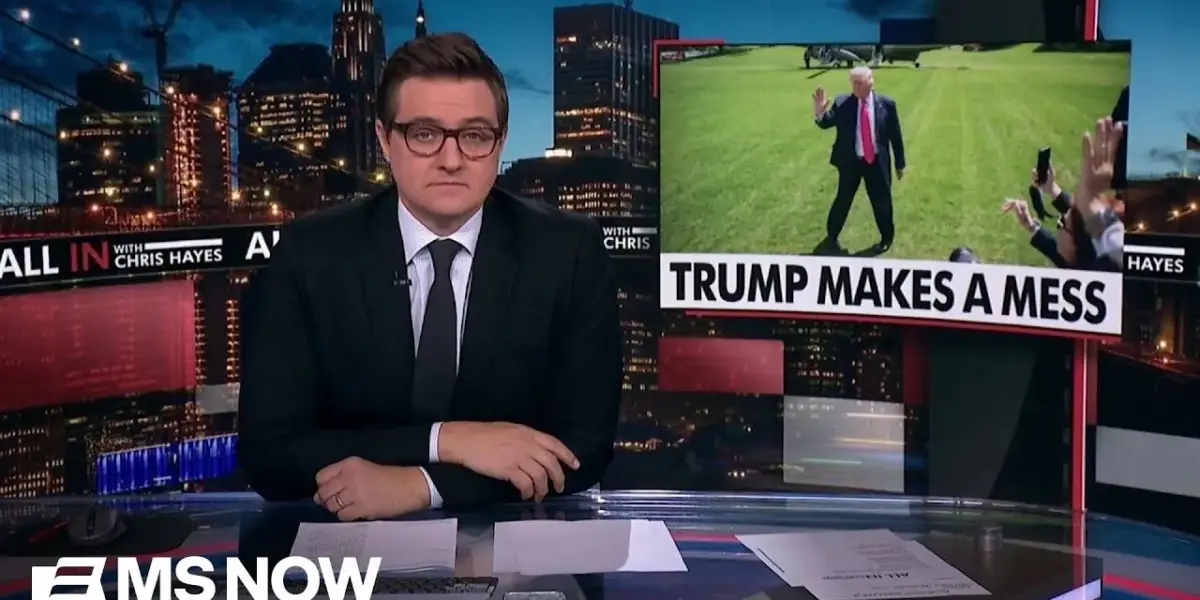
Trump Boasts of Resolving Conflicts He Fueled
Former President Donald Trump is claiming credit for brokering a ceasefire between Israel and Lebanon, as well as a de-escalation in the conflict with Iran. However, critics argue that Trump’s actions and policies are the very reasons these conflicts escalated in the first place. This pattern, according to analyst Chris Hayes, is Trump’s consistent ability to create the “worst possible sustainable equilibrium.” This means he makes situations as bad as they can get without causing a complete societal breakdown or a crisis that would remove him from power.
Lebanon Conflict: A Ceasefire Born from Crisis
Trump recently announced on social media that he had productive talks with Lebanese President Joseph Awun and Israeli Prime Minister Benjamin Netanyahu. He stated that both leaders agreed to a 10-day ceasefire starting at 5 p.m., calling it his tenth war resolution. While a ceasefire is a positive development, the situation in Lebanon is dire.
Israel used the conflict with Iran as an opportunity to expand its military actions into Lebanon. Over 2,000 people have been killed, and at least a million have been displaced. Approximately 15% of Lebanon is now under Israeli occupation, with no guarantee of troop withdrawal even during the ceasefire.
“The region is indisputably less stable than it was three months ago, and there’s lots of people who’ve died. Everyone’s going to be worse off, is worse us off. And Donald Trump wants credit for leaving things worse than he found them.”
Iran Conflict: Thousands Dead, Stability Shattered
The situation with Iran follows a similar pattern. After months of fighting, Trump announced a ceasefire, aided by Pakistan. This came only after nearly 4,000 Iranians, hundreds of schoolchildren, and more than a dozen American service members lost their lives.
The conflict has left Iran in a state of deep instability, weakening moderate political forces and empowering hardliners. For instance, Qasem Soleimani, the Quds Force leader assassinated during Trump’s first term, had previously resigned rather than serve under a new national security chief, highlighting internal political shifts.
Trump’s Claims vs. Reality on Iran’s Nuclear Program
Despite the widespread death and destruction, Trump claims the relationship with Iran is good and that a deal is likely. He asserts that bombing and a strong blockade have led to better relations with the new Iranian leadership, who he describes as different from those previously in power. Trump also claims he has ended any possibility of Iran obtaining a nuclear weapon, framing it as a dispute with Pope Francis.
However, experts suggest the current Iranian regime may be more determined to develop nuclear weapons than before the conflict began. The Joint Comprehensive Plan of Action, an international agreement under the Obama administration that prevented Iran from enriching uranium beyond a certain level, was withdrawn by Trump.
Economic Fallout: High Gas Prices and Global Disruption
The conflict has had significant economic consequences. Iran now controls the Strait of Hormuz, a crucial chokepoint for global trade. This control has disrupted the passage of ships, leading to a surge in gas prices, with national averages topping $4 a gallon.
Energy experts warn of long-term oil shocks, and Europe is reportedly weeks away from running out of jet fuel. Trump, however, dismisses concerns about gas prices, pointing to stock market gains and claiming prices have already fallen, suggesting that the economic impact is acceptable compared to the potential threat of Iran acquiring nuclear weapons.
A Pattern of Escalation and Claimed Resolution
This cycle of escalation followed by self-proclaimed resolution is not new. During his presidency, Trump’s use of tariffs brought the economy to the brink of disaster. Warnings of canceled Christmases and port closures were widespread.
He then scaled back the tariffs just enough to increase costs for consumers and harm U.S. manufacturing and tourism without completely crashing the global economy. Similarly, during the COVID-19 pandemic, Trump’s handling of the crisis led to significant, preventable deaths and pushed the U.S. hospital system to its limits, yet he sought credit for avoiding complete collapse.
Looking Ahead: The Cycle Continues
The current ceasefires in Lebanon and Iran, while offering temporary relief, are built upon foundations of conflict and instability that critics say Trump helped create. The long-term consequences for the region and the global economy remain uncertain. The pattern suggests that while immediate catastrophe may be averted, the underlying issues are often left unresolved or even worsened, only for Trump to claim victory in managing the fallout.
Source: Hayes: Trump pushed us into the ‘worst possible sustainable equilibrium’ (YouTube)

Related Articles
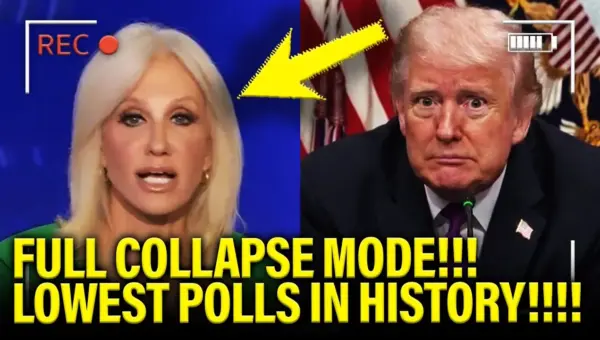
Fox News Scrambles as Trump’s Support Hits Historic Lows
Fox News faces scrutiny as Donald Trump's poll numbers reportedly plummet, leading the network to employ unusual tactics. From attacking the Pope to focusing on culture wars, the network appears to be scrambling to support Trump amidst growing controversies and declining public favor.
Trump’s War on the Pope: A Risky Gamble for Catholics
Donald Trump's recent criticism of Pope Francis risks alienating Catholic voters, a key demographic for Republicans. Meanwhile, experts describe the ongoing Middle East conflict as a "colossal disaster," with Iran consolidating influence and geopolitical alliances shifting. This dual approach appears to be a risky gamble driven by political desperation and a flawed strategy.
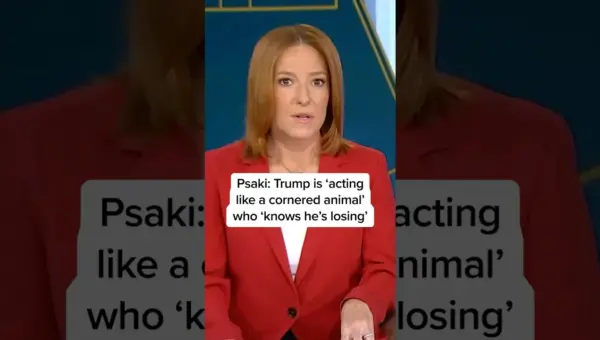
Psaki: Trump ‘Cornered Animal’ Losing Support, Polls Show
Jen Psaki has described Donald Trump's campaign behavior as that of a 'cornered animal' who 'knows he's losing.' Psaki cited recent polls showing Trump's approval ratings have fallen below 40 percent in six tracked surveys. This suggests a potential weakening of his support base and a defensive posture in his public actions.