US Tightens Grip on Iran: Blockade Continues, Troops Surge
The U.S. has initiated a naval blockade of Iranian ports, deploying thousands of additional troops to the Middle East to increase economic pressure. Meanwhile, diplomatic efforts are underway with the start of Lebanon-Israel ceasefire talks, occurring amidst significant civilian casualties and ongoing regional tensions.

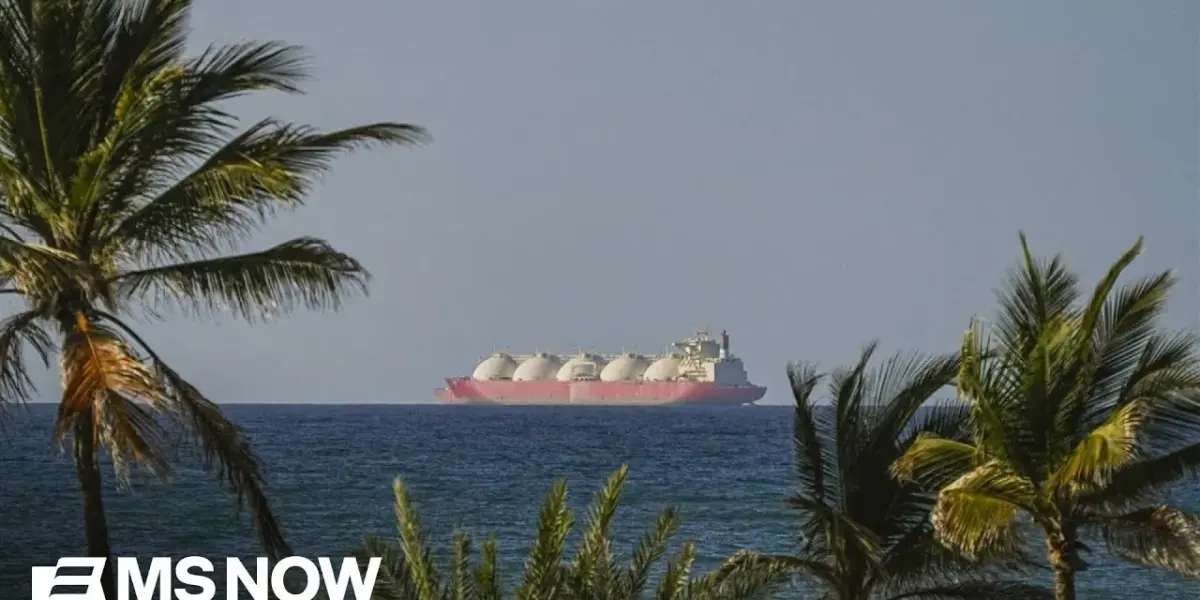
US Enforces Port Blockade, Strengthens Military Presence in Middle East
The United States military has initiated a blockade of Iranian ports, now entering its third day, as part of an ongoing effort to exert economic pressure on Tehran. U.S. Central Command reported that within the first 24 hours, six merchant vessels were directed by U.S. Forces via radio to turn around and return to Iranian ports. While specific ships and ports were not identified, the operation involves approximately 10,000 American troops, more than a dozen warships, and a variety of aircraft.
Mixed Signals Emerge Amidst Blockade Operations
Despite the Pentagon’s public display of confidence, some reports suggest that certain vessels may be testing the boundaries of the blockade. According to The New York Times, citing ship tracking data, a Chinese tanker named Rich Starry, which is under U.S. Sanctions, initially traveled eastward through a critical strait before turning back. Another ship linked to Iran also appeared to pass through the strait during the blockade period, though its exact path remained unclear as its tracking data was offline.
However, The Wall Street Journal, quoting two U.S. Officials, noted an improvement in traffic flow through the vital waterway. Over the past day, more than 20 commercial ships not connected to Iran have passed through the strait. While this number represents a fraction of pre-conflict levels, it indicates a partial recovery in maritime movement.
Thousands More Troops Deployed to the Region
In parallel with the naval actions, The Washington Post reports that the Pentagon is sending thousands of additional troops to the Middle East in the coming days. Officials speaking to the newspaper indicated this deployment is intended to push Iran toward a negotiated settlement. The Trump administration is reportedly still considering further military actions, including potential strikes or ground operations, should a ceasefire not hold.
Current and former officials suggest that if the situation escalates, an additional 6,000 troops could join the approximately 50,000 personnel already stationed in the region. These developments occur as behind-the-scenes discussions aimed at arranging in-person negotiations between the United States and Iran continue. President Trump recently indicated that direct talks could resume within the next two days, possibly in Pakistan’s capital.
Regional Allies Support Blockade Strategy
Discussions with individuals in the region reveal that while U.S. Allies may have initially been hesitant about military intervention, they now feel a commitment to see the operation through. There is a growing sense of unease, but allies are reportedly positive about the blockade strategy, which has been referred to as the “Haas Plan.” This plan, initially proposed by Richard Haas, suggests a firm stance: either allow all ships to pass freely or allow none.
The belief among allies is that the strategic dynamics have fundamentally shifted. Iran, which previously seemed to have ample time, now understands the necessity of reaching a deal. While military targets in Iran have been significantly impacted, the economic pressure is now being felt more acutely.
Iran’s ability to trade oil and generate revenue, which had improved in recent years, is now severely degraded due to the blockade and other U.S. Actions. If the United States maintains the blockade, Iran is expected to face mounting economic hardship.
Lebanon-Israel Talks Begin Amidst Regional Tensions
Beyond the actions concerning Iran, significant diplomatic activity is unfolding between Lebanon and Israel. Talks were held at the U.S. State Department, attended by the U.S. Secretary of State and ambassadors from both Lebanon and Israel. This meeting marks the first direct negotiation between the two nations since the 1980s, following Israel’s invasion of Lebanon.
The current negotiations aim to discuss a potential ceasefire. However, the circumstances are complex, with the conflict still ongoing, albeit with reduced intensity at the United States’ request.
For Lebanon, engaging in negotiations while under fire is a difficult and controversial step. Nevertheless, it is a crucial moment for Lebanon to assert its sovereignty on the regional stage, having historically been influenced by Syria and more recently by Iranian pressure.
Civilian Toll and Hezbollah’s Role in Lebanon Conflict
The conflict has resulted in significant civilian casualties in Lebanon. Reports describe days of intense bombing, with hundreds of strikes occurring in a short period across the country, many focused on Beirut. Friends and acquaintances have lost loved ones, highlighting the devastating impact on the Lebanese population, which has already endured considerable hardship.
Lebanon feels caught between Israel’s military campaign, aimed at degrading Hezbollah, and Iran’s strategic use of Hezbollah as a negotiating card. The effectiveness of Israel’s bombing campaign in weakening Hezbollah is questioned, especially given the high civilian toll. While Israel maintains that strikes target specific Hezbollah members or commanders, often operating within civilian areas or even in hotels, these actions lead to civilian deaths, which Israel terms “collateral damage.” The situation creates a difficult balance, with Lebanon caught between Israel’s military might and Hezbollah’s perceived disregard for civilian lives.
Looking Ahead: Diplomatic Challenges and Future Actions
The coming days will be critical in observing whether the increased U.S. Military presence and the blockade effectively pressure Iran towards meaningful negotiations. Simultaneously, the progress of the Lebanon-Israel talks, amidst ongoing conflict and civilian suffering, will be closely watched. The delicate balance Lebanon must strike between engaging in diplomacy and facing continued strikes remains a significant challenge.
Source: U.S. Blockade of Iranian ports underway; U.S. Sending thousands more troops to the Middle East (YouTube)

Related Articles

Israel Plans Lebanon Border Zone: A New Strategy
Israel plans to create a buffer zone in southern Lebanon by demolishing villages near the border. This move aims to remove threats from Hezbollah and establish a prolonged military presence. The strategy draws parallels to operations in Gaza and raises significant humanitarian and regional stability concerns.


Israel Expands Lebanon Invasion, Causing Widespread Destruction
Israel has significantly expanded its ground invasion into southern Lebanon, causing widespread destruction and a severe humanitarian crisis. Over a million people have fled their homes, and civilian casualties continue to rise. The conflict highlights the complex geopolitical situation involving Hezbollah and the struggling Lebanese government.


Lebanon Border Tensions Rise: Is Southern Lebanon the Next Gaza?
Concerns are rising that southern Lebanon may become the next Gaza due to Israeli military plans to establish a buffer zone. Reports indicate destruction of infrastructure and homes, impacting civilians and potentially preventing their return.