US Blockade Cripples Iran: A Strategy to Force Regime Change?
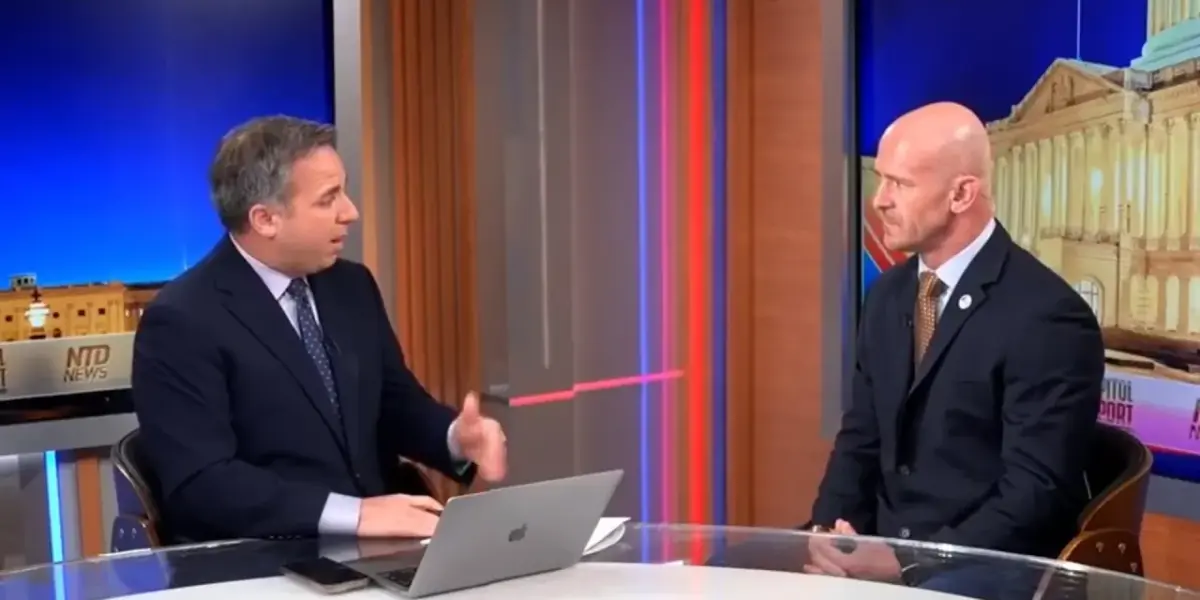
A retired Navy SEAL explains how the US naval blockade is crippling Iran's economy, acting as a key tool in "coercive diplomacy." The strategy aims to force behavioral change by cutting off revenue. The discussion also touches on China's role and the complex regional conflicts the US is trying to address.

US Naval Power Shuts Down Iranian Ports
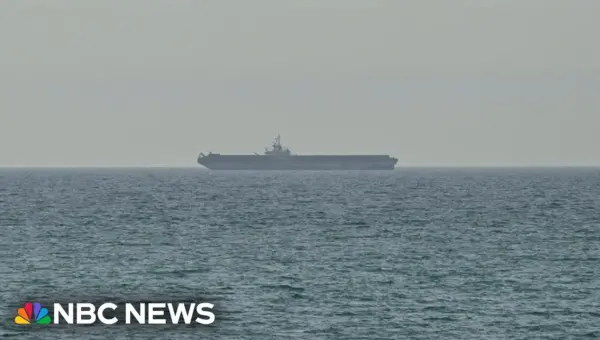
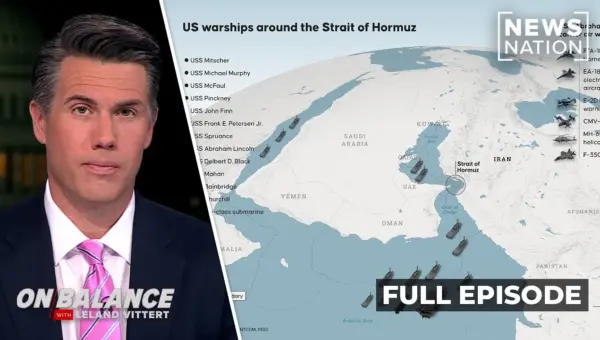
The United States is using its powerful navy to block ships from reaching Iran’s ports. This strategy, involving about 10,000 sailors, Marines, and airmen, along with many warships and aircraft, aims to put economic pressure on Iran. The Strait of Hormuz, a key shipping lane, is being closely monitored. This action is a clear display of American naval strength, designed to force Iran to change its behavior.
Economic Pressure Is the Goal
Retired Navy SEAL officer Mike Sorelli explained that this blockade is like cutting off Iran’s financial lifeline. He compared regimes to businesses, stating that both need money to survive, not just ideas. Reports suggest Iran’s attitude is changing because their economy is suffering. Their currency has been falling, and this blockade is seen as a major blow.
Protests Fueled by Economic Hardship
Sorelli pointed out that past protests in Iran were not just about political ideas. They were also driven by shopkeepers and ordinary people struggling with economic problems. The current blockade is making things even harder for the Iranian people and the regime. This economic strangulation is making it difficult for the country to function.
Coercive Diplomacy and a Deadline
The goal is to use this pressure for what’s called “coercive diplomacy.” The hope is that Iran will come to the negotiating table with a more reasonable approach. With a ceasefire set to expire soon, there’s a limited window for change. The US wants to see Iran stop its aggressive actions and not pursue nuclear weapons. If Iran doesn’t change its behavior, Sorelli believes the US should be ready to resume strikes.
China’s Role in the Equation
The conversation also touched on China’s involvement. Sorelli sees China as an “awkward third party” in this situation. He believes the blockade is hurting China’s ability to buy cheap oil, which affects its manufacturing. China, he suggests, wants stable trade routes and secure energy. China may also be hesitant to fully support Iran’s government, which it views as problematic on the global stage. Sorelli sees China sending delegates to meet with the US as a positive step towards dialogue.
“The fact that they are sending delegates to meet with Washington, I see that is a great thing. Dialogue is good and at the end of the day, we know we can’t exist without China and China can’t exist without the US.”
Senator Graham’s Stance
Senator Lindsey Graham’s comments were also discussed. He believes the US is offering Iran a chance to exist as a nation, but not as a state sponsor of terrorism. Graham urged the president to stick to a deadline and “finish the job” if a deal isn’t reached. This highlights the strong stance some in the US government are taking.
A Strategy of “3D Chess”?
Sorelli praised the current administration’s approach, calling it “3D chess” while others are playing “checkers.” He believes the military has performed exceptionally well, both in strikes against Iran and in rescue operations. He argues that the American people should support the president’s strategy, even if it means temporary economic pain like higher gas prices, for a better future.
Addressing Complex Regional Conflicts
The discussion also covered complex conflicts in the Middle East, like the one involving Hezbollah, Israel, and Lebanon. Secretary Rubio’s talks aimed to end Hezbollah’s influence. Sorelli acknowledged that untangling these historical issues will take a long time. He noted that both Lebanon and Israel see Hezbollah as a problem. However, he fears Hezbollah might fight fiercely, potentially causing a civil war in Lebanon.
The Future of Iran and its Proxies
If Iran’s current regime were to fall, Sorelli questioned whether Hezbollah could survive without Iranian funding. He believes that even with influence within the Lebanese government, Hezbollah would be much weaker and harder to sustain if Iran’s financial support was cut off. This suggests that weakening Iran’s ability to fund groups like Hezbollah is a key part of the strategy.
Why This Matters
This analysis highlights how economic pressure, through naval blockades, is being used as a powerful tool in international diplomacy. It shows the complex interplay between military action, economic impact, and political outcomes. The situation also brings to light the significant role of global powers like China and the deep-rooted conflicts in regions like the Middle East. The potential for regime change or significant shifts in Iran’s behavior due to economic hardship is a critical development to watch.
Implications and Future Outlook
The effectiveness of the US blockade could set a precedent for future diplomatic strategies. If Iran’s economy continues to suffer, it might lead to internal unrest or a willingness to negotiate. The involvement of China suggests a need for careful management of US-China relations during such actions. The long-term impact on regional stability, particularly concerning groups like Hezbollah, remains a significant concern. The world is watching to see if this strategy leads to lasting peace or further conflict.
Historical Context
The relationship between the US and Iran has been tense for decades, particularly since the 1979 Iranian Revolution. Past US administrations have used various forms of pressure, including sanctions. The current blockade represents a more direct and visible form of economic coercion. The comparison to the Iraq War is seen by some as a false analogy, suggesting this strategy is different in its aims and execution.
Source: US Should Start Strikes Against Iran Again: Ret. Navy SEAL Officer (YouTube)

Related Articles
Middle East Peace Talks Loom Amid Blockade, Vets Weigh In
New peace talks between the U.S. and Iran are anticipated this week amid a tightening naval blockade. Meanwhile, Israel and Lebanon held historic direct talks, while veterans shared insights on the Iran conflict. Separately, former Congressman Eric Swalwell faces a new criminal investigation, and a heroic Oklahoma principal is praised for stopping a school shooting.
Iran Tensions Rise as US Blockades Ports
The US has imposed a naval blockade on Iran to cut off its funding, a move supported by most Americans in principle but not in practice due to economic costs. Meanwhile, internal Democratic Party struggles and a major scandal in California's gubernatorial race add to the political turbulence.

US Tightens Grip on Iran: Blockade Continues, Troops Surge
The U.S. has initiated a naval blockade of Iranian ports, deploying thousands of additional troops to the Middle East to increase economic pressure. Meanwhile, diplomatic efforts are underway with the start of Lebanon-Israel ceasefire talks, occurring amidst significant civilian casualties and ongoing regional tensions.