Lebanon Border Tensions Rise: Is Southern Lebanon the Next Gaza?
Concerns are rising that southern Lebanon may become the next Gaza due to Israeli military plans to establish a buffer zone. Reports indicate destruction of infrastructure and homes, impacting civilians and potentially preventing their return.


Concerns are mounting that southern Lebanon could become the next flashpoint in the ongoing regional conflict, drawing parallels to the devastation seen in Gaza. Israeli politicians and some analysts are raising alarms, with Israeli Defense Minister Israel Katz recently stating the military intends to occupy a significant portion of southern Lebanon. The stated goal is to establish a buffer zone extending 30 kilometers north of Israel’s border, reaching the Leani River.
Buffer Zone Plan Sparks Gaza Comparisons
This proposed buffer zone would place nearly a tenth of Lebanese territory under the control of the Israel Defense Forces (IDF). The comparison to Gaza is striking, where the Israeli military has been accused of leveling neighborhoods, claiming it’s a necessary measure to dismantle Hamas tunnels.
In Gaza, a yellow line demarcates areas controlled by Israel, a line that reports suggest Israel has been expanding, now encompassing 58% of the Gaza Strip. This expansion and the destruction witnessed in Gaza have fueled worries that a similar fate awaits the border region of southern Lebanon.
Hezbollah Threat and Civilian Impact
Israeli officials claim the buffer zone is intended to prevent Hezbollah from operating near the Israeli border. “Israel’s aim behind establishing the so-called buffer zone is to prevent Hezbollah from entering areas south of Leani river in Lebanon,” explained one analyst.
The concern is that Hezbollah’s presence in these areas could enable the launch of short-range missiles capable of reaching northern Israel. This strategic consideration appears to be driving some of Israel’s actions along the border.
Infrastructure Damage and Civilian Displacement
In pursuit of this security objective, Israel has reportedly destroyed bridges connecting southern Lebanon to other parts of the country. The military asserts these bridges were used by Hezbollah to move fighters and weapons. However, reports suggest these routes are primarily used by civilians.
“The reality is these bridges are mainly used by civilians and in certain cases I would say it’s highly unlikely that Hezbollah is even using those particular bridges because they are very exposed and it wouldn’t make sense militarily for Hezbollah to be using them in that way,” stated one source familiar with the situation. This raises questions about the military necessity versus the impact on civilian life and movement.
Targeting Homes and Critical Infrastructure
Beyond transport networks, Defense Minister Katz has also reportedly ordered the destruction of houses in Lebanese villages close to the border. Human rights groups are also accusing Israel of targeting essential infrastructure, including water and power systems.
According to reports, Israel’s intention behind destroying this infrastructure is to prevent displaced civilians from returning to their homes in southern Lebanon after fleeing the conflict. This tactic, if confirmed, would have severe long-term consequences for the region’s population and its ability to recover.
Broader Regional Concerns
The escalating tensions and destructive actions in southern Lebanon are viewed within a broader context of regional instability. The conflict between Israel and Hezbollah has a long history, and any significant escalation could have far-reaching implications.
The potential for a wider war, drawing in other regional actors, remains a serious concern for international observers. The humanitarian cost of such a conflict, particularly for the civilian populations of both Lebanon and Israel, would be immense.
Looking Ahead
As the situation develops, international attention will focus on whether diplomatic efforts can de-escalate the tensions and prevent further destruction. The upcoming days will be critical in determining if the current trajectory leads to a wider conflict or if a path toward de-escalation can be found, particularly concerning the humanitarian impact on civilians in southern Lebanon.
Source: Is southern Lebanon the next Gaza? | DW News (YouTube)

Related Articles
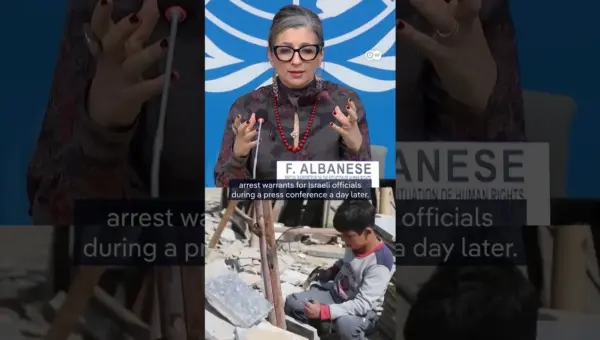
UN Expert: Israel Uses Torture as State Policy Against Palestinians
A UN expert has accused Israel of turning torture into state policy against Palestinians following the October 7th attacks. Francesca Albanese's report details widespread allegations of brutal treatment and deprivation. Israel has vehemently denied the claims, calling the report politically motivated.


Pakistan’s Tightrope Walk: Caught Between Iran and Saudi Arabia
Pakistan is navigating a complex diplomatic tightrope as conflict intensifies in Iran. Deep historical and cultural ties with Iran, including a significant Shia population, fuel strong public solidarity with Tehran. However, Pakistan also shares a crucial mutual defense pact with Saudi Arabia, which has been targeted by Iran.
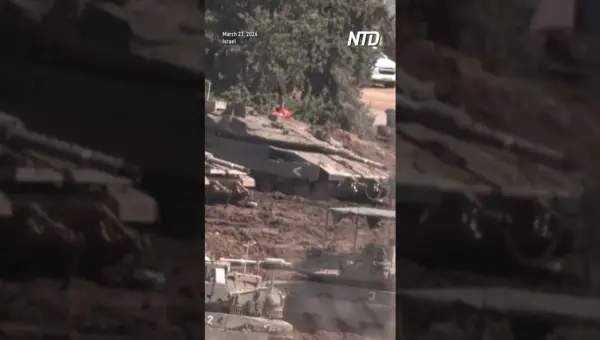
Israel Plans Buffer Zone Deep Into Lebanon
Israel is planning to create a buffer zone extending to the Litani River in southern Lebanon following recent strikes. This move aims to enhance security but raises concerns about regional stability and potential conflict escalation.