Ex-CIA Chief Panetta Calls Trump’s Iran Tactics ‘Nuts’
Former Defense Secretary Leon Panetta described President Trump's public threats and negotiation tactics with Iran as "nuts." He argued that sensitive international talks require privacy and trust, not public pronouncements. Panetta also criticized Trump's personal attacks on Pope Francis, calling the behavior "strange beyond belief" and damaging to U.S. credibility.

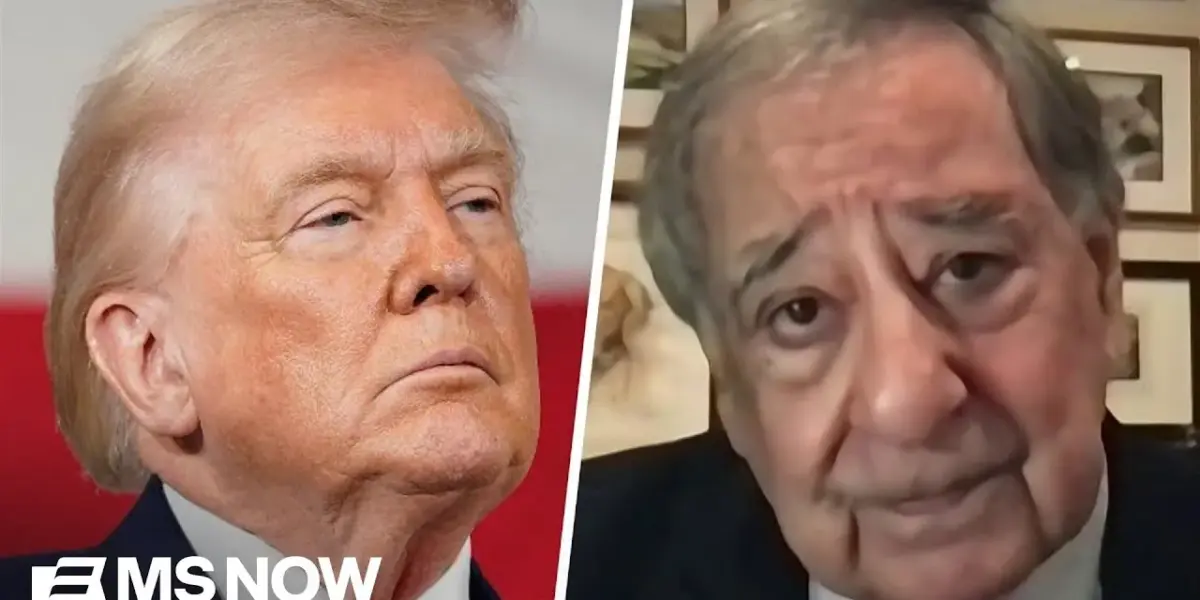
Panetta Criticizes Public Diplomacy in Iran Negotiations
Former Defense Secretary and CIA Director Leon Panetta has strongly criticized the public nature of President Trump’s approach to negotiating with Iran, calling the strategy “nuts.” Panetta, a veteran of over 50 years in public service, believes that sensitive international negotiations cannot be conducted effectively in the public eye.
The current situation with Iran involves what Panetta describes as a “blockade on top of a blockade” aimed at preventing oil from reaching global markets through the Strait of Hormuz. This action, he explained, guarantees continued economic turmoil and rising fuel prices worldwide. Panetta expressed skepticism about the effectiveness of threats and deadlines in resolving such complex issues.
“How can you have negotiations that are very sensitive and very important to trying to bring this war to a conclusion, and have it play out in public?” Panetta questioned. He emphasized that secret discussions are crucial for building trust between parties, even adversaries. The public airing of offers, counter-offers, and potential suspension lengths, he argued, only guarantees failure.
Panetta’s comments came in response to the Trump administration’s public pronouncements and social media posts regarding Iran. He noted that when such details become public, it undermines the possibility of a trusting relationship. “They’re going to assume that no matter what they say or what they do, that suddenly it’s going to go public,” he stated, adding that this approach is simply not viable for resolving sensitive international disputes.
Doubts Cast on Public Deal-Making
Panetta also addressed remarks made by Senator J.D. Vance, who suggested that the failure to reach a deal with Iran stemmed from an inability to agree on terms behind closed doors. Panetta found this explanation unhelpful, drawing on his own negotiation experience.
“From my own experience, when you’re negotiating and you’re exchanging thoughts and keep a certain amount of confidence within the party so that they know they can kind of trust each other in terms of what they’re saying,” Panetta explained. He reiterated that making these sensitive discussions public fuels speculation and erodes the trust needed for successful diplomacy.
He believes that attempting to negotiate a lasting agreement on critical issues through public media is a flawed strategy. “That’s just not going to work,” Panetta asserted, particularly in the midst of an ongoing conflict.
Criticism of Trump’s Remarks on the Pope
Beyond the Iran negotiations, Panetta also voiced strong disapproval of President Trump’s public dispute with Pope Francis. The President had publicly criticized the Pope’s foreign policy and suggested the Pope would not be Pope without his influence. Trump also shared an AI-generated image depicting himself as a Christ-like figure healing the sick.
Panetta, a Catholic himself, described the situation as “strange beyond belief” and “unheard of” in his extensive career. He stated he has “never seen anything like this” in over 50 years of public life. Criticizing a Pope and portraying oneself in a Christ-like manner is deeply offensive, especially to people of faith who believe religion should remain private and apolitical.
“I’m very offended that the president would openly criticize the Pope,” Panetta said. “But more importantly, I think people of faith believe that religion is deeply private and deeply personal and should not be political and should not be used as an excuse for war.”
Loss of Credibility and Leadership
Panetta concluded that such actions send a damaging message globally. They suggest that the United States, and particularly its President, may not be credible in their public statements. He warned that losing credibility severely impairs a leader’s ability to govern effectively.
“If you lose credibility as a president, you’ve lost the ability to lead this country,” Panetta stated firmly. His remarks highlight deep concerns about the impact of public diplomacy and personal conduct on international relations and national leadership.
The ongoing tensions with Iran and the unusual public exchanges between world leaders underscore the volatile nature of current global politics. Panetta’s strong critique suggests a growing unease among foreign policy experts regarding the administration’s diplomatic strategies and their potential consequences.
Source: 'I think it's nuts': Leon Panetta reacts to Trump's public threats against Iran (YouTube)

Related Articles
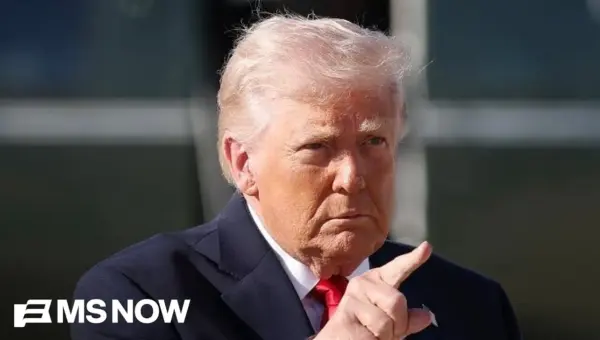
Trump’s Erratic Actions Spark New Fitness-to-Lead Debate
Concerns about Donald Trump's psychological fitness to lead have resurfaced following a series of erratic statements and actions, including threats against Iran and controversial social media posts. While defenders claim these are strategic maneuvers, critics worry about the potential dangers of such volatility, especially during times of international conflict. The debate has even led to discussions about the 25th Amendment, though its practical application remains unlikely.
Nation’s Focus Shifts: Birthday Bash Overshadows Failed Iran Talks
While Vice President JD Vance announced the failure of US-Iran talks, the White House rapid response team focused on promoting Donald Trump's 80th birthday party. This decision raises questions about the priorities and use of public resources during critical international moments.
Trump’s Iran Strategy Crumbles Under Pressure
Donald Trump's aggressive stance on Iran, including a threatened naval blockade, has reportedly backfired. Critics argue that Iran has mocked U.S. efforts and is now in a stronger negotiating position, potentially securing a deal more favorable than previous agreements. The situation raises broader concerns about U.S. foreign policy effectiveness and global standing.