Iran’s Drone Strikes Escalate; US Bombers Mobilize
Iran has launched new drone attacks on Kuwait, escalating regional tensions as the U.S. enforces a blockade in the Strait of Hormuz. U.S. bombers are being repositioned, signaling military readiness. Despite ceasefire efforts, both sides are reportedly replenishing weapon stockpiles, while diplomatic talks continue.

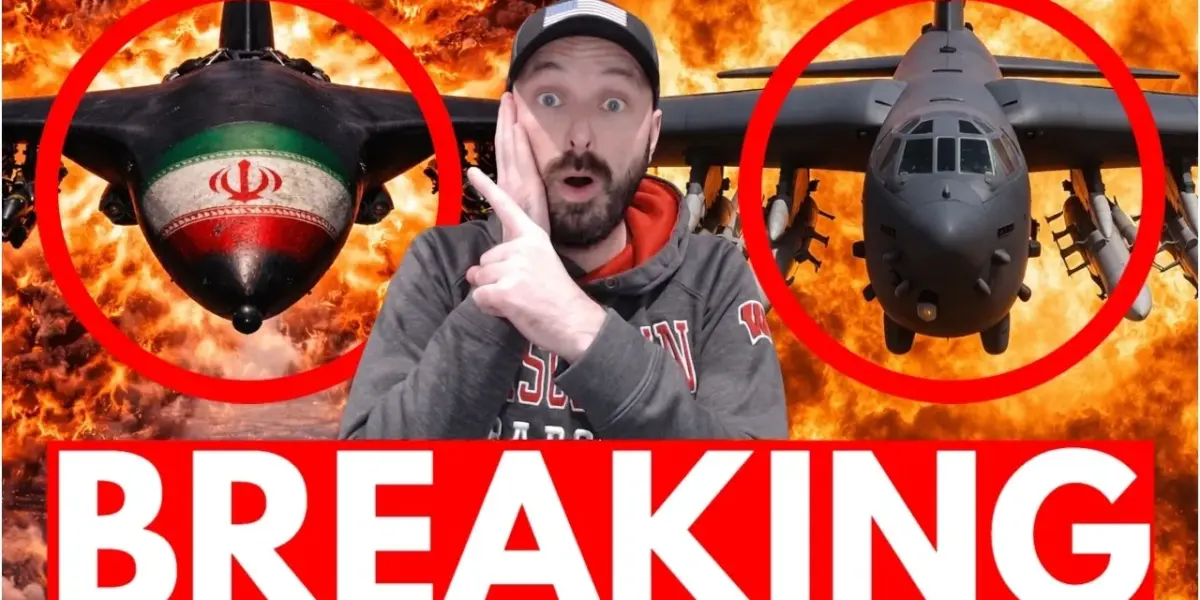
Iran Launches New Drone Attacks Amidst Heightened Tensions
In a significant escalation of regional conflict, Iran has launched a new wave of attacks, targeting Kuwait with seven one-way drones. This news comes as the United States enforces a blockade against ships leaving Iranian ports, a move that involves interdiction and boarding by the U.S. Navy. The situation is described as becoming increasingly tense and volatile.
Adding to the gravity of the situation, reports indicate that U.S. Bombers are being repositioned. This suggests a readiness to respond with further strikes should President Trump authorize such action. President Trump has also made recent comments regarding the ongoing developments, highlighting the seriousness of the current geopolitical climate.
Kuwait Under Fire Despite Ceasefire
The Kuwaiti military officially announced the drone attacks, which occurred within a 24-hour period. This event is particularly noteworthy as it happens nearly a week after a ceasefire was established. The drones were launched despite the ongoing efforts to de-escalate tensions and achieve peace.
Details regarding the exact timing and origin of the drone launches remain unclear. It is unknown whether the drones were fired from mainland Iran or from Iranian-backed militias operating in Iraq.
However, the distinction is considered minor, as these militias are understood to act under direct orders from Iran. This action by Iran highlights that the conflict is far from over, despite claims of a ceasefire.
U.S. Military Readies for Potential Escalation
While the United States has not initiated any attacks since the previous Tuesday, intelligence suggests a significant military buildup. Sources indicate that U.S. B-52 bombers are being moved and prepared. These bombers, capable of carrying substantial payloads, are being positioned in anticipation of potential strikes ordered by President Trump.
This move echoes past events where bombers were prepared for strikes but the mission was called off at the last minute. The repositioning of these B-52s signals a clear preparedness for offensive action if deemed necessary. The continuous flow of supplies, equipment, and air defense systems into the Middle East further emphasizes the heightened state of alert.
IRGC’s Growing Influence and Unverified Threats
Within Iran, the Islamic Revolutionary Guard Corps (IRGC) appears to be consolidating power. Hardline elements are reportedly in full control of the country’s leadership. A spokesperson for the IRGC has issued a warning, stating that Iran will reveal unknown military capabilities if the conflict persists.
However, these threats are met with skepticism. Iran has repeatedly spoken of undisclosed weapons since the conflict began.
While Iran did launch ballistic missiles that exceeded their known range, there is little evidence of other advanced weaponry being deployed, especially during critical moments when their military infrastructure was targeted. This raises questions about the actual existence of these claimed secret weapons or if the IRGC is using rhetoric to project strength.
Stockpiling and Replenishment on Both Sides
Despite the ceasefire, both Iran and its adversaries are actively replenishing their military resources. The U.S. Military has reportedly used its entire stockpile of long-range ballistic missiles, with replacements now en route. This period of relative quiet may be serving as an opportunity for both sides to rearm and resupply.
Simultaneously, Russia and China are reportedly working to provide Iran with new missiles and increased firepower. This suggests an ongoing arms race, where both sides are preparing for a potential resurgence of hostilities. The presence of assets like the USS Tripoli, carrying thousands of Marines and F-35 fighter jets, further indicates a strategy of readiness and deterrence.
International Stance and Diplomatic Efforts
In a significant development, NATO allies have stated they will not participate in operations in the Strait of Hormuz. This indicates that the alliance is choosing to remain neutral in the current naval blockade efforts. The Strait of Hormuz remains a critical chokepoint for global oil transit, making its security a matter of international concern.
Meanwhile, diplomatic channels appear to remain open. Reports suggest that engagement between U.S. And Iranian delegations has continued, even after recent peace talks in Islamabad did not yield immediate results. Officials have indicated some progress in efforts to reach an agreement, suggesting that a diplomatic solution is still being pursued alongside military posturing.
President Trump’s Remarks and Future Outlook
President Trump has reiterated his stance on the conflict, stating that his timeline for resolution remains unchanged. He emphasized that Iran is currently doing no business, a direct result of the blockade. He also highlighted the significant damage inflicted upon Iran’s military capabilities, including its navy, air force, and radar systems, as well as the elimination of key leaders.
The situation remains fluid, with Iran continuing drone attacks and the U.S. Repositioning strategic assets. The ongoing replenishment of weapons by both sides, coupled with Iran’s veiled threats of new military capabilities, suggests that the period of calm may be temporary. The international community watches closely as diplomatic efforts continue amidst a backdrop of military readiness and the potential for renewed conflict.
Why This Matters
The ongoing conflict and heightened military activity in the Middle East carry significant global implications. The Strait of Hormuz is a vital waterway for international oil trade, and any disruption can lead to significant economic consequences worldwide. The potential for a wider conflict could destabilize the region further, impacting global security.
The actions of Iran, including drone attacks and saber-rattling, challenge regional stability and international norms. The U.S. Response, involving military buildup and blockades, signals a firm stance but also risks further escalation. The involvement of other global powers, such as Russia and China, in supplying Iran, adds another layer of complexity to the geopolitical landscape.
Historical Context and Background
Tensions between Iran and the United States have a long history, marked by political disputes, economic sanctions, and military standoffs. The current situation can be seen as an extension of these long-standing issues, exacerbated by regional power dynamics and the presence of proxy forces.
The strategic importance of the Strait of Hormuz has been a recurring factor in past conflicts and crises in the region. Both Iran and international powers have historically sought to control or influence this waterway. The current blockade by the U.S. Is a direct attempt to exert pressure on Iran, while Iran’s responses, like drone attacks, are aimed at retaliating and signaling defiance.
Implications, Trends, and Future Outlook
The current trend indicates a dual approach of military posturing and ongoing diplomatic engagement. While the U.S. Is preparing for potential military action, peace talks suggest a desire to avoid full-scale war. However, the actions of Iran, particularly the continued drone attacks, undermine these efforts and raise concerns about the sincerity of their commitment to de-escalation.
The future outlook remains uncertain. The possibility of renewed hostilities is significant, especially if diplomatic channels fail or if either side perceives a strategic advantage.
The involvement of external powers like Russia and China in supporting Iran could further complicate resolution efforts. The world watches to see if the current ceasefire holds or if the region plunges back into open conflict, with potentially far-reaching consequences.
Source: Iran LAUNCHES New Attack – U.S. Bombers ON THE MOVE (YouTube)

Related Articles


Japan Pledges Support Amid Global Security Tensions
Japan's Prime Minister Sanae Takaichi met with former President Donald Trump to discuss global security and economic cooperation. Key topics included Iran's nuclear ambitions, stabilizing energy markets, and strengthening the Japan-US alliance. Both leaders emphasized shared concerns and a commitment to working together on international challenges.

Oil Prices Spike After Attacks on Energy Sites
Oil prices surged this week following a wave of U.S. airstrikes in Iran and attacks on energy sites in Qatar. Vice President Vance called the price increases a 'temporary blip,' while intelligence briefings revealed disagreements over the immediacy of the threat from Iran. Military actions targeted missile facilities along the Strait of Hormuz.


North Korea Eyes Iran Attack: A Nuclear Deterrent Boost
An attack on Iran may be reinforcing North Korea's belief that nuclear weapons are essential for its survival. The perceived failure of allies to fully support Iran, combined with South Korea's preemptive strike capabilities, strengthens Pyongyang's resolve to maintain its arsenal. This highlights the challenges in future denuclearization efforts.