AI Boom Fuels Data Center Surge, Power Demand Soars
The AI revolution is driving an unprecedented surge in data center construction, with US projects valued at $40 billion and energy consumption set to double by 2030. This demand is causing electricity prices to soar and positioning energy as the next critical global commodity. Investors are increasingly looking towards power generation and infrastructure as key opportunities.


AI Boom Fuels Data Center Surge, Power Demand Soars
The rapid expansion of artificial intelligence is triggering an unprecedented boom in data center construction, fundamentally reshaping the global economic landscape and placing immense pressure on energy infrastructure. While the excitement around AI’s potential is widespread, the scale of the underlying physical build-out, particularly in the United States, is a critical development often underestimated by the market.
Data Center Construction Reaches New Heights
The United States currently boasts 5,426 data centers, a figure that exceeds the combined total of other major global economies. More strikingly, $40 billion worth of US data centers are under construction, representing a staggering 400% increase since 2022. This surge is so significant that for the first time, the dollar value of new data center construction is projected to surpass that of new office buildings. Just three years ago, the data center market was approximately 17% the size of the office building market; now, it is on the verge of overtaking it.
The launch of ChatGPT in November 2022 serves as a key inflection point. Since that moment, data center construction spending in the US has more than tripled, escalating from $12 billion to the current $40 billion. Projections indicate this trend will continue, with data center construction expected to reach $40 billion by June 2025, marking a more than threefold increase in less than two years.
Soaring Energy Consumption and Price Hikes
This exponential growth in data centers is driving an equally dramatic increase in electricity demand. Projections suggest that by 2030, US data center electricity usage will account for 8.1% of all US power consumption, more than double the 3.9% recorded in 2023. Morgan Stanley has already predicted a 36-gigawatt power shortfall over the next three years due to this AI-driven demand. The implication is clear: a substantial increase in power generation capacity is urgently needed.
The impact on electricity prices is already palpable. Since the launch of ChatGPT in late 2022, US electricity prices have risen by 23%. Year-over-year, from 2020 to the present, prices have increased by 40%, significantly outpacing overall inflation. This price escalation directly reflects the growing demand outstripping supply.
Global Context: China’s Parallel Growth
While the US leads in the sheer number of data centers under construction, China presents a comparable energy consumption profile despite having fewer, albeit larger, facilities. China operates approximately 449 data centers, yet their power consumption is nearly identical to that of the US. China’s per capita energy usage has grown by 350% since 2000, now matching that of the European Union, which has seen a decline. This highlights a global race for energy resources to power digital infrastructure.
The Emerging Primacy of Power as a Commodity
The escalating demand for electricity to power AI and data centers positions energy as the next critical global commodity. This perspective is echoed by prominent figures who emphasize energy units as a future currency, contrasting them with traditional fiat currencies. The companies that can effectively address this growing energy shortage are poised to become dominant players in the coming decade.
Potential Solutions and Investment Themes
Addressing the power deficit requires significant investment in new energy sources. Nuclear power is considered a promising long-term solution due to its 24/7 operational capacity, which aligns with the constant energy demands of AI. While large-scale nuclear plants face lengthy construction timelines (often exceeding 10 years in the US), China is actively constructing 29 large reactors, with India, Egypt, Russia, and Turkey also undertaking significant projects. The development and deployment of smaller, modular reactors (SMRs) or other innovative nuclear technologies could offer a faster path to meeting demand.
Beyond traditional energy, the AI revolution is also driving innovation in other sectors. The burgeoning field of humanoid robotics, currently representing a nascent 0.2% of the global robotics market, is seen as analogous to the early internet era. Companies investing in this space, through direct stakes or indirect exposure to key players and technologies, could capture significant future growth. These robots offer the potential for vastly increased productivity, with implications for manufacturing, logistics, and defense.
Meanwhile, the foundational components of AI, such as advanced semiconductors (GPUs), continue to be critical. Major technology firms like Alphabet, Amazon, Meta, Microsoft, and OpenAI have already announced commitments totaling $800 billion for new data centers in 2025 alone. However, without a corresponding increase in power generation, these investments cannot be fully realized.
Market Impact and Investor Considerations
The current market dynamic suggests that energy, in its various forms and applications, represents a significant investment opportunity. The narrative is shifting from a focus solely on chips and computing power to the fundamental requirement of electricity. Investors are advised to consider companies involved in energy production, infrastructure, and innovative power solutions, as well as those positioned within the rapidly expanding data center and advanced robotics sectors.
The critical bottleneck for the AI revolution is not computing power itself, but the electricity required to fuel it. The companies that can solve this energy challenge will not only enable the continued growth of AI but also stand to become the trillion-dollar enterprises of the future. As global power demand from AI data centers is projected to quadruple in the next decade, reaching approximately 4.4% of global supply, the race to secure and generate sufficient electricity is paramount.
Source: The Real AI Gold Rush Has Started (And It’s Not What You Think) (YouTube)

Related Articles

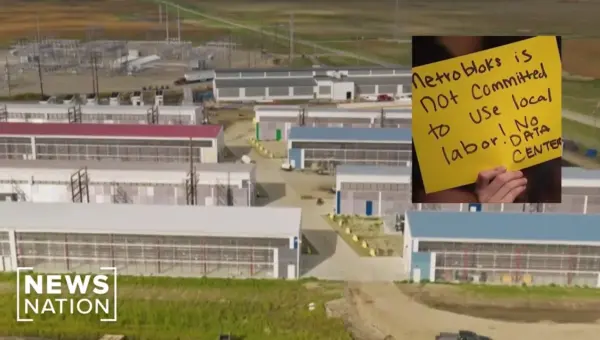
AI Data Centers Spark Rural Uprising
Rural American towns are fighting back against a surge of AI data centers. These massive facilities threaten water supplies, farmland, and local infrastructure. Residents and lawmakers are pushing for new rules to control their growth and ensure companies bear more of the costs.

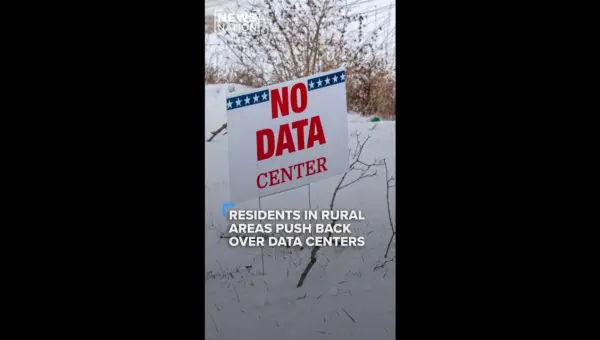
Data Centers Spark Rural Uprising Over Land and Power
Rural communities are fighting back against the rapid expansion of data centers, citing concerns over massive energy consumption and changes to their land. These facilities, vital for AI technology, are straining local power grids and raising questions about the balance between digital progress and community well-being.


AI Misdiagnoses Medical Cases 80% of the Time
A recent U.S. study reveals that AI chatbots are misdiagnosing medical conditions in 80% of cases, highlighting significant risks in relying on artificial intelligence for health advice. Personal stories shared by individuals demonstrate how online self-diagnoses led to incorrect treatments and prolonged suffering, underscoring the irreplaceable value of human medical professionals.