Iran Ceasefire Risks Spiraling Out of Control Amid Talks
A fragile ceasefire between Iran and the US, expiring in two weeks, faces major risks of collapse. Ongoing back-channel talks are attempting to bridge gaps, but experts warn that even minor incidents could easily escalate. The US naval blockade adds another layer of tension, with China watching closely but appearing hesitant to intervene.

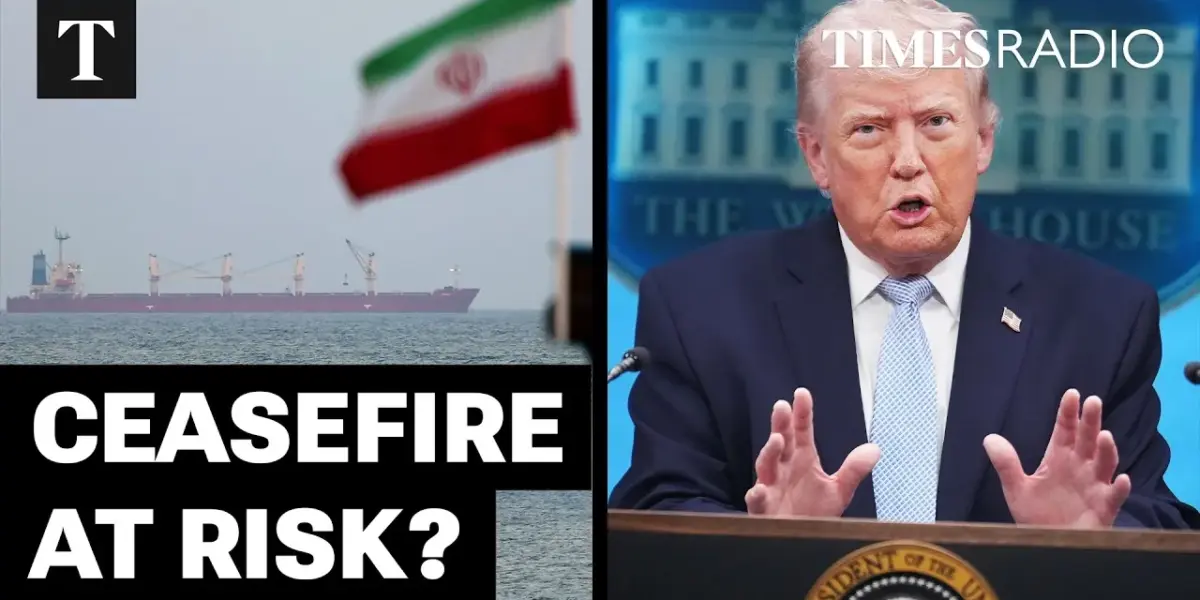
Fragile Ceasefire Hangs in the Balance as Iran and US Near Crucial Deadline
A fragile ceasefire between Iran and the United States, currently set to expire in two weeks, faces a significant risk of collapsing and escalating into full-blown conflict. This critical period is marked by ongoing back-channel talks, mediated by Pakistan, aimed at resolving disputes over Iran’s nuclear program. However, experts warn that even minor incidents could easily spiral out of control, jeopardizing the fragile peace.
US-Iran Talks: A ‘Grand Bargain’ or a Risky Gamble?
Following a breakdown in previous talks, US President Donald Trump has expressed optimism about restarting negotiations with Iran within days. Vice President JD Vance has hinted at the pursuit of a “grand bargain,” a term that remains unclear to many observers. These developments occur as the US enforces a naval blockade in the Strait of Hormuz, a move that has seen some ships pass while others are turned back. The effectiveness and potential consequences of this strategy are under intense scrutiny.
Back-Channel Diplomacy and Narrowing Gaps
Professor Stefan Wolff, a leading expert in international security at the University of Birmingham, shed light on the complex diplomatic efforts. “What’s going on is that we have quite a number of back-channel talks again mediated by Pakistan,” Wolff explained. These discussions, which have reportedly been active since the weekend’s breakdown, suggest that some of the differences between American demands and Iranian willingness to compromise on the nuclear issue may be narrowing. “So, I think there is some progress here,” Wolff noted, though he acknowledged the uncertainty surrounding Trump’s “grand bargain” concept and the US exit strategy.
Internal Iranian Dynamics and the Revolutionary Guard’s Influence
Professor Wolff also addressed questions about the leadership within Iran. While a new supreme leader is in place, the Islamic Revolutionary Guard Corps (IRGC) has emerged as a dominant power broker. “The IRGC… really seems to have evolved into the key power broker in Iran,” Wolff stated. He characterized this shift as a continuation of the old regime, potentially more hardline and hostile, and perhaps more paranoid. This internal dynamic, he suggested, influenced Iran’s approach to the recent talks in Islamabad, where a larger delegation was able to coordinate effectively away from potential surveillance.
The Peril of Escalation: Blockades and Ceasefire Collapse
The US naval blockade is a significant point of contention. Iranian officials view it as a potential precursor to violating the ceasefire, while President Trump has suggested it signals an end to hostilities. Professor Wolff cautioned against premature conclusions, emphasizing the inherent instability of ceasefires. “Ceasefires tend to collapse as a result of minor incidents that then spiral out of control,” he warned. He believes the real danger lies not in the absence of a deal by the ceasefire’s end, but in an enforcement operation, like the blockade, escalating. “If one of the enforcement operations that the Americans are currently running… if that spirals out of control, I think that could signal the end of the ceasefire and we could see a full resumption of hostilities,” Wolff stated.
China’s Limited Role in the Middle East Tensions
The blockade also has significant implications for China, a major importer of Iranian oil. Beijing has condemned the blockade as “dangerous and irresponsible.” However, Professor Wolff expressed skepticism about China’s willingness or ability to intervene effectively. “The Chinese clearly are reluctant to be drawn into this not just militarily but also in terms of any mediation effort,” he observed. He suggested that this situation highlights a gap between Chinese President Xi Jinping’s aspirations for global leadership and China’s current capacity or inclination to act decisively in the Middle East. “There simply doesn’t seem to be either the inclination or the capacity on the Chinese side to do anything about either the blockade or the war or the broader escalation of tensions in the Middle East,” Wolff concluded.
Looking Ahead: A Tense Two Weeks
The coming two weeks are crucial. The success or failure of ongoing diplomatic efforts, the potential for unintended escalation from the naval blockade, and the internal dynamics within Iran will all shape the future of regional stability. All eyes will be on whether a lasting agreement can be reached or if the current fragile peace will shatter, leading to a renewed conflict.
Source: Iran Ceasefire Could Easily ‘Spiral Out Of Control’ | Stefan Wolff (YouTube)

Related Articles
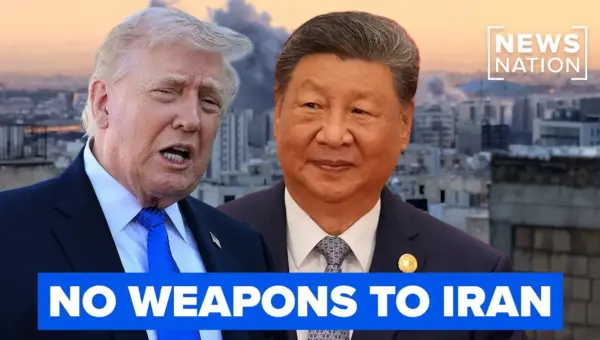
China Backs Strait of Hormuz Blockade, Halts Iran Arms
China has agreed not to supply weapons to Iran and is not opposing the U.S. naval blockade in the Strait of Hormuz. This significant development comes as President Trump prepares for a state visit to China and aims to pressure Iran by controlling vital shipping lanes. The move impacts global trade and reshapes regional power dynamics.

US Imposes Iran Port Blockade; Peace Talks Loom Amid Tensions
U.S. forces have fully implemented a blockade on Iranian ports, halting trade amid escalating Middle East tensions. Peace talks between the U.S. and Iran are reportedly on the horizon, though Iran's nuclear program remains a key obstacle. Meanwhile, historic direct talks between Israel and Lebanon took place in Washington, marking a significant diplomatic step.
Trump Claims Iran War Nearing End Amid Conflicting Reports
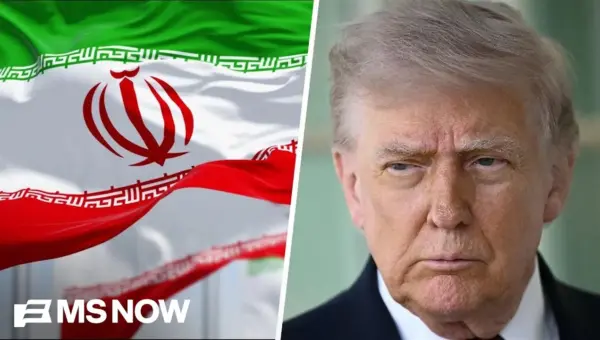
President Trump has declared the conflict with Iran is nearing its end, but conflicting reports highlight the complexities of the U.S. naval blockade. Experts question the administration's optimism, citing Iran's historical resilience and the significant resources required to maintain the blockade. Geopolitical shifts, including potential U.S. withdrawal from NATO and China's growing assertiveness, add further layers of uncertainty to the evolving situation.