AI Data Centers Spark Rural Uprising
Rural American towns are fighting back against a surge of AI data centers. These massive facilities threaten water supplies, farmland, and local infrastructure. Residents and lawmakers are pushing for new rules to control their growth and ensure companies bear more of the costs.

AI Data Centers Spark Rural Uprising
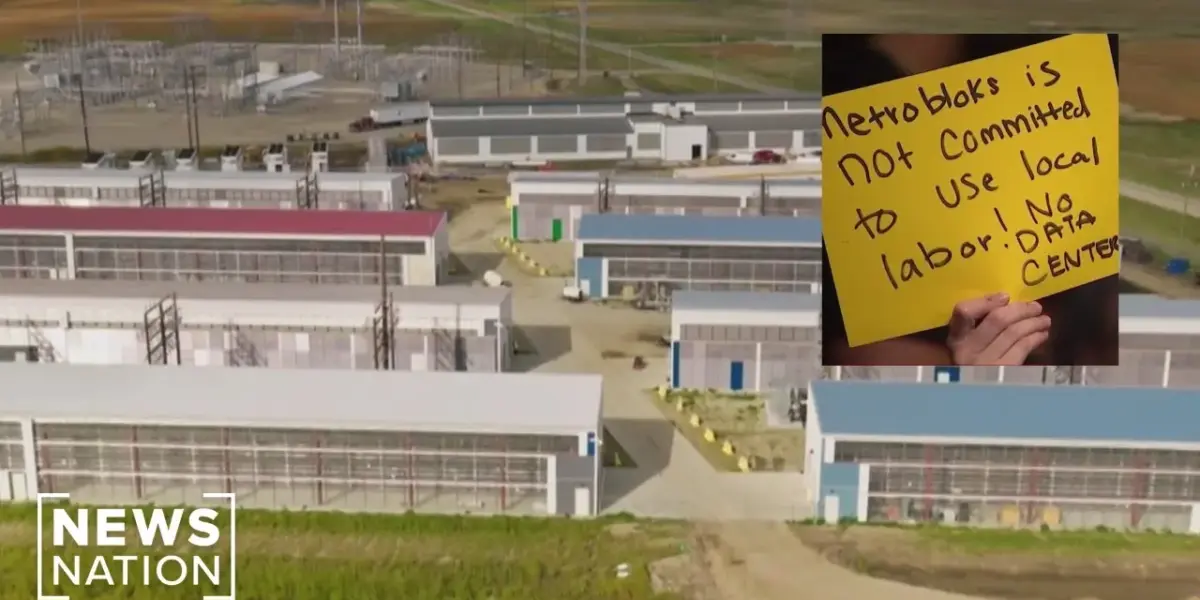
A new fight is brewing in small towns across America. Giant data centers, the hidden engines of artificial intelligence and modern technology, are popping up in rural communities. This rapid growth worries many people. They fear running out of water, losing farmland, and seeing their quiet roads become overcrowded. Now, some lawmakers are stepping in. Several states are looking at new rules to slow down or even stop these projects.
The Growing Concerns
These data centers are essential for AI technology. They need a massive amount of electricity to run 24/7. Utility companies are finding it hard to keep up with this huge demand. The cost of electricity is going up for everyone. Many rural residents are noticing higher power bills. The landscape is also changing. Big buildings are taking over land that was once used for farming. This loss of agricultural land is a major concern for many.
Impact on Communities
Residents are speaking out against these developments. One person said, “It destroys agricultural usable land. I am totally opposed to the data center aspect of it.” They believe these centers don’t belong near populated areas. Concerns also include flooding after rain because the ground is covered by buildings and infrastructure. Access to roads is another problem. New roads built for the data centers are often blocked to the public, making them unusable for the community.
Where Data Centers Are Growing
Pew Research shows that many Americans live close to a data center, either existing or planned. Some areas, like Northern Virginia and Northern California, have a high number of these facilities. Tech companies argue that these projects bring billions of dollars in investment and create jobs. However, this is becoming a political issue. Lawmakers are caught between supporting tech growth and listening to their constituents’ concerns.
Political Pressure Mounts
The question is who will pay for the impact of these centers. Will it be the taxpayers or the billion-dollar tech companies? Some states are trying to shift more costs onto the companies. Others are considering putting a pause on new data center projects. In Festus, Missouri, voters were so unhappy about a $6 billion data center project that they voted out four city council members. This shows that data centers are becoming a hot topic, especially with elections coming up.
Why This Reshapes the World Order
The surge of AI data centers in rural areas highlights a growing tension. It pits the demand for advanced technology against the needs and concerns of local communities. This isn’t just about building more servers. It’s about who controls the digital future and how its costs are shared. As AI becomes more important, the physical infrastructure it needs becomes a point of conflict. These conflicts could lead to new national and state policies. These policies might change how and where major tech infrastructure is built in the future. It forces a conversation about balancing economic development with environmental and community well-being.
Historical Context
Throughout history, new technologies have often faced resistance. Think about the early days of railroads or factories. Communities worried about change, pollution, and displacement. This current situation with data centers is similar. However, the scale and nature of AI are different. The demand for computing power is immense. Decisions made now about data center development could have long-lasting effects, much like decisions made about industrial development in the past.
Economic Leverage and Future Scenarios
Tech companies have significant economic power. They can invest heavily and promise jobs. This makes it hard for local governments to say no. However, the rising costs of electricity and water needed for these centers are a real burden. If states create stricter regulations, companies might look elsewhere. This could slow down AI development. Alternatively, if regulations are weak, rural communities could face significant environmental and social challenges. A middle ground might involve better planning and cost-sharing agreements. This could allow for growth while protecting local interests.
The coming months will be crucial. How states and communities handle this challenge will shape the future of AI infrastructure and rural America.
Source: Rural towns fight against AI data center surge | NewsNation Live (YouTube)

Related Articles

Data Centers Spark Rural Uprising Over Land and Power
Rural communities are fighting back against the rapid expansion of data centers, citing concerns over massive energy consumption and changes to their land. These facilities, vital for AI technology, are straining local power grids and raising questions about the balance between digital progress and community well-being.


AI Misdiagnoses Medical Cases 80% of the Time
A recent U.S. study reveals that AI chatbots are misdiagnosing medical conditions in 80% of cases, highlighting significant risks in relying on artificial intelligence for health advice. Personal stories shared by individuals demonstrate how online self-diagnoses led to incorrect treatments and prolonged suffering, underscoring the irreplaceable value of human medical professionals.


AI Powers Sophisticated Scams Targeting Savings
A 76-year-old man lost $1.6 million to an AI-powered investment scam, highlighting the growing threat of sophisticated fraud. The scam involved realistic AI-generated videos and convincing fake personas. Authorities warn that AI is making these schemes harder to detect, while some perpetrators are also victims of human trafficking.