Data Centers Spark Rural Uprising Over Land and Power
Rural communities are fighting back against the rapid expansion of data centers, citing concerns over massive energy consumption and changes to their land. These facilities, vital for AI technology, are straining local power grids and raising questions about the balance between digital progress and community well-being.

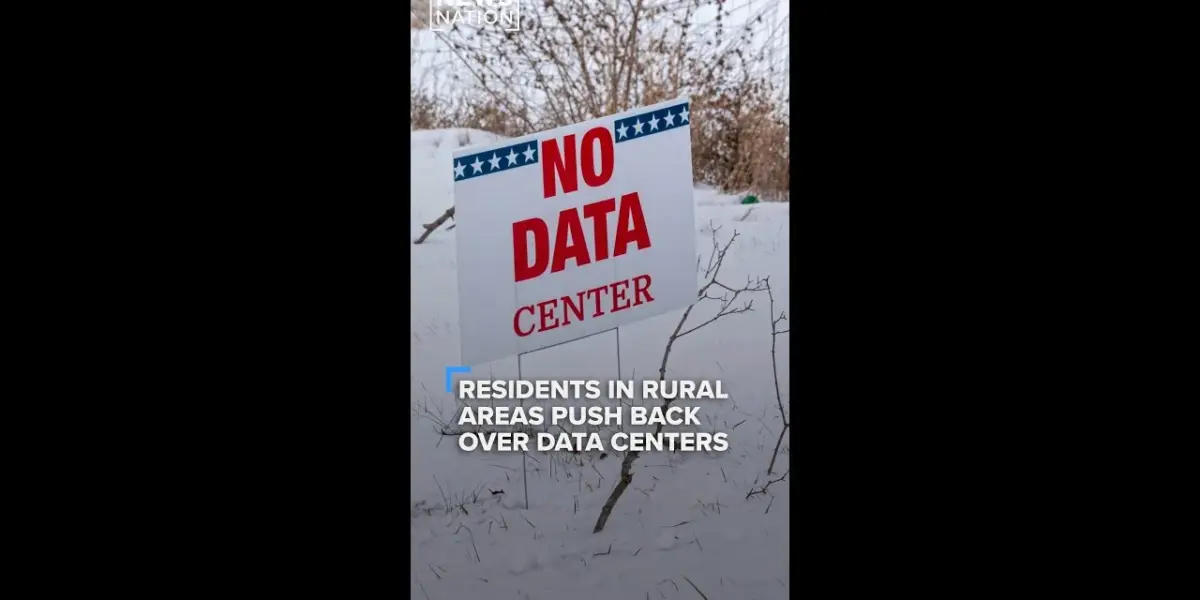
Data Centers Spark Rural Uprising Over Land and Power
Across the American heartland, a quiet battle is brewing. Rural residents are pushing back against the rapid spread of data centers. These massive buildings, essential for our digital lives, are changing the landscape and raising serious questions about land use and energy consumption. From the vast ranches of Texas to the deserts of Arizona, communities are voicing their concerns.
The pushback is growing almost as fast as the data centers themselves. This is happening as everyday Americans face higher electricity bills. Data centers are the backbone of AI technology. Now, some rural communities find themselves caught between progress and preservation. They are torn over the impact these facilities have on their way of life.
Massive Energy Demands Strain Grids
These facilities operate non-stop, 24 hours a day, seven days a week. They consume an enormous amount of electricity. In fact, a single data center can use as much power as a small city. Utility companies are finding it challenging to keep up with this demand. The cost of providing this power is also rising, which can eventually affect everyone’s utility bills.
Land Use and Access Concerns
Beyond energy, communities are worried about how data centers change the land. One resident shared their experience after selling land for a data center. They noted that roads were built for data center fiber. However, these same roads are often blocked by ‘no trespassing’ signs. This prevents residents from using them for safe travel or recreation. This is particularly concerning in areas prone to flooding, where accessible routes are crucial.
The issue highlights a growing divide. It pits the needs of the digital economy against the concerns of rural communities. These communities often value their open spaces and traditional ways of life. The speed at which these facilities are being built leaves little room for local input or planning. Residents feel their voices are not being heard in the face of large corporate and technological expansion.
Global Impact: The Digital Divide Widens
The rise of data centers is a key part of our increasingly digital world. They store and process the vast amounts of data needed for everything from streaming movies to artificial intelligence. However, this digital infrastructure has a physical footprint. This footprint is increasingly being placed in rural areas, often chosen for lower land costs and access to power. This raises questions about equitable development and the concentration of essential infrastructure.
Why This Reshapes the World Order: The placement of these critical digital hubs in rural areas creates new dependencies. It can also lead to local environmental strain. As more of our economy and daily life moves online, the physical location of data centers becomes strategically important. This shift could influence where economic growth occurs and who benefits from the digital revolution. It also puts pressure on governments to balance technological advancement with local community needs and environmental protection.
Historical Context: Land Use Debates
Conflicts over land use are not new in America. Throughout history, debates have arisen over farming, industrial development, and conservation. The expansion of railroads in the 19th century and the growth of manufacturing in the 20th century both transformed landscapes. They also led to similar tensions between economic progress and community impact. Today, data centers represent the newest frontier in this ongoing discussion.
These modern facilities are a different kind of industrial development. They require significant land and power, but often provide fewer direct local jobs than traditional factories. This can lead to a sense of imbalance in community benefits. The rapid pace of digital transformation means these debates are happening faster than ever before.
Economic Leverage and Future Scenarios
Utility companies and data center developers often highlight the economic benefits. These can include tax revenue and job creation, though the number of jobs is often limited. However, residents point to rising energy costs and environmental concerns as significant downsides. The economic equation for these projects is complex. It involves balancing potential local gains against broader societal costs.
Several future scenarios are possible. One is that data center development continues unchecked, leading to more rural opposition. Another is that communities gain more power to influence siting decisions. This could involve stricter regulations or incentives for developers to address local concerns. A third scenario involves technological advancements that reduce energy consumption. This could lessen the strain on local grids.
The growing resistance from rural communities is a signal. It suggests that the rapid build-out of digital infrastructure needs careful consideration. How these issues are resolved will shape the future of both rural America and the digital economy.
Source: Rural residents say data centers ruin land | NewsNation (YouTube)

Related Articles

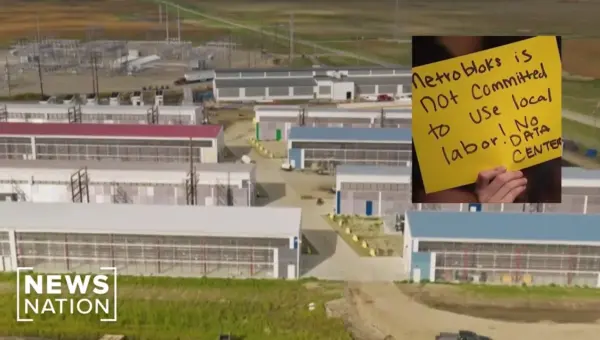
AI Data Centers Spark Rural Uprising
Rural American towns are fighting back against a surge of AI data centers. These massive facilities threaten water supplies, farmland, and local infrastructure. Residents and lawmakers are pushing for new rules to control their growth and ensure companies bear more of the costs.
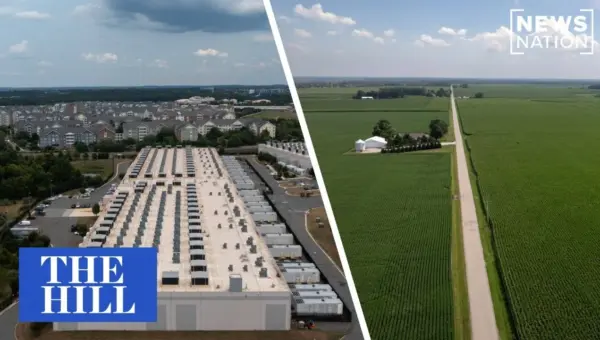
Farmers Fight Data Centers For Land, Power
The rapid expansion of data centers in rural America is creating significant challenges for farmers. These facilities consume vast amounts of land and electricity, driving up costs and threatening food production. Texas officials are proposing solutions to guide development towards less productive areas.


AI Backlash Sparks Violence, Threatens Tech Leaders
An Indianapolis shooting targeting a politician who supported a data center highlights a dangerous escalation in the AI backlash. Online reactions reveal disturbing support for violence, raising fears for tech leaders and the future of AI adoption.