First Lady Leads Bipartisan Push for Foster Youth Reform
First Lady Melania Trump is leading a bipartisan effort to reform the Chaffey program, which supports youth aging out of foster care. Six new bills aim to improve housing, education, and job training for these vulnerable young adults. The initiative highlights personal stories of resilience and the critical need for increased support.

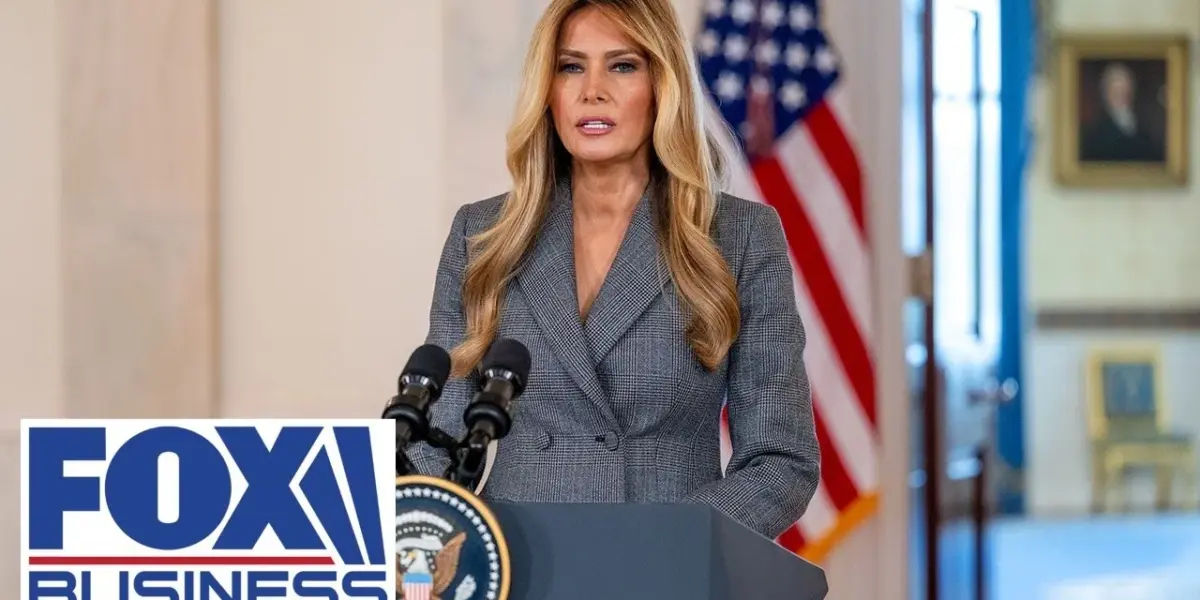
First Lady Leads Bipartisan Push for Foster Youth Reform
First Lady Melania Trump is spearheading a significant bipartisan effort aimed at improving the lives of young people aging out of the foster care system. This initiative focuses on creating new opportunities and providing essential support for these vulnerable youth.
Protecting America’s Foster Youth
Each year, approximately 16,000 young people in the United States leave the foster care system without a permanent family connection. These individuals are among the most at-risk in the country, often facing challenges like homelessness, educational setbacks, and difficulty finding stable employment.
First Lady Trump’s “Fostering the Future” initiative has brought much-needed attention to this critical issue. This program aims to equip foster youth with the tools they need to succeed, including access to higher education and job training.
Modernizing the Chaffey Program
Congress is responding with a series of legislative reforms designed to update the Chaffey program. Chaffey is the main federal program supporting youth aged 14 to 23 as they transition out of foster care. Recently, lawmakers introduced six bills to modernize Chaffey and improve outcomes for these young adults.
These proposed changes address key challenges identified by those directly involved in the foster care system, including foster youth themselves. Key areas for improvement include better coordination with housing programs and expanding educational and workforce training opportunities.
Stories of Hope and Resilience
The initiative highlights the personal stories of foster youth, showcasing their resilience and the impact of targeted support. One such story is that of Seth, who entered foster care at age 15 and aged out at 18. He faced homelessness and worked multiple jobs, walking long distances between them.
Seth received a Melania Trump Foster Youth to Independence Housing Voucher, which provided him with stable housing. He described the voucher as something that “flipped the script on what he thought was possible in his life.” Seth is now working as a corrections officer and plans to attend college.
Jaden Martinez, who entered foster care at age six, shared his journey. After not being adopted, he entered an independent living program at 18 with very little money. Despite facing educational disruptions due to frequent moves, Jaden is now a freshman in college and has been recognized for his advocacy efforts.
Jocelyn Fetting, who spent eight and a half years in foster care, earned both her bachelor’s and master’s degrees. She worked multiple jobs in college to cover basic needs like food and housing. Jocelyn emphasized that success for foster youth should not depend on luck but on opportunity, which these legislative reforms aim to provide.
Legislative Efforts and Challenges
Lawmakers involved in the effort stressed the need for increased investment in programs like Chaffey. Since its creation in 1999, funding for Chaffey has seen minimal increases, with only a $3 million rise aside from pandemic-related adjustments. In 2023 alone, over 30 states returned $8.9 million in unused Chaffey funds, according to a Government Accountability Office report.
One significant barrier for youth is access to stable housing. A study found that 35% of foster youth experienced homelessness by age 21. Fragmentation among federal programs also hinders effective support.
The proposed legislation aims to address these issues. For example, the Foster Youth Housing Opportunity Act seeks to improve coordination between child welfare programs and housing voucher initiatives. It would allow states to use Chaffey funds for housing support services and align age eligibility requirements between programs.
What Investors Should Know
While this initiative is primarily focused on social welfare and child protection, its success has broader implications. Investing in the stability and education of young people aging out of foster care can lead to a more productive future workforce. These individuals, when given the right support, can become innovators, business owners, and job creators.
The bipartisan nature of this effort suggests a strong political will to address the issue. This could lead to sustained policy changes and funding allocations. For sectors involved in education, workforce development, and housing, these reforms could create new opportunities and partnerships.
The focus on education and job training aligns with long-term economic growth strategies. Empowering these young adults to achieve financial independence contributes to overall economic stability and reduces reliance on social services.
Looking Ahead
The introduction of these six bipartisan bills marks a significant step forward. With continued collaboration and support, lawmakers are committed to advancing these reforms through Congress. The goal is to transform the transition process for foster youth, providing them with the tools for greater opportunity, upward mobility, and long-term success.
Source: WATCH LIVE: Melania Trump leads bipartisan effort to protect foster children (YouTube)

Related Articles


Bondi Evades Subpoena Amid Epstein Files Fallout
Former Attorney General Pam Bondi is evading a congressional subpoena related to the Jeffrey Epstein files, sparking threats of contempt. This occurs shortly after Melania Trump's public statement and amidst ongoing scrutiny of the files' redactions and past allegations. The situation highlights a push for accountability from both Democrats and Republicans.

Epstein Survivor Questions First Lady’s Call for Public Testimony
Epstein survivor Marina Lacerda questions First Lady Melania Trump's call for public testimony, calling it a "deflection of responsibility." Lacerda argues that survivors have already shared their stories and that the truth lies within the existing files. She demands investigations into the prominent names linked to Epstein, not further trauma for victims.


Melania’s Epstein Statement: A Calculated Move?
Melania Trump's recent statement on Jeffrey Epstein has ignited speculation about her motives. Was it a preemptive move to control a narrative, possibly influenced by Ghislaine Maxwell's potential leverage or warnings from an Epstein survivor? The timing and content of her denial raise significant questions about the unfolding Epstein saga.