GOP Faces Voter Discontent Over War, Diminished Support
Republican lawmakers are noticing growing voter discontent, particularly among younger demographics, regarding the ongoing war. This sentiment, coupled with economic pressures, could lead to diminished support and turnout in the upcoming midterm elections. The party faces significant challenges in messaging and addressing voter concerns.

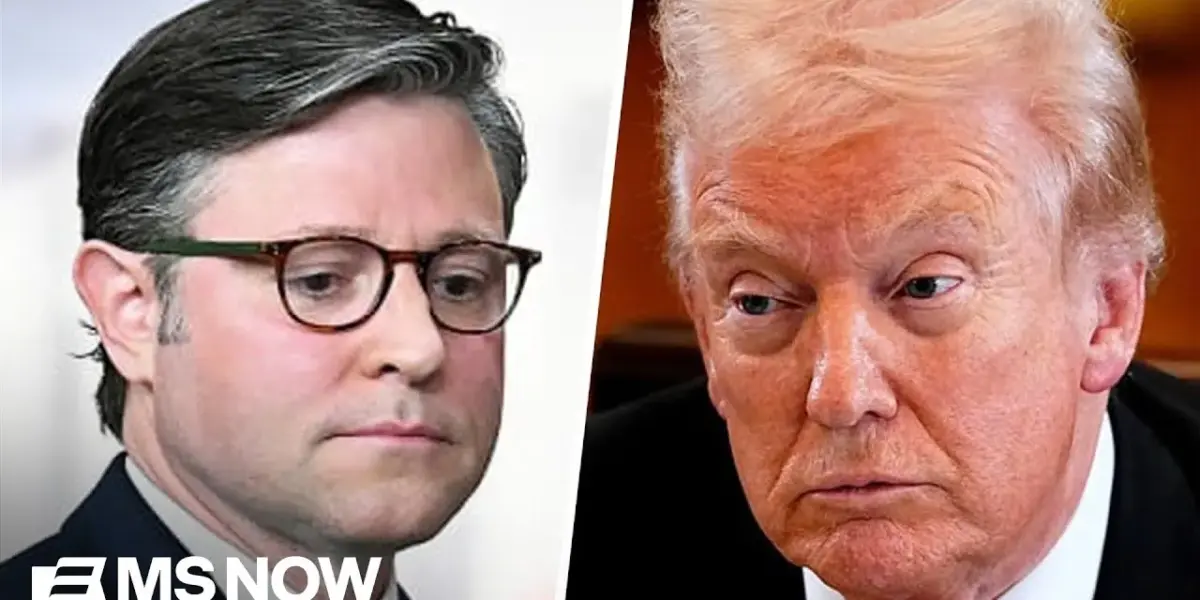
GOP Lawmakers Warn of Declining Support Amidst War Discontent
Republican lawmakers are facing growing discontent among voters, particularly younger ones, over the ongoing war, a situation that could lead to diminished support and turnout in upcoming elections. This sentiment was highlighted at a recent event where even vocal supporters showed signs of restlessness, signaling a potential challenge for the party heading into the midterm elections.
Voter Concerns Surface at Key Rally
Journalist David Drucker noted a stark contrast between past rallies and a recent event, observing empty seats and a lack of enthusiasm. This observation, coupled with admissions from figures like J.D. Vance, suggests a disconnect between the party’s platform and a segment of its base. Many voters, especially younger ones who were drawn to the promise of “no more conflicts and foreign entanglements,” are reportedly questioning the current foreign policy direction.
“I think that’s a pretty clear signal from that turnout yesterday. The trouble is ahead unless they get out of this fast,” Drucker stated, emphasizing the urgency for the party to address these concerns.
Younger Voters Question Foreign Policy
A significant portion of President Trump’s 2024 coalition included younger voters who joined in part because of his stance against foreign conflicts. For these voters, the prolonged involvement in the war, especially in the Middle East, contradicts the promises made during the campaign. The perception of an endless conflict is a major point of contention, making it increasingly difficult for the president and Republican lawmakers to maintain support.
One attendee expressed a common sentiment: “I personally don’t think we should be fighting wars in the Middle East. I just think it could have been handled a little bit better.” While still willing to support the party, this view highlights a willingness to question the current approach.
Messaging Challenges and Economic Woes
The administration is also grappling with messaging challenges, with President Trump himself acknowledging that the stated reasons for the war have not been clearly articulated to voters. This lack of clear communication, combined with ongoing economic concerns like high inflation and gas prices, further complicates the political landscape. Economists refer to this as the “rockets and feathers” theory: while geopolitical instability can cause prices to rise quickly, they tend to fall much more slowly, meaning economic relief may not reach voters in time for the elections.
Drucker explained the economic impact: “It’s going to take a long time for oil prices to get back down. And so it’s going to take a long time, even if this thing ended today as we speak. It would take into the fall, the heart of the midterm election season, for gas prices to come down.” This economic pressure exacerbates the existing problem of voters feeling that the high cost of living is not being adequately addressed.
The MAGA Base and Political Dissent
The loyalty of the MAGA base is also being scrutinized. While conservative media figures continue to influence opinions, approval ratings on certain issues, including the war, are not as high as on others. Political analysts suggest that while the MAGA base may not immediately shift its voting patterns, a lack of enthusiasm could lead to lower turnout. This is particularly concerning for Republicans in purple districts, where even small shifts in voter engagement can be decisive.
The article points out that “cults of personality don’t do reasonable dissent.” This suggests that direct criticism of Trump from within the MAGA movement is unlikely, but a quiet disengagement due to dissatisfaction is a real possibility. The question remains whether this discontent will translate into tangible electoral consequences.
Looking Ahead: The Midterm Challenge
As the midterm elections approach, the Republican party faces the dual challenge of addressing voter concerns about foreign policy and the economy. The administration’s efforts to clarify its messaging and regain voter confidence will be crucial. The potential for diminished turnout among key demographics, coupled with ongoing economic pressures, suggests a challenging road ahead for GOP lawmakers. The coming months will reveal whether these issues can be effectively managed or if they will significantly impact election outcomes.
Source: GOP lawmakers 'going to see diminished support' due to discontent over war: Journalist (YouTube)

Related Articles

GOP Touts Tax Cuts: ‘Bigger Refunds’ for Working Families
House Republicans are highlighting the "Working Families Tax Cuts" on the first Tax Day since its implementation, claiming it's delivering "bigger refunds" and financial relief to everyday Americans. They contrasted these benefits with "Bidenomics," asserting that Democrats voted against the cuts and for tax increases.

Trump’s Base Crumbles: Is MAGA’s Marketing Fading?
Donald Trump's core voter base is reportedly shrinking, even among historically loyal groups. This analysis explores whether the MAGA movement, seen by some as sophisticated marketing, is losing its appeal. The implications for the Republican party and the broader political landscape are significant.

Fetterman Backs Trump’s Hard Line on Iran, Criticizes Party Drift
Senator John Fetterman expressed strong support for President Trump's assertive stance against Iran, including military actions to dismantle its capabilities. Fetterman also criticized the direction of the Democratic Party, highlighting disagreements on foreign policy and security funding.