Vance Defends Trump: Epstein Friendship Claim Is A Hoax
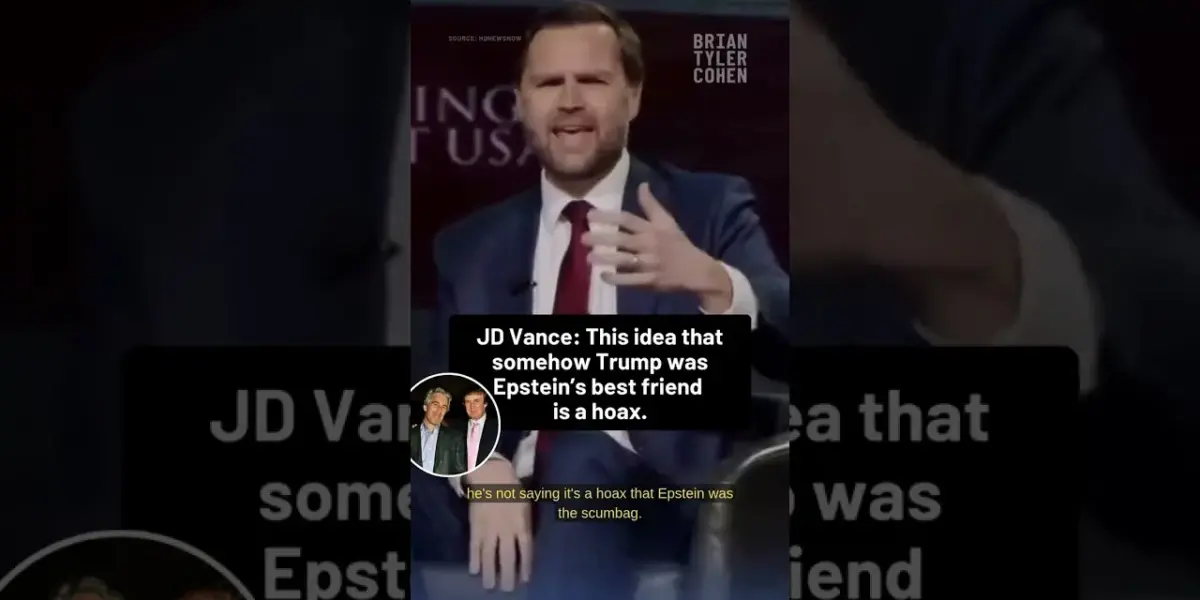
Senator JD Vance asserts that claims of Donald Trump being close friends with Jeffrey Epstein are a "hoax." Vance cited emails suggesting a mutual dislike and even Trump reporting Epstein to authorities, arguing this refutes the "best friend" narrative pushed by Democrats.

Vance Defends Trump: Epstein Friendship Claim Is A Hoax
Senator JD Vance recently defended President Donald Trump against claims of a close friendship with Jeffrey Epstein. Vance argued that the idea Trump was Epstein’s “best friend” is a deliberate misrepresentation, or a hoax, pushed by Democrats. He pointed to emails as evidence that the relationship was far from friendly, suggesting instead a mutual dislike and even Trump reporting Epstein to authorities.
Emails Reveal Mutual Disdain
According to Vance, the emails show a clear animosity between Trump and Epstein. He explained that while many people in Palm Beach knew each other, and Trump has admitted knowing Epstein as a “scumbag,” the correspondence paints a different picture than one of close ties. Vance highlighted an email where Trump allegedly reported Epstein to the local sheriff, calling him a “scumbag” and urging law enforcement to apprehend him.
This detail, Vance asserted, proves that Trump’s claim of the “best friend” narrative being a hoax is accurate. He clarified that Trump isn’t denying knowing Epstein or that Epstein was a terrible person connected to powerful individuals. Instead, Trump is specifically refuting the notion that they were close allies.
Why This Matters
The discussion around Trump’s past connections to Jeffrey Epstein has resurfaced as Epstein’s network of powerful associates is under renewed scrutiny. For politicians and public figures, any association with Epstein, even a negative one, can become a point of political attack. Vance’s defense attempts to reframe the narrative, shifting the focus from association to active disapproval.
This matters because it speaks to how political figures manage their past and how opponents use those past associations as weapons. By emphasizing Trump’s alleged reporting of Epstein, Vance aims to portray Trump not as complicit, but as someone who recognized Epstein’s depravity early on. This is a strategic move to inoculate Trump against criticism.
Historical Context and Background
Jeffrey Epstein was a wealthy financier who was arrested in 2019 on charges of sex trafficking of minors. His connections spanned across business, political, and social circles, leading to investigations into many prominent individuals. The nature of these connections varied widely, from casual acquaintances to deeper, more problematic relationships.
The social dynamics in wealthy enclaves like Palm Beach often involve overlapping circles of acquaintances. It’s not uncommon for individuals in such environments to know each other, even if they don’t socialize closely or hold each other in high regard. Vance’s argument hinges on this distinction: knowing someone versus being friends with them.
Implications and Future Outlook
The ongoing investigations into Epstein’s network mean that associations with him will likely remain a topic of public interest. For Trump, like others, the challenge is to clarify the nature of any past interactions. Vance’s defense suggests a strategy of acknowledging the connection but emphasizing Trump’s alleged negative view of Epstein.
This approach aims to neutralize potential attacks. If Trump actively opposed Epstein and even reported him, it could be seen as a sign of good judgment, rather than poor association. The effectiveness of this defense will depend on further evidence and how the public perceives the sincerity of these claims. It also highlights a broader trend of political figures trying to control their public image by contextualizing past events.
The fact that Jeffrey Epstein hates Donald J. Trump is a pretty good thing for Donald J. Trump.
Vance went on to suggest that being disliked by “the worst people in the world” can actually be a positive indicator of character. This is a bold claim, framing Epstein’s hatred as a badge of honor for Trump. It’s a way to turn a potentially damaging association into a statement about Trump’s perceived opposition to criminals.
Ultimately, the debate over Trump’s relationship with Epstein is complex. Vance’s comments offer one perspective, emphasizing a narrative of mutual dislike and Trump’s alleged actions against Epstein. As more information comes to light, the full picture of these connections will continue to be debated.
Source: JD Vance: This idea that somehow Trump was Epstein’s best friend is a hoax (YouTube)

Related Articles

Trump’s Allies Rebel: Conservatives Slam President’s Policies
Prominent conservative figures and lawmakers are openly criticizing President Trump's policies in 2026, signaling a growing divide within the movement. From Candace Owens questioning the Iran conflict to Senator Rand Paul challenging trade policy, a wave of dissent is challenging the president's agenda.

Trump Threatens Fed Chair Powell, Faces Nomination Blockade
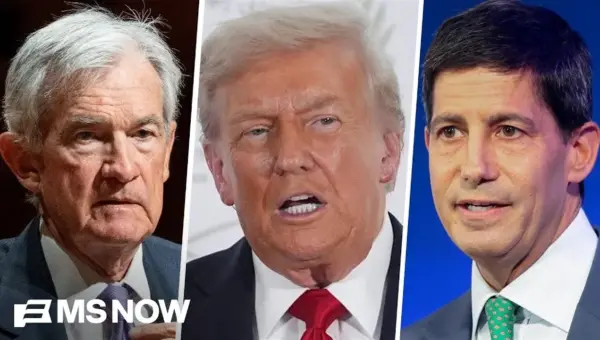
President Trump is threatening to fire Fed Chair Jerome Powell over a renovation probe, creating a political stalemate. Senator Tom Tillis is blocking Trump's nominee, Kevin Warsh, until the investigation concludes. Warsh himself faces scrutiny over his vast personal wealth, estimated between $135-226 million, raising conflict of interest concerns.


Trump’s Grip Weakens as Allies Falter, Democracy’s Future Hinges
Donald Trump's approval ratings are plummeting, even among his core supporters, signaling a potential collapse of the MAGA movement. Global events, like Hungary's shift to democracy, and domestic economic woes are fueling discontent and opening doors for broader political coalitions.