DOJ Seeks to Overturn Jan. 6 Convictions, Sparking Controversy
The Department of Justice is seeking to overturn seditious conspiracy convictions related to the January 6th Capitol attack, a move legal experts find extraordinary. Concerns are also rising over comments suggesting a president has the right to direct DOJ investigations into individuals, challenging post-Watergate norms.

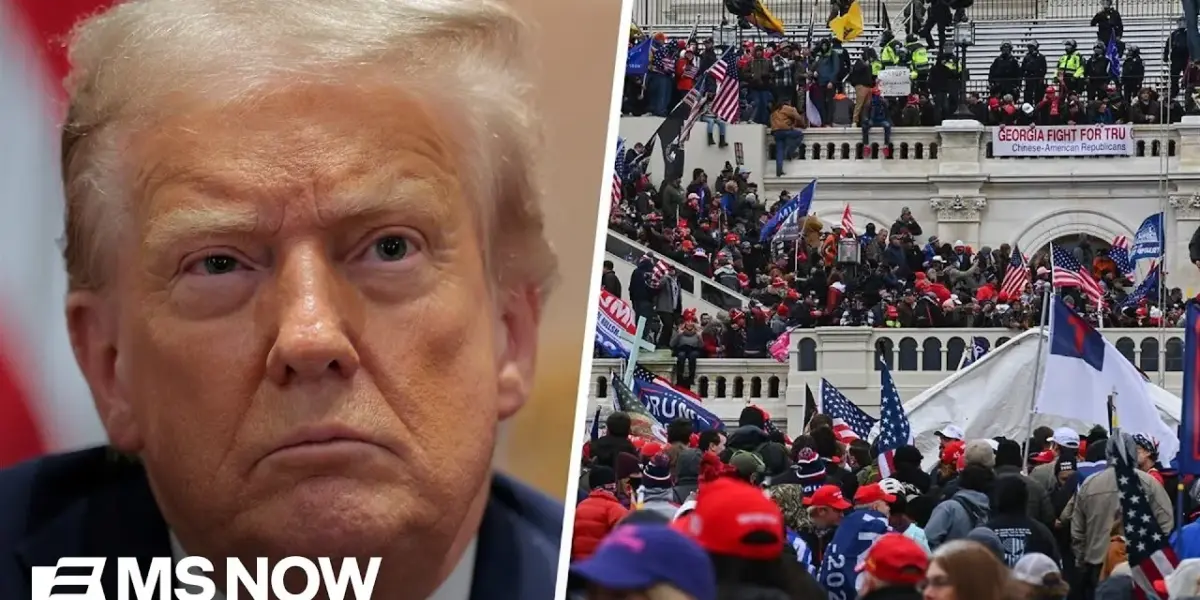
Justice Department Moves to Erase Sedition Convictions
In a move that has stunned legal observers, the Department of Justice (DOJ) is asking courts to overturn seditious conspiracy convictions against individuals involved in the January 6th Capitol attack. This unprecedented request aims to effectively erase these convictions, making it as if they never happened. The DOJ’s reasoning behind this extraordinary step remains unclear to the public, raising significant questions about the original prosecutions.
Evidence and Prior Prosecutions
These convictions were secured after extensive trials, where juries reviewed substantial evidence. Prosecutors presented proof that the defendants conspired to disrupt the certification of the 2020 election results. The decision to pursue seditious conspiracy charges was not taken lightly. High-level meetings within the DOJ, including discussions with the Attorney General, preceded the filing of these serious charges. The department has historically used this charge sparingly, and it was notably applied in cases involving leaders of groups like the Proud Boys and Oath Keepers. While some of these leaders were not physically present at the Capitol on January 6th, evidence showed they were actively communicating and coordinating their actions. Notably, former President Donald Trump did not issue pardons for these individuals, suggesting a reluctance to fully absolve them at the time.
Legal Experts Weigh In on the DOJ’s Request
Former federal prosecutor Barrett Berger believes the courts are likely to grant the DOJ’s request. He explained that the Justice Department has significant discretion in deciding which charges to pursue and when to seek appeals based on new evidence or errors. “We want them to have the ability, if they find a conviction that’s wrong or new evidence comes in to appeal to the court and to say, actually, we got this one wrong,” Berger stated.
However, the situation is unusual. Berger pointed out that a presidential pardon could have simply erased these convictions from the outset. He noted that during a previous wave of pardons, these specific individuals were carved out, with only their sentences commuted. “It’s unclear what’s changed now, what makes them take this really extraordinary step of going to the court to ask the court to dismiss these charges as opposed to just having them pardoned right off the bat,” Berger remarked.
Concerns Over Political Influence on Justice Department
Meanwhile, intelligence reporter Ken Delaney highlighted recent controversial remarks by acting Attorney General Todd Blanche. Blanche suggested that former President Trump has both the right and the duty to direct the Justice Department to investigate specific individuals. Delaney expressed strong disagreement, stating, “Todd Blanche was a federal prosecutor. He knows that that is never the way the Justice Department has worked, particularly in the 50 years post-Watergate.”
Delaney elaborated, “The idea is that a president who is a politician should not direct an independent DOJ to investigate somebody criminally. That just doesn’t look right. It suggests that the thumb is on the scales.” He criticized Blanche’s apparent acceptance of such direction, arguing that it could lead to investigations based on flimsy evidence against political opponents, which is detrimental to American democracy.
Presidential Authority vs. Independent Justice
Barrett Berger addressed Blanche’s comments, acknowledging that presidents can set general policy and prioritize certain crimes. “Presidents can say we want to take this crime more seriously. We want to put our resources to this,” Berger said. However, he strongly emphasized the long-standing norm, particularly since the Watergate era, that presidents cannot direct individual prosecutions or the dropping of charges against specific defendants.
Berger suggested that Blanche’s willingness to embrace direct presidential involvement in individual cases sounds more like an interview for a future political role than a reflection of traditional prosecutorial ethics. He noted that Blanche’s background in the Southern District of New York, an office known for its independence, makes his current stance particularly striking.
Looking Ahead
The DOJ’s decision to seek the overturning of seditious conspiracy convictions marks a significant and controversial development. The lack of public explanation fuels speculation and concern. As legal battles unfold and further statements emerge, the independence and integrity of the Justice Department’s actions will undoubtedly remain under intense scrutiny in the coming months.
Source: DOJ moves to erase Jan. 6 seditious conspiracy convictions (YouTube)

Related Articles

DOJ’s Shocking Move Undermines Justice for Jan. 6
The DOJ's recent motion to dismiss convictions for Oath Keepers and Proud Boys is seen as an attempt to erase history and undermine justice. Critics argue this move lacks a sound basis and sets a dangerous precedent, potentially encouraging political violence by signaling protection for supporters.

AG Claims Epstein Files Closed, But Evidence Suggests Otherwise
The Department of Justice claims all Jeffrey Epstein files have been released, but critics and victims argue more information is being withheld. Past actions by the administration fuel skepticism, raising questions about transparency and accountability in the justice system.


DOJ Weaponized FACE Act Against Pro-Life Advocates, Report Shows
A new report suggests the Biden administration disproportionately used the FACE Act against the pro-life community, raising concerns about selective enforcement. The findings indicate potential conflicts with First Amendment rights and call for policy changes to prevent future abuses.