Iran’s Missile and Drone Arsenal: A Wildcard in Regional Conflict
Iran's substantial stockpile of short-range missiles and drones is emerging as a critical factor in the ongoing regional conflict. Experts are assessing the nation's remaining capabilities, particularly its hardened underground facilities, and the potential impact of international military cooperation.

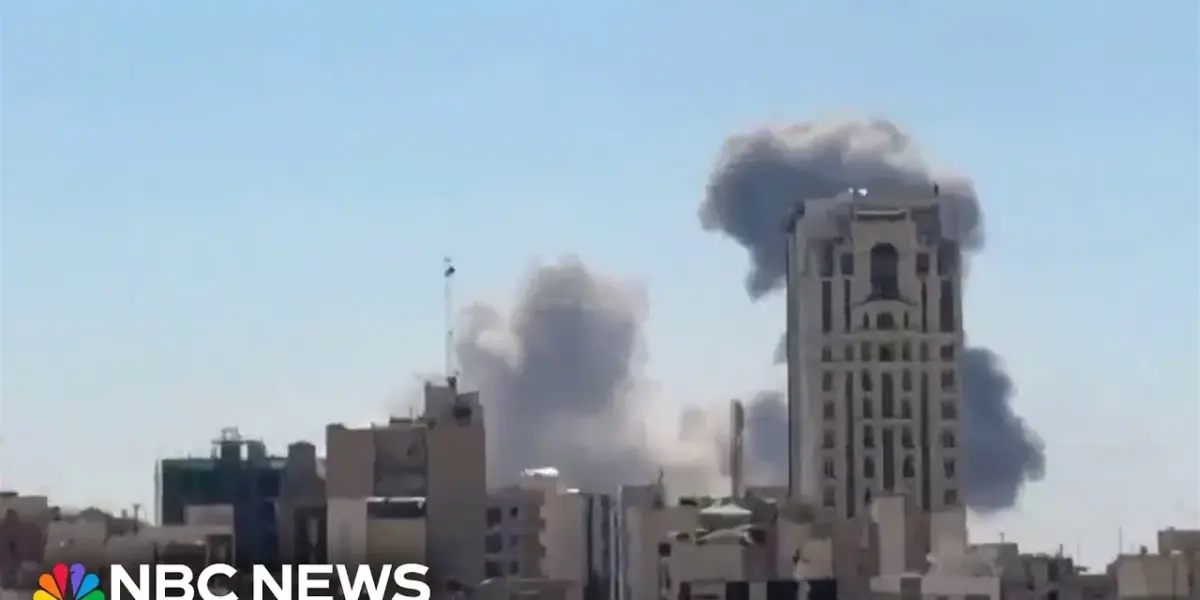
Iran’s Arsenal: A Key Factor in Escalating Tensions
In the wake of recent retaliatory strikes by Iran against Israel and U.S. Bases following an alleged attack on February 28th, questions are mounting about the extent of Iran’s remaining missile and drone capabilities. The conflict, now entering its second week, is being significantly shaped by the nation’s substantial stockpile of short-range ballistic missiles and a vast drone program, raising concerns about the war’s potential trajectory and regional stability.
Assessing Iran’s Ballistic Missile Strength
Prior to the current hostilities, experts estimated Iran possessed over 2,000 medium-range ballistic missiles, capable of reaching Israel from Iranian territory, supported by approximately 400 launchers. However, claims from the U.S. and Israel suggest the destruction of hundreds of these missiles, launchers, and associated manufacturing facilities. The true impact of these strikes on Iran’s long-range offensive capabilities remains a critical unknown.
The Shadow of Short-Range Missiles and Underground Facilities
While medium-range missiles are a significant concern, Iran maintains a formidable and harder-to-quantify stockpile of shorter-range missiles. These weapons, with ranges of a few hundred kilometers, are adept at targeting U.S. Bases and other infrastructure across the Arabian Gulf. Experts suggest Iran may still possess thousands of these missiles, posing a persistent challenge for aerial targeting.
“A lot of this stuff, the Iranians learning from their friends, the North Koreans have put underground,” noted one expert, highlighting the difficulty in neutralizing these assets.
The subterranean nature of many of these facilities makes them significantly more challenging to locate and destroy from the air compared to surface-level or unhardened storage sites.
The Role of Drones in Asymmetric Warfare
Drones are now a cornerstone of modern warfare, and Iran has leveraged them effectively as part of its asymmetric warfare strategy. These unsophisticated yet lethal unmanned aerial vehicles are employed to strike unconventional targets, such as fuel depots and airports. Iran’s capabilities extend to one-way attack drones, often referred to as suicide drones, designed for fixed or mobile land-based targets, as well as a significant capacity in anti-ship drones.
Potential for International Military Cooperation
Amidst the conflict, attention has turned to Iran’s diplomatic allies, Russia and China, and their potential willingness to provide military assistance. The Iranian Foreign Minister, in a recent interview, expressed hope for continued military cooperation with Russia, stating, “A military cooperation between Iran and Russia is not something new. It has been in the past and it’s still there and will continue in the future.” The extent of such support, however, remains unclear.
Depleting Assets: A Two-Sided Equation
While Iran expends its missile and drone reserves, regional allies of the United States are rapidly depleting their own expensive air defense interceptors. Simultaneously, the U.S. and Israel are incurring substantial daily costs for their military operations. The rate at which these critical assets are consumed on all sides could prove to be a decisive factor in determining the conflict’s duration and outcome.
Ukraine’s Drone Expertise Offers a Glimmer of Hope
In a surprising development, Ukraine has reportedly offered assistance to the United States and its allies in countering Iranian drone strikes. Having become highly proficient in drone warfare against Russia’s invasion, Ukraine’s experience could prove invaluable in developing strategies to thwart Iran’s drone campaigns.
Looking Ahead: The Unpredictable Future
As the conflict evolves, the resilience of Iran’s hidden missile and drone infrastructure, coupled with its ability to secure external support, will be crucial factors. The strategic depletion of air defense systems by all parties involved adds another layer of complexity. The coming weeks will likely reveal whether Iran’s remaining arsenal can significantly alter the regional balance of power or if escalating costs will force a de-escalation.
Source: How Iran's short-range missile and drone stockpile could shape the war's trajectory (YouTube)

Related Articles


Lebanon, Israel Peace Talks: Land & Security Top Agenda
Peace talks between Lebanon and Israel are set to take place in Washington D.C., with land and security as key issues. The conflict in Southern Lebanon has displaced over a million people, and a firsthand account reveals the devastating human cost. Hezbollah's absence from the talks adds complexity, while the outcome could impact U.S.-Iran relations.


Israel Marks 78 Years Amid War, Deep Political Divides
Israel celebrated its 78th Independence Day amidst ongoing wars and deep political divisions. Official ceremonies were marked by somber reflections, while alternative events highlighted concerns over democracy. The nation grapples with unresolved security issues and complex international relations.

Iran Shows Off Missiles Amid US Talk Collapse
Iran showcased ballistic missile launchers during a military parade in Tehran, following the collapse of proposed talks with the U.S. in Pakistan. This display signals Iran's military priorities amidst ongoing international tensions.