Polls Show Trump’s Iran War Support Collapsing as Midterms Near
New polling indicates a significant drop in public approval for President Trump's handling of the Iran conflict, with over half of Americans opposing the military action. The escalating costs, casualties, and a perceived lack of clear strategy are fueling discontent as the midterm elections approach.

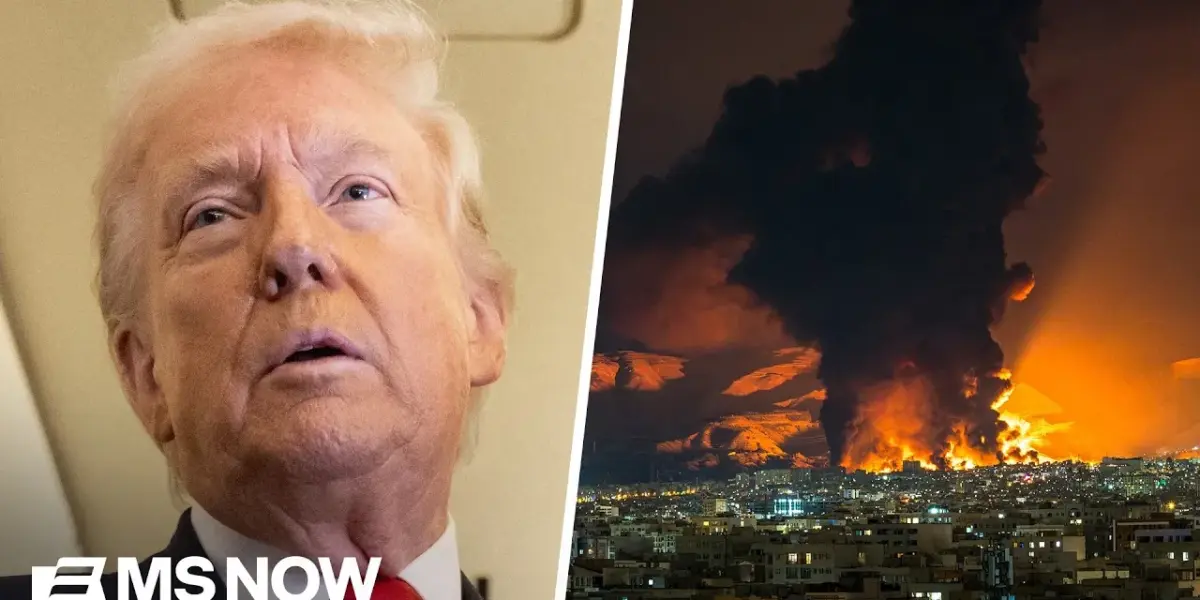
Public Discontent Grows Over Iran Conflict Amidst Economic Woes and Looming Elections
New polling data reveals a significant decline in public support for President Trump’s military engagement in Iran, with a majority of Americans now disapproving of his handling of the situation. As the midterm elections approach, the escalating costs, casualties, and perceived lack of a clear strategy are fueling widespread discontent, raising serious questions about the administration’s grip on both foreign policy and domestic priorities.
Key Statistics Highlight Public Opposition
Recent surveys indicate that 52% of voters disapprove of Trump’s approach to Iran, while only 41% approve. A substantial 52% of Americans believe the U.S. should not have undertaken military action in the region. This sentiment emerges against a backdrop of concerning domestic issues, including poor job numbers and rising gas prices, which analysts suggest are directly impacting public perception of the administration’s effectiveness.
Don Calloway, former Missouri State Representative and CEO of Pine Street Strategies, commented on the public’s lack of faith in the administration’s handling of complex issues. “All of the things that you’re showing up on the screen right now are exactly why Americans are not happy with Donald Trump, to say the very least, and don’t have faith in him,” Calloway stated. “We’re seeing record numbers in that poll saying people feel worse off now than they did when Donald Trump took office.” He added that these numbers, exceeding 50%, suggest even parts of Trump’s base are feeling the strain.
Echoes of Iraq War and Escalating Costs
The current conflict in Iran has drawn comparisons to the controversial Iraq War, a conflict that also faced significant public opposition regarding military intervention. Don Calloway drew a stark parallel, noting the escalating financial burden. “Well, now, 20 years later, that cost has 10xed and become even more unreasonable.
It’s costing us a billion dollars a day for an even more specious, less made up, excuse me, more made up and completely monetary notion of why we’re doing this,” he explained. Calloway posited that the primary beneficiaries of such conflicts are not the citizens or soldiers, but rather “the shareholders and stakeholders in the military industrial complex who is making all the money from war.”
“It’s costing us a billion dollars a day for an even more specious, less made up… More made up and completely monetary notion of why we’re doing this.”
Don Calloway, Former Missouri State Representative
Personal Impact and Community Resilience
Democratic strategist Jenna Arnold shared a personal account of the difficulties faced by Americans attempting to navigate the complexities of the situation, particularly concerning travel and evacuation from affected regions. “It’s been really frustrating to hear what the State Department has said about how they’ve been supporting people getting out of the region. It’s a flat-out lie,” Arnold asserted.
She highlighted the grassroots efforts of communities, particularly women, organizing to help each other amidst bureaucratic failures. “What we’re seeing in Dubai is exactly what we saw in Minneapolis, is that it’s people in WhatsApp groups often organized by women who are saying, OK, now go to the airport at this point. Book these series of flights.
Make sure you’re pushing back reservations if it gets canceled. Here’s how we’re going to protect each other.”
Competing Narratives and Base Support
The administration’s narrative surrounding the Iran conflict is facing challenges, with differing interpretations emerging across the political spectrum. While some outlets frame the engagement as a necessary demonstration of American strength and resolve, others, like Arnold, point out that the administration is actively reframing the conflict.
“What they’re calling the Iran war, they’re reframing it as the Israeli war with American support. He is then providing air cover for his strategy and pointing to Venezuela,” Arnold explained, suggesting a strategic effort to manage public perception and protect the President’s image.
Republican strategist Susan Del Percio acknowledged the internal divisions within the Republican party regarding the war. “No, I think the cracks are very significant, especially as time goes by,” Del Percio stated regarding the support within Trump’s base. While some polls suggest high support among MAGA-aligned Republicans, she argued that this loyalty is complex and not always indicative of genuine agreement with the policy.
“His MAGA base, yes, they say they’re sticking with him because a lot of times, Alex, they don’t want to say that they supported the Democrats. It’s just one of those things we see no matter who’s in power and the backing of their base.” She further suggested that Trump may have been misled about the potential outcomes of the intervention, “I think he was sold a false bill of goods, frankly. And he chose to believe it.”
The Road to the Midterms and Moral Responsibility
As the midterm elections draw nearer, the ongoing conflict in Iran and its associated costs are poised to be a significant factor for voters. Don Calloway emphasized the broader implications beyond electoral politics.
“While people are challenging, other people have a moral responsibility to come together to support those who are suffering the failures of this administration and any government who’s failed us,” he urged. Calloway stressed the dual responsibility of challenging institutional failures and supporting those affected by governmental shortcomings, regardless of political climate.
The coming months will be critical in observing how these public sentiments translate into electoral outcomes and whether the administration can effectively navigate the growing domestic and international pressures stemming from its Iran policy. The stark contrast between the administration’s stated goals and the on-the-ground realities, coupled with increasing public skepticism, sets the stage for a contentious period leading up to the midterms.
Source: Latest numbers show support for Trump’s war in Iran is tanking as midterms loom (YouTube)

Related Articles

Carlson’s ‘Apology’ Exposes His True Political Game
Tucker Carlson's recent 'apology' for misleading people is seen by many not as a sign of genuine change, but as a strategic political move. Analysts suggest he's distancing himself from Donald Trump as Trump's popularity wanes, aiming to rebrand himself for future political ambitions.

Trump’s Iran Stance: Bold Strategy or Tactical Retreat?
The debate over Donald Trump's handling of Iran centers on whether his extension of a ceasefire was a strategic masterstroke or a sign of weakness. Supporters argue he's playing a long game, leveraging Iran's economic woes for a better deal. Critics contend this approach forfeits crucial leverage, allowing Iran to delay indefinitely.

Trump’s Unpopularity Hurts GOP Ahead of Midterms
Donald Trump's declining approval ratings are emerging as a significant challenge for the Republican Party heading into the midterm elections. Analysts suggest his unpopularity could cost GOP candidates, as voter frustration grows and Democratic enthusiasm rises. Despite internal party fears, many Republicans remain hesitant to distance themselves from the former president.