Ex-US Iraq Governor’s Emails Show Stark Detachment
Newly uncovered emails from L. Paul Bremer III, the former U.S. governor of Iraq, reveal a stark psychological detachment and internal chaos during the occupation. The messages detail incidents like a reporter's death and strategic disputes with clerics, offering a candid look at the challenges faced by the U.S. administration.

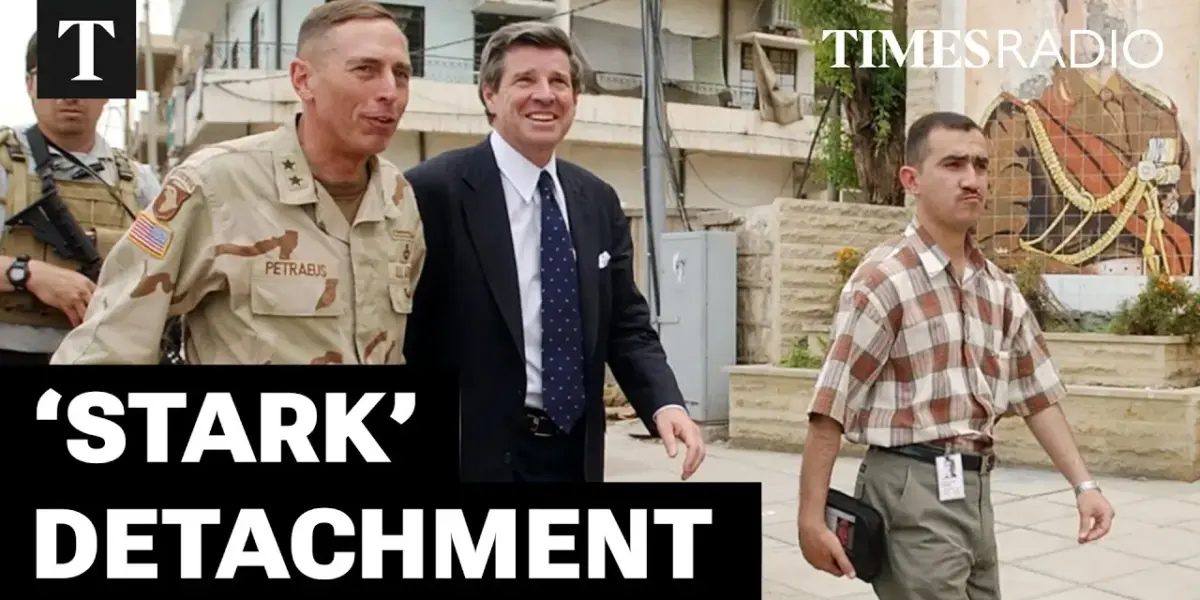
Ex-US Iraq Governor’s Emails Reveal Stark Psychological Detachment During Occupation
Newly uncovered personal emails from L. Paul Bremer III, the former U.S. Diplomat tasked with governing Iraq following the 2003 invasion, offer a stark glimpse into the psychological detachment and internal chaos that characterized the early days of the occupation. The cache of messages, discovered by academic Nick Davis and detailed in The Sunday Times, reveals a behind-the-scenes view of the U.S. Administration’s struggles to manage a country they had little prior knowledge of, highlighting a significant disconnect between the realities on the ground and the perspectives of those in power.
Discovery of a Hidden Archive
Nick Davis, a Cambridge graduate pursuing his Master’s at Yale University, stumbled upon the extensive collection of Bremer’s personal documents while researching archival material related to the Iraq War. Frustrated by the lack of readily available information at the Bush Presidential Library and state department archives, Davis contacted a library at Yale that housed a substantial physical archive.
His instincts were piqued by the sheer volume of documents, leading him to explore further. “I couldn’t have anticipated what I would find,” Davis stated, emphasizing the remarkable candidness of the released communications.
Bremer’s Extraordinary Authority
L. Paul Bremer III was appointed by President George W. Bush in May 2003 to lead the Coalition Provisional Authority (CPA) in Iraq.
His role was one of immense power, effectively governing a nation he had never visited before. A career diplomat plucked from retirement in the private sector, Bremer was thrust into an unprecedented act of post-invasion governance. His tenure was marked by significant controversy and challenges, and these newly revealed emails provide an extraordinary insight into his experiences and the internal workings of the CPA.
A Glimpse into the Chaos: The Abu Ghraib Incident
Among the most striking revelations are emails that blend the personal with the tragically dramatic. One such message, sent to Bremer’s wife, alludes to a serious incident at the Abu Ghraib prison: “Just heard we may have accidentally shot a reporter out at the Abu Ghraib prison this evening. Not a great way to end the day.” Davis elaborated on the incident, identifying the victim as Mazen Dana, a 43-year-old Palestinian cameraman for Reuters.
Dana was killed while documenting the ongoing activities at the prison. The fact that Dana is not mentioned again in subsequent emails, according to Davis, underscores what he described as the “incredibly stark the kind of psychological detachment that… seem to be an inevitable feature of occupation.” The emails suggest that even as violence occurred, those in positions of authority, like Bremer and his team, were often shielded from its immediate impact, continuing with their routines, such as attending dinner.
Clerical Pressure and Strategic Disputes
Another significant revelation from the emails concerns a strategic dispute with Iraq’s most senior Shia cleric, Grand Ayatollah Ali al-Sistani. The emails reveal Bremer’s concern over Sistani’s demand that the U.S.-led administration relinquish direct political control and hand over power to an elected provisional government. Bremer, along with key figures in the Bush administration like Colin Powell, Condoleezza Rice, and Donald Rumsfeld, strongly opposed this.
Their primary concern was the potential loss of control over political outcomes, specifically the assurance of legal immunity for U.S. troops operating in Iraq. “If we give in again to Grand Ayatollah Sistani we will lose whatever authority we have over the political process here,” one email reportedly states.
The Fear of Losing Control
The Bush administration’s reluctance to cede power stemmed from a desire to maintain a controlled transition. They favored an appointed provisional government, believing it would be more amenable to U.S. Interests.
The prospect of an elected government raised fears that such a body might not uphold the broad legal immunity granted to U.S. Soldiers, who were exempt from Iraqi law for actions taken within the country. Bremer’s correspondence indicates he was contemplating how Sistani’s persistent pressure might force a change in their meticulously planned course of action, highlighting the tension between the occupiers’ agenda and the aspirations of the Iraqi populace.
Broader Implications of the Occupation
The unearthed emails from Paul Bremer offer a critical, firsthand account of the complexities and internal conflicts faced by the U.S. Administration during the post-invasion period in Iraq. They expose a level of detachment and a struggle for control that have been subjects of intense debate and analysis.
The candid nature of these personal communications provides a valuable historical document, shedding light on the decision-making processes and the psychological impact of managing a complex occupation. The discovery is a potent reminder of the challenges inherent in nation-building and the profound consequences of imposing external governance.
Looking Ahead
The revelations from Bremer’s emails are expected to fuel further discussion and re-examination of the Iraq War and its aftermath. As more details emerge from this significant archive, historians and policymakers will undoubtedly scrutinize these insights to better understand the critical decisions made during a pivotal period. The ongoing analysis of these documents promises to offer a more nuanced understanding of the psychological and strategic dynamics that shaped the U.S. Occupation of Iraq.
Source: US-Iraq: Former US Diplomat’s Letters Reveal ‘Stark’ Psychological Detachment During Occupation (YouTube)

Related Articles
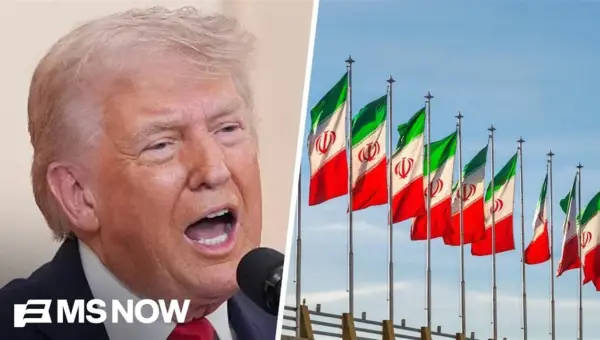
U.S.-Iran Talks Hinge on Verification, Not Trust, Expert Says
Negotiations between the U.S. and Iran are complicated by a significant trust deficit, with experts emphasizing the importance of verification over mutual trust. Both nations are reportedly seeking an exit from current tensions, but differing timelines and internal divisions, particularly within Iran, complicate potential agreements. The focus appears to have shifted from initial U.S. goals to practical issues like opening trade routes, while the fate of American hostages remains a concern.
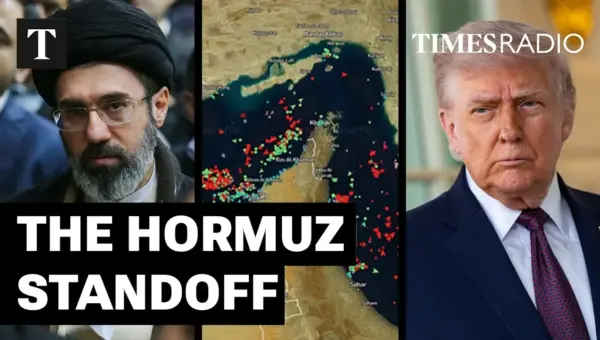
Strait of Hormuz: US and Iran Both Hold Key to Open Waters
The Strait of Hormuz, a vital global oil route, is effectively controlled by both the U.S. and Iran, requiring mutual agreement for open passage. Diplomatic efforts are stalled amidst escalating tensions, with both nations asserting control through actions like blockades and vessel seizures. Experts predict a negotiated resolution within weeks, though ensuring safe passage will remain a challenge.

Ukraine Eyes ‘Donnyland’ Rename to Win Trump’s Support
Some Ukrainian officials are reportedly considering renaming a portion of the Donbas region 'Donnyland' in an effort to win favor and aid from former U.S. President Donald Trump. This unconventional strategy is inspired by past instances where naming conventions or gifts appeared to influence Trump's decisions. The move highlights Ukraine's urgent need for support in its ongoing conflict with Russia.