Iran Succession Looms Amid US Military Deaths, Backlash
Iran's Assembly of Experts is reportedly nearing a decision on the next Supreme Leader, with speculation mounting that Mostafa Khamenei, the hardliner son of the late Ayatollah, is the frontrunner. This potential succession occurs amid heightened tensions with the U.S. and renewed threats from Israel, while domestically, the Trump administration faces backlash over recent American military deaths in the region.

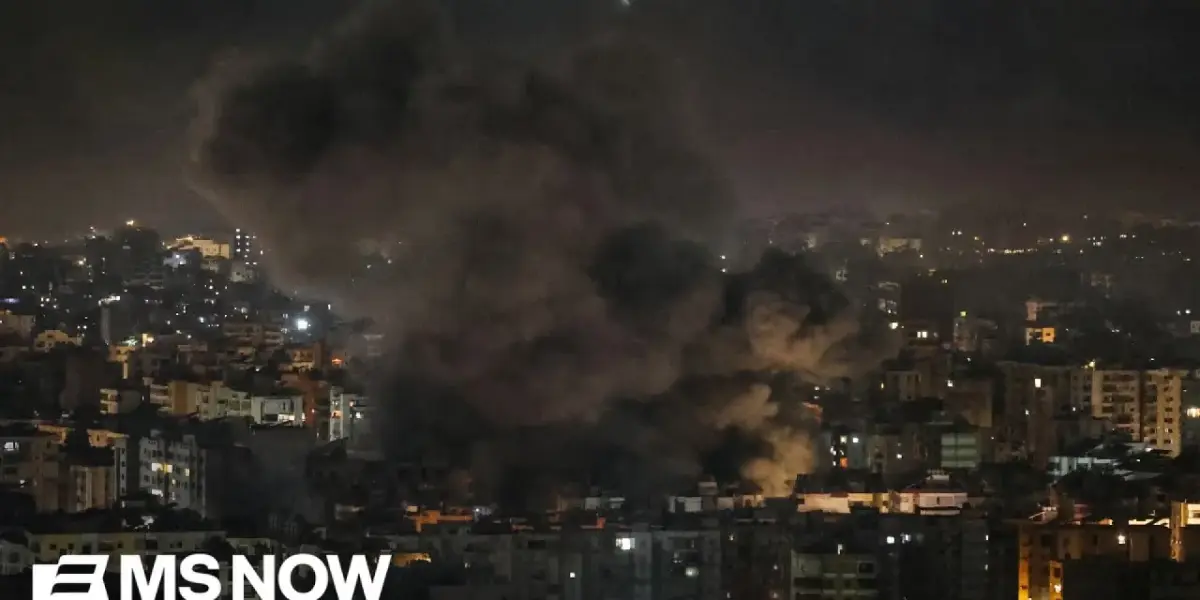
Iran’s Assembly of Experts Nears Decision on Supreme Leader Succession
TEHRAN – Iran’s clerical body responsible for electing the nation’s next Supreme Leader may be close to reaching a consensus, according to reports from Iranian media. The Assembly of Experts, a powerful group of clerics, is reportedly deliberating on a successor to the late Ayatollah Ali Khamenei. However, obstacles remain, including debates over the format of the official announcement, with some suggesting a virtual meeting due to ongoing security concerns and attacks on Tehran.
The potential succession comes at a highly charged moment, with the United States, under President Trump, expressing a desire to influence the outcome. While no official announcement has been made, a senior cleric indicated to Iranian media that the chosen candidate aligns with the late Supreme Leader’s philosophy of being ‘hated by the enemy instead of being praised by it.’ This cleric notably referenced the ‘great Satan,’ the U.S., as having mentioned the favored candidate’s name, sparking speculation about his identity.
Hardliner Son Emerges as Top Contender, Signaling Continued Anti-Western Stance
Widespread speculation points to Mostafa Khamenei, the second son of the late Supreme Leader, as the leading contender. A hardliner deeply aligned with his father’s views, his potential ascension would signal to the U.S. that Iran is not pursuing regime change and intends to intensify its anti-Western, anti-U.S., and anti-Israel policies.
This prospect has drawn strong reactions from the U.S. and Israel. President Trump has publicly stated that Mostafa Khamenei would be an ‘unacceptable choice,’ while Israeli officials have repeatedly vowed to target whoever succeeds the Ayatollah.
“The Israelis, you know, continuing to threaten going after whoever the next leader will be.”
The Israel Defense Forces (IDF) reinforced these threats on social media, stating in Farsi that they would pursue anyone involved in appointing the Ayatollah’s successor. Both the U.S. and Israel have called for regime change in Iran and urged the Iranian people to seize the current opportunity, though the extent of their mobilization within Iran remains unclear.
US Faces Scrutiny Over Military Deaths Amidst Iran Tensions
The escalating tensions with Iran have been overshadowed by domestic criticism regarding the Trump administration’s handling of recent American military deaths. The loss of U.S. Servicemen and women has ignited a political firestorm, with critics questioning the administration’s strategy and preparedness. The cost of the ongoing conflict, coupled with economic concerns such as job losses and rising gas prices, has put President Trump on the defensive as the midterm elections approach.
Political analysts and former officials have voiced concerns about the administration’s inability to articulate a clear rationale for the conflict or a cohesive message for the midterms. The deaths of American troops have become a focal point, with accusations that the administration is downplaying the events to avoid negative political fallout.
Administration Defends Actions, Critics Point to Incompetence and Lack of Preparation
Secretary of Defense Pete Hegseth has suggested that reporting on the deaths is politically motivated, aimed at making President Trump look bad. He argued that the administration has effectively controlled Iran’s airspace and waterways, asserting that the few drone incidents or tragic events that occur are disproportionately highlighted by the press. However, former Democratic Congressman Conor Lamb, a Marine veteran, countered this view, stating that the press is accurately reporting the situation and that the administration’s leadership is unprepared.
“Those troops that were killed should have been in a secured building that would be an elementary thing for them to have prepared for but they weren’t prepared and I I THINK THE REALITY IS, THEY SUSPECT THAT MORE OF THIS IS COMING AND THAT’S WHY THEY DIDN’T LOWER THE FLAGS TO HAVE STAFF AND WHY THEY HAVEN’T REALLY WANTED TO TALK ABOUT THESE DEATHS.”
Lamb criticized the lack of basic security measures for the troops and suggested that the administration’s reluctance to publicly acknowledge and honor the fallen stems from a fear of highlighting their own incompetence and the potential consequences of their policies. The President’s seemingly detached reaction when questioned about the possibility of further troop transfers from Dover Air Force Base has also drawn criticism, underscoring concerns about his approach to the gravity of wartime casualties.
Broader Implications: Alliances, Accountability, and the Path Forward
The current situation raises broader questions about the U.S.’s role in the Middle East, its relationships with key allies, and the administration’s foreign policy. President Trump’s recent remarks questioning the need for allies like the United Kingdom in the conflict have been met with alarm. Former officials emphasize the historical importance of alliances, particularly in complex military engagements, and warn that going it alone weakens the U.S. Position and potentially increases costs and risks.
Democrats are aiming to tie the various issues – from the costs of the Iran conflict and tariffs to healthcare and job losses – into a cohesive argument for accountability. Congressman Lamb advocates for a simple message: that much of the damage is self-inflicted and can be reversed by repealing tariffs, restoring healthcare subsidies, and exiting the war, returning the decision-making power to Congress. The long-term consequences of the administration’s actions extend beyond the upcoming midterm elections, impacting the nation’s standing and security.
What’s Next: Monitoring Iran’s Succession and US Policy Response
As Iran moves closer to naming its next Supreme Leader, the international community, particularly the U.S. and its allies, will be closely watching for any shifts in policy or rhetoric. The domestic political fallout from the recent U.S. military deaths and the administration’s response will continue to be a significant factor in the lead-up to the midterms. The effectiveness of the Democratic strategy in connecting these disparate issues to hold the administration accountable remains to be seen.
Source: ‘They suspect more is coming’: Trump admin. Faces backlash over American military deaths in Iran (YouTube)

Related Articles

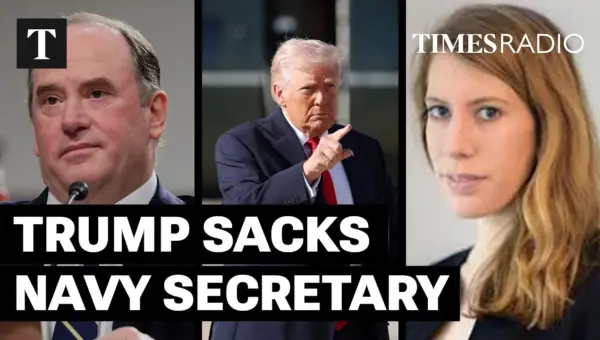
Navy Secretary Departs Amid Tensions with Iran
U.S. Navy Secretary John Felon is departing the Trump administration amidst escalating tensions with Iran and a standoff in the Strait of Hormuz. The move fuels speculation about internal disagreements over foreign policy as domestic pressures and criticism from media figures mount. The administration's strategy appears focused on economic sanctions to pressure Iran into negotiations.

Bill to Gut Wildlife Protections Pulled Amid Public Outcry
A bill to weaken the Endangered Species Act was unexpectedly pulled from the House floor on Earth Day, following significant public outcry. Meanwhile, a controversial decision to exempt the oil and gas industry from protecting endangered species in the Gulf of Mexico, including the critically low Rice's whale, is facing legal challenges.

Trump’s Iran Policy Lacks an Exit: A Risky Gamble
The U.S. faces a tense standoff with Iran, marked by a lack of a clear exit strategy and potential for escalation. Iran's actions in the Strait of Hormuz and threats to vital infrastructure raise concerns about regional stability and humanitarian impact.