US, Israel Iran Strikes Questioned: Legality Under Fire
The legality of US and Israeli strikes on Iran is under intense scrutiny, with experts arguing the actions lack a basis in international law. The potential for regime change as a goal and the shifting justifications raise concerns about a "fundamental rupture" in the global legal order, with significant reputational and potential future consequences for the involved nations.

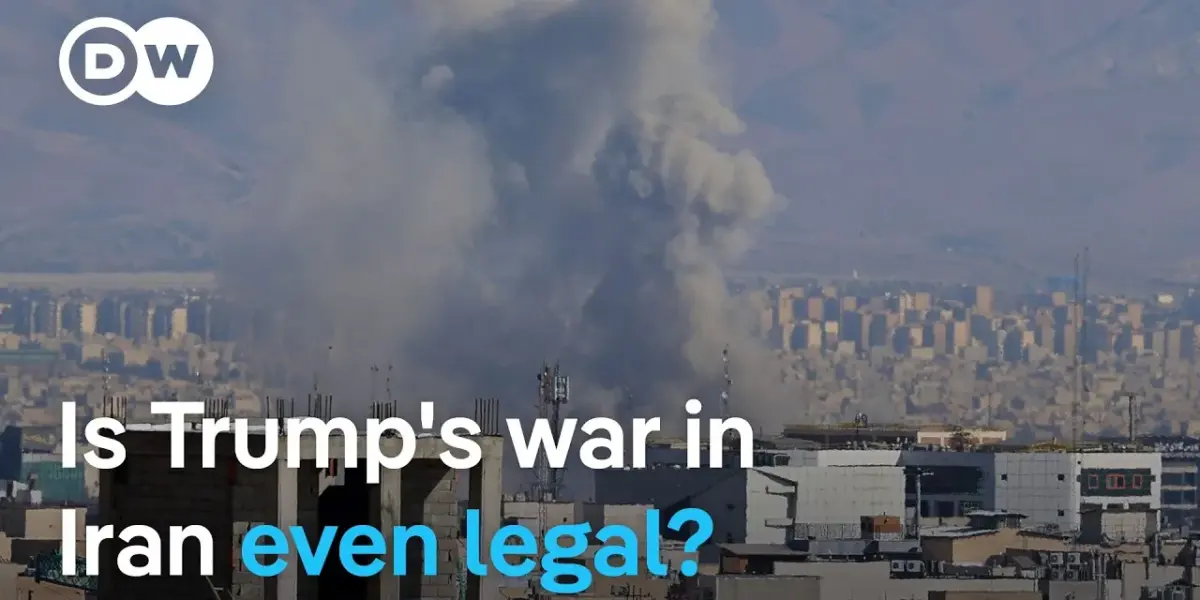
Global Order at Risk as US and Israel Launch Strikes on Iran
The United States and Israel have launched a series of strikes against Iran, with the Trump administration hinting at regime change as a primary objective. However, the legal basis for these actions is facing intense scrutiny, raising concerns about a potential “fundamental rupture” in the international legal order. Experts argue that the strikes, lacking UN Security Council authorization and a clear basis in self-defense, are unlawful and could have significant long-term consequences for global stability.
The UN Charter and the Prohibition of Force
The United Nations Charter is explicit: member states are prohibited from threatening or using force against the territorial integrity or political independence of any state. This principle forms the bedrock of the post-World War II international legal framework, designed to prevent the kind of widespread conflict that led to devastating global wars.
Under international law, there are limited exceptions to this prohibition. The use of force is permissible under two main conditions:
- UN Security Council Authorization: When the Security Council, comprising all its member states, agrees to authorize collective security action. This was the case during the first Gulf War in 1990, when a UN resolution empowered member states to use force to liberate Kuwait from Iraqi invasion.
- Self-Defense: In instances of an armed attack or an imminent threat that leaves no room for deliberation. The US invasion of Afghanistan in 2001, framed as an act of self-defense against terrorist networks responsible for the 9/11 attacks, is often cited as an example.
Regime Change: A Legally Unsound Objective
The transcript highlights that regime change, while hinted at by President Trump as a potential goal, is not a legally recognized justification for initiating war under international law. Professor Marco Milanovich, a professor of international law at the University of Reading, England, states unequivocally, “There is simply no case that these strikes are lawful. The strikes are on the contrary completely unlawful.” He further elaborates that the strikes were not authorized by the Security Council, and neither Israel nor the United States can legitimately rely on the right to self-defense for unilateral military action against Iran.
The experiences of past interventions, such as in Iraq, Libya, and Afghanistan, serve as stark warnings about the potential for unintended consequences and prolonged instability when regime change is attempted through military force. Even when framed as self-defense, the threshold for preemptive action is exceptionally high, requiring evidence of an immediate and overwhelming threat, as noted by experts who have not seen such evidence regarding Iran’s missile capabilities.
Shifting Rationales and Eroding Norms
The stated reasons for the US and Israeli actions against Iran have reportedly shifted, initially focusing on Iran’s nuclear and missile programs as an imminent threat, and later including the crackdown on protesters. This shifting rationale, coupled with the absence of a clear legal basis, undermines the credibility of the justifications provided.
Professor Milanovich warns that the repeated use of force without strict adherence to international law, particularly regarding self-defense, risks normalizing preemptive wars and eroding the very foundations of the international legal order. He describes the current situation as a “deterioration and crisis, if not outright disintegration” of the norms that prohibit the use of force between states, a regime painstakingly built after two world wars.
“The US choosing to go to war without a clear legal basis could mark a real turning point for the international order.”
– DW News Report
Accountability and the Double Standard Dilemma
The question of accountability for alleged violations of international law is a complex one. The UN Security Council, the primary body for maintaining international peace and security, is hampered by the veto power held by permanent members, including the United States. This paralysis was evident in the response to Russia’s invasion of Ukraine, where the Security Council was unable to take decisive action.
While some states may impose economic sanctions or other measures, as seen in the case of Russia, the transcript suggests that direct consequences for the US and Israel are unlikely, partly due to Iran’s own history of international law violations and its limited number of allies. The primary consequences, experts argue, are reputational, damaging the credibility of the involved nations and the international legal system itself.
The issue of double standards in the application of international law is also a significant concern. Professor Milanovich acknowledges that hypocrisy is common among states, not just Western ones.
However, he points out that historically, nations have at least attempted to provide plausible justifications for their actions. The current approach, characterized by a perceived systematic erosion of commitment to legal constraints by both the Trump administration and the Netanyahu administration, is seen as a particularly threatening phenomenon.
Deterrence vs. Self-Defense: Legal Interpretations
The argument that strikes are necessary to “restore deterrence” is not recognized as a legal justification for the use of force under international law. As Professor Matias Goldman, an international law expert at EBS Law School, explains, the only recognized right to armed force is in self-defense, which requires an actual attack. Unilateral strikes intended solely to deter a potential future attack are prohibited.
Similarly, the scope of self-defense is strictly interpreted. Allowing preemptive strikes based on a mere possibility or a low probability of a future attack would lead to “endless violence” and undermine the UN Charter’s purpose of de-escalating conflicts.
Potential Consequences and the Future of International Law
While direct enforcement mechanisms may be limited, the legal ramifications for the US and Israel could include significant reputational damage, impacting their ability to forge international agreements and conduct negotiations. Third states may take unilateral actions. Spain, for instance, has prohibited the use of its military bases by the US for operations violating international law, and similar constitutional challenges could arise in other European nations.
In the long term, reparation claims could also emerge. The erosion of norms governing the resort to force, and potentially the law of armed conflict, carries systemic risks. The transcript concludes with a somber warning: the failure of states to react rigorously to violations of international law contributes to its disintegration, potentially leading to a world where such rules no longer meaningfully constrain state behavior, with dire consequences for global peace and security.
What to Watch Next
The international community will be closely observing the responses of other nations, particularly key US allies, to the ongoing actions in Iran. The extent to which international bodies and individual states hold the US and Israel accountable, or indeed challenge their legal justifications, will be a critical indicator of the future strength and relevance of the international legal order. The potential for further escalation and the long-term impact on global norms governing the use of force remain the most significant concerns.
Source: Questions remain over the legality of the US and Israel's war on Iran | DW News (YouTube)

Related Articles

Trump’s Firm Stance Could Force Iran’s Hand
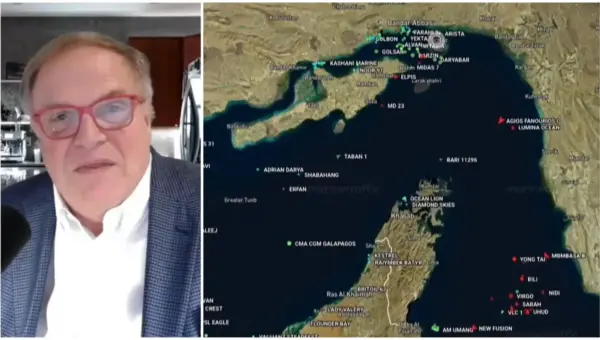
America's patience with Iran may be running out as repeated agreement breaches continue. Analyst Gan Valentino suggests that former President Trump's firm stance could force Iran's hand, potentially leading to military action if a deal isn't reached this week. The situation highlights long-standing geopolitical tensions and the complex future of Iran's governance and its role in the region.


US Weighs Cuba Invasion Amidst Economic Crisis
The U.S. is reportedly weighing military options for Cuba amidst a severe economic crisis. Reports suggest the Pentagon is preparing for potential operations, while Cuba urges its citizens to prepare for conflict. Experts question the timing of U.S. intervention.

Ukraine Fights On Amid Shifting US Support
Ukraine demonstrates growing self-reliance amidst shifting U.S. support, bolstered by EU aid and its own emerging military tech exports. Russia's demands remain firm, while Iran leverages control of the Strait of Hormuz. President Trump faces domestic and foreign policy challenges.