China’s Undersea Spy Drone Surfaces in Indonesian Waters
A Chinese underwater drone found in Indonesia's Lombok Strait raises alarms about Beijing's surveillance. The device, marked with CSIC, suggests a potential role in China's undersea monitoring network. This incident highlights growing concerns over foreign underwater activities in critical Indo-Pacific waterways.

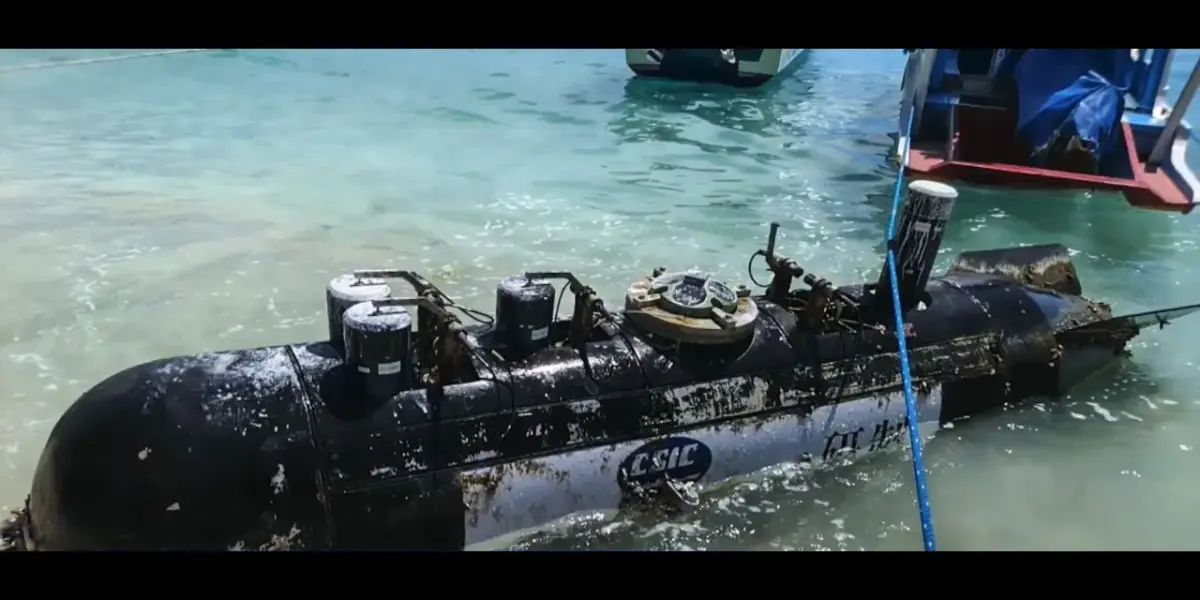
China’s Undersea Spy Drone Surfaces in Indonesian Waters
An Indonesian fisherman recently discovered a Chinese underwater drone near the vital Lombok Strait. This finding is stirring concerns about China’s expanding underwater surveillance activities in a strategically important region. Analysts suggest this device is likely part of Beijing’s network to monitor this critical waterway.
The object, described as a large, torpedo-shaped device, was found by a fisherman last week. It bears the distinctive logo “CSIC,” which stands for China Shipbuilding Industry Corporation. This marks a significant development in the ongoing discussions about maritime security and foreign surveillance in the Indo-Pacific.
A Sensitive Strategic Location
The Lombok Strait is a crucial passage, sitting between the Indonesian islands of Lombok and Bali. It is a key route for naval and commercial shipping.
For countries like Australia and the United States, along with their allies, this strait is highly valuable. It is often viewed as an important alternative to the heavily trafficked Strait of Malacca.
The strait’s deep waters make it particularly attractive for advanced naval operations. China’s nuclear-powered submarines and large warships could potentially use this area. The presence of a Chinese drone here suggests a possible interest in seabed mapping or intelligence gathering related to submarine movements.
Unpacking the Drone’s Purpose
Maritime defense analysts believe the drone is connected to China’s extensive undersea monitoring network. Specifically, it may belong to the Chinese 710 Research Institute, which is part of CSIC. This institute focuses on underwater attack and defense technologies, further fueling suspicions about the drone’s purpose.
The drone could have been used for various intelligence operations. These might include mapping the seabed, monitoring ship traffic, or gathering data on underwater currents and acoustic conditions. Such information is vital for naval planning and understanding an adversary’s capabilities.
Broader Concerns and Regional Reactions
This incident highlights growing concerns among nations about China’s increasing undersea activities. Experts warn that unauthorized underwater operations by Beijing raise serious security questions, especially given the significant difference in underwater defense capabilities between China and many regional countries.
Indonesia has stated it will continue its investigation into the drone. However, the country adopted a quiet diplomatic approach to a similar incident in 2020. This measured response might be influenced by the strong economic ties between Indonesia and China, as China is Indonesia’s largest trading partner.
Historical Context and Future Outlook
Undersea surveillance and mapping have become increasingly important in modern military strategy. Nations are investing heavily in underwater technologies to gain an advantage.
The Indo-Pacific region, with its vast coastlines and critical shipping lanes, is a prime area for such activities. This drone discovery is not an isolated event but part of a larger trend of nations seeking to understand and influence the underwater domain.
The Lombok Strait has long been recognized for its strategic importance. Its depth and location make it suitable for submarine operations, and its role as an alternative to the Malacca Strait amplifies its significance. China’s interest in this waterway is understandable from a strategic perspective.
The incident prompts a closer look at how nations will respond to perceived incursions into their maritime territories. The balance between maintaining diplomatic relations, particularly with major trading partners, and addressing national security concerns will be crucial.
Why This Matters
This discovery is significant because it points to China’s growing capabilities and intentions in the undersea domain. It raises questions about maritime sovereignty and the potential for espionage in a region vital for global trade and security. The presence of a Chinese drone near a critical waterway highlights the complex geopolitical dynamics at play in the Indo-Pacific.
For Indonesia, this incident is a delicate balancing act. They must investigate and assert their sovereignty while managing their relationship with a major economic partner. The outcome of their investigation and subsequent actions could set a precedent for how similar incidents are handled in the future.
The broader implications extend to all nations relying on free and open maritime passage. It highlights the need for enhanced maritime domain awareness and robust underwater defense capabilities across the region. The ongoing development of underwater technology means such incidents may become more frequent.
Indonesia has committed to continuing its investigation into the drone. This ongoing process will be closely watched by regional powers and international observers alike.
Source: Indonesia Finds Chinese Drone Near a Key Waterway (YouTube)

Related Articles

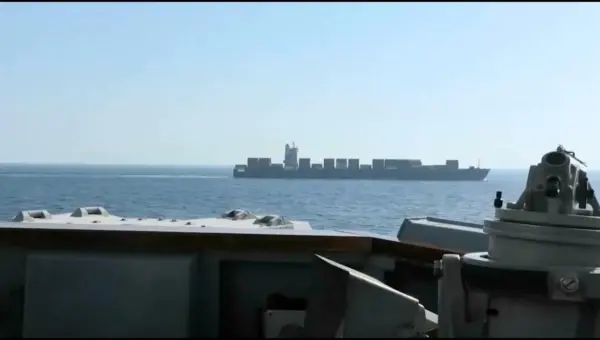
US Navy Sinks Iranian Ship in Gulf of Oman Standoff
U.S. Marines have seized an Iranian-flagged cargo ship in the Gulf of Oman after it attempted to bypass an American blockade. President Trump announced the vessel was disabled by a hole in its engine room and is now under U.S. Treasury sanctions for prior illegal activities. This incident escalates ongoing tensions and highlights maritime enforcement efforts in the region.

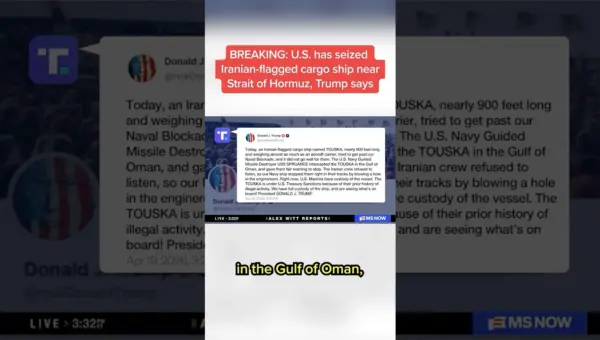
US Navy Seizes Iranian Ship Near Hormuz Strait
The U.S. Navy has seized an Iranian-flagged cargo ship near the critical Strait of Hormuz. Former President Donald Trump announced the interception on Truth Social, stating the vessel damaged its engine room while attempting to pass a blockade. The incident raises concerns about regional stability and global oil supply routes.

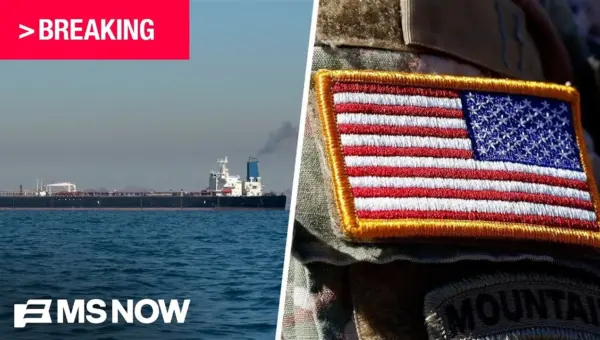
US Navy Seizes Iranian Ship After Engine Room Breach
The U.S. Navy has seized an Iranian-flagged cargo ship, the Tosan, after it attempted to pass through a naval blockade in the Strait of Hormuz. President Trump announced the incident, detailing how the ship was intercepted and disabled by U.S. forces when its crew refused to comply. The vessel and its crew are now in U.S. custody.