Ukraine Fights On Amid Shifting US Support
Ukraine demonstrates growing self-reliance amidst shifting U.S. support, bolstered by EU aid and its own emerging military tech exports. Russia's demands remain firm, while Iran leverages control of the Strait of Hormuz. President Trump faces domestic and foreign policy challenges.

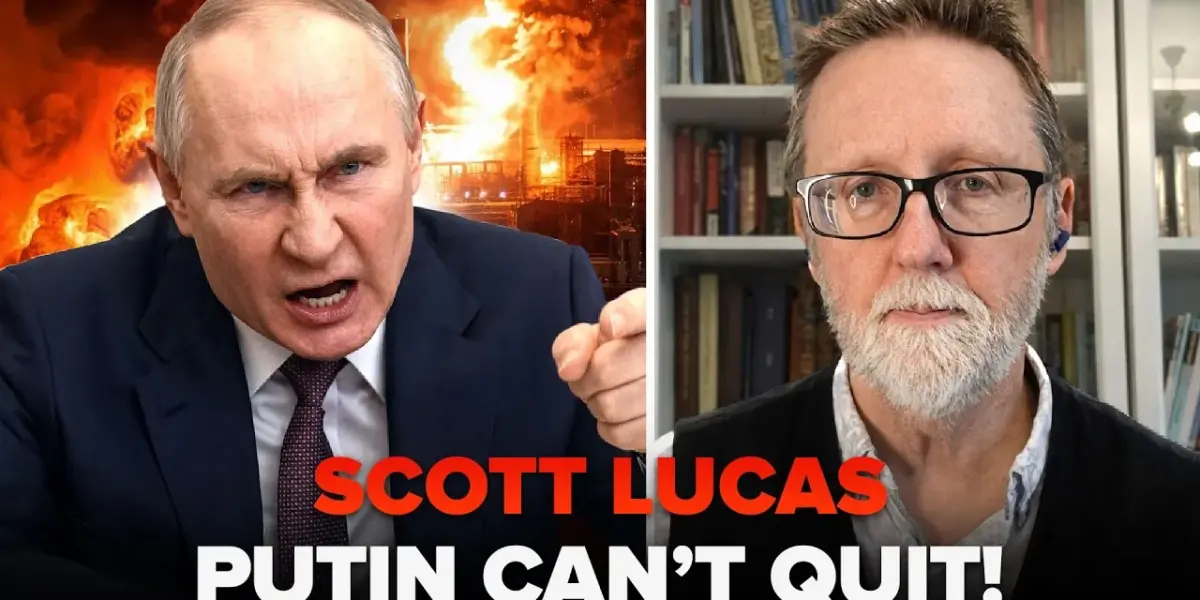
Ukraine Fights On Amid Shifting US Support
Ukraine is demonstrating resilience and a growing capacity for self-reliance, even as the United States faces complex foreign policy challenges. The European Union has stepped up with significant financial aid, and Ukraine itself is emerging as a potential exporter of military technology. This comes at a time when the U.S. political landscape is causing uncertainty about future support.
Russia, according to analysts, is unlikely to accept a ceasefire that does not grant them significant territorial gains. They also appear unwilling to provide Ukraine with full security guarantees or support its reconstruction. This stance suggests a continued effort to keep Ukraine militarily and economically weak.
Russia’s Unwavering Demands
The Kremlin’s position indicates a desire to secure all of the Donetsk region. They also seem resistant to offering robust security assurances to Ukraine. This approach aims to maintain a strategic advantage by preventing Ukraine from becoming a strong, independent security partner.
This strategy is seen by some as a signal to the United States, urging continued support. The message is that Ukraine is the party genuinely seeking a settlement. However, the unspoken condition for reaching such a settlement is through strength, not by yielding to Russian demands.
The Path to Settlement Through Strength
Reaching a settlement with Russia requires maintaining Ukraine’s strength. This means reinforcing front lines and establishing a ceasefire based on current positions. Ukraine would retain its current territory, including fortified areas.
Meaningful security guarantees for Ukraine are crucial, ideally with U.S. involvement. If a peace agreement is deemed impossible, there is a concern that some U.S. political factions might withdraw their support. This could lead to a reduced U.S. commitment, potentially even a re-establishment of economic ties with Russia.
The Strait of Hormuz Standoff
Separately, the U.S. has reportedly imposed a naval blockade on Iranian ports, a move aimed at pressuring Iran. The effectiveness and viability of such a measure are being questioned, especially given recent transits through the Strait of Hormuz by ships carrying Iranian cargo.
Enforcing such a blockade would require a significant naval presence, including destroyers and aircraft carrier groups. Clearing potential mines within the strait presents a complex logistical challenge. This situation highlights Iran’s leverage through its control of the Strait of Hormuz, a critical global energy chokepoint.
Iran’s Strategic Leverage
Iran’s control over the Strait of Hormuz provides significant leverage in negotiations. Despite potential military actions against Iran, its ability to disrupt global trade through the strait remains a powerful bargaining chip.
This leverage allows Iran to counter demands regarding its nuclear program or ballistic missile development. The U.S. response has varied, from threats of military action to acknowledging the importance of the strait in negotiations. Realizing the need to secure a settlement, the U.S. must address Iran’s control over this vital waterway.
Economic Ripples of Blockade
A blockade on Iranian ports could further disrupt the global economy, particularly oil and gas markets. While the U.S. might seek to seize and sell Iranian oil, this could destabilize market expectations.
A more ambitious goal could involve not only blockading Iranian ports but also securing shipping lanes for vessels from non-Iranian ports. This would aim to increase energy supplies to the market by freeing up tankers previously stranded. However, the capability to simultaneously blockade and escort shipping remains a significant question.
US President Trump’s Dilemma
President Trump faces a difficult situation, potentially trapped by his foreign policy choices. Several domestic issues, including immigration policy and the ongoing Epstein file revelations, add to his challenges.
The economy, already strained, has been further impacted by the conflict with Iran. The decision to engage in this conflict is seen by some as a war of choice, particularly as negotiations with Iran were ongoing prior to escalation.
Ukraine’s Emerging Strength
Despite the complexities of U.S. foreign policy, Ukraine is showing remarkable strength. The European Union has committed substantial financial aid, such as a 90 billion euro loan, independently of U.S. support.
Ukraine’s ability to defend itself is increasingly evident, with President Zelenskyy suggesting the nation could become an exporter of military technology. This shift is partly due to successful diplomatic outreach, including to Gulf States, which may provide energy and financial support.
A Shift in European and Ukrainian Momentum
The mood in Ukraine has shifted from one of deep concern during the winter to a more optimistic outlook. Despite the ongoing conflict, Ukraine has weathered the challenges and is entering spring with renewed strength.
This projected strength is seen as contagious, encouraging further international support. Developments such as the defeat of pro-Kremlin allies in Hungary and continued Ukrainian strikes on Russian infrastructure contribute to a positive momentum.
Source: ⚡️Putin CORNERED! Endgame EXPOSED — no MERCY @WorldatStake24 (YouTube)

Related Articles


Spain, Latin America Forge New Alliance Against US Hegemony
Spain and Latin American nations are forging new alliances, creating a united front against US global influence. This growing bloc, highlighted by a summit in Barcelona, seeks to reduce dependence on American policies and assert greater regional autonomy. The shift signals a changing world order where middle powers are consolidating economic leverage.


US Warns Iran on Strait of Hormuz Actions
The U.S. military has issued a strong warning to Iran regarding actions in the Strait of Hormuz. Following IRGC attacks on merchant ships, Washington signaled potential precision strikes on Iranian infrastructure if diplomatic efforts fail. Advanced drones are providing real-time intelligence, underscoring readiness for escalation.


Ukraine Gains Momentum, Russia Faces Growing Losses
Evidence suggests Ukraine has gained battlefield momentum, inflicting significant losses on Russia and challenging earlier predictions of victory. Ukrainian strikes on Russian oil refineries and naval assets are weakening Moscow's war-fighting capabilities. Localized ground successes further indicate a shifting balance in the conflict.