Trump’s Foreign Policy: A Chaotic Dance of Distraction and Inaction
An analysis of Donald Trump's foreign policy, as exemplified by a Doral, Florida event, reveals a pattern of superficial engagement and a lack of sustained strategy. Critics argue this approach, marked by perceived ADHD-like tendencies and a disregard for human cost, undermines global stability.

Trump’s Foreign Policy: A Chaotic Dance of Distraction and Inaction
The recent address by Donald Trump and his foreign policy team, featuring figures like Pete Hegseth and Marco Rubio, in Doral, Florida, offers a stark and, according to critics, deeply concerning glimpse into the former president’s approach to international affairs. Far from a coherent strategy, the event appears to have underscored a pattern of superficial engagement, a lack of follow-through, and a concerning disregard for the human cost of conflict, all framed by what some observers diagnose as a form of attention-deficit hyperactivity disorder (ADHD) in decision-making.
The ADHD Theory of Foreign Policy
The central thesis presented by critics is that Donald Trump’s foreign policy operates not on established ideological principles, but on a kind of restless, unfocused energy. This perspective, often labeled the “ADHD theory of foreign policy,” suggests that Trump’s approach is characterized by a rapid succession of country-specific fixations – Greenland, Canada, Venezuela, Iran, and now Cuba – without the sustained effort required to resolve complex international issues.
The argument is that this constant shifting of focus, driven by narcissism or, as some suggest, a more clinical condition, prevents any meaningful progress and leaves a trail of unresolved conflicts and unfulfilled promises. This is not a new observation; the transcript highlights previous discussions on the “Adam Mockler feed” positing that Trump “doesn’t have any core ideological principles” and “doesn’t even actually care about Iran or have a plan.”
A Bumbling Ensemble of Incompetence?
The individuals surrounding Trump in these foreign policy discussions are painted in an equally unflattering light. Pete Hegseth, in particular, is singled out for criticism. His public persona, characterized by what the transcript calls “faux masculine posture” and a dismissive attitude towards multilingualism (famously stating, “Oh, we only I only speak American” when Marco Rubio spoke Spanish), is presented as emblematic of a broader lack of sophistication and competence.
The transcript describes the group – Trump, Hegseth, and Rubio – as an “impressively unimpressive group of bumbling idiots” tasked with managing foreign affairs. While Marco Rubio is acknowledged as the “only semi-respectable person on this stage,” even he is accused of having “sold his soul for the MAGA-fication of our country, the Trump-ification of the Republican party.” This assessment suggests a deep disillusionment with the quality and conviction of those involved in shaping American foreign policy under Trump’s influence.
The Specter of War and Unresolved Conflicts
A particularly alarming aspect of the discussion centers on the casual manner in which war and conflict are discussed. The transcript points to Trump’s comments regarding the deaths of US service members in Iran, where he is quoted as saying, “When it comes to war, there’s always that. This dude just has no empathy.
He has time and time again said, ‘It’s like that. It happens.
Um, this is the cost.'” This perceived lack of empathy is seen as deeply troubling, especially when juxtaposed with Trump’s seemingly eager pronouncements about taking on new challenges, such as Cuba. Critics argue that Trump is “already laying the pretext to start another war” without having “even finished this war where six US service members died.” The idea that Trump might take “about two days off” before tackling Cuba, or even just “one hour off,” highlights the perceived flippancy with which he approaches military engagements and the lives of those involved.
Historical Context and the Monroe Doctrine
The event also touched upon historical doctrines, with Pete Hegseth referencing the “Trump corollary of the Monroe Doctrine.” This invocation of a long-standing US policy towards the Western Hemisphere, now seemingly reinterpreted under Trump, raises questions about a potential resurgence of interventionist policies. The “America’s Counter Cartel Coalition” initiative is also mentioned, though critically, as the transcript points out the perceived hypocrisy of focusing on the Western Hemisphere while simultaneously engaging in conflicts elsewhere, such as with Iran. The mention of “Western Christian civilization” by Hegseth further adds a layer of ideological framing that critics find divisive and anachronistic.
The Visual Narrative: Sleepy Leader, Cringeworthy Jester
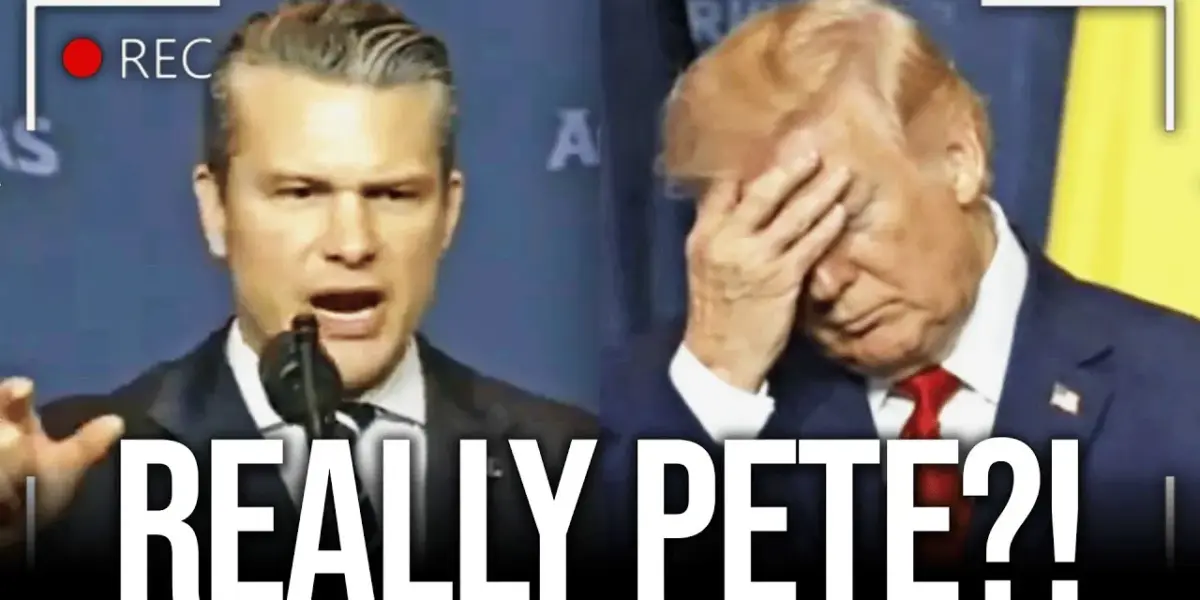
Beyond the rhetoric, the visual cues from the event are also analyzed. Donald Trump appearing to fall asleep during Hegseth’s remarks is highlighted as a potent symbol of disengagement and a lack of seriousness. This image is described as “illustrative of the Trump administration” and “incredibly scary,” suggesting a leader who is not fully present or invested in the matters at hand.
Pete Hegseth’s attempt at a joke about speaking “American” after Rubio’s Spanish remarks is met with an “audible lack of laughs from the audience,” leading to a “physically cringe” reaction. This moment is presented as a low point, a “dumbass comment” that highlights the perceived awkwardness and lack of gravitas of the assembled figures.
Why This Matters
The implications of this style of foreign policy leadership are profound. It suggests a foreign policy driven by impulse rather than strategy, potentially leading to unpredictable international relations and missed opportunities for genuine diplomatic progress. The perceived lack of empathy for fallen soldiers and the casual discussion of war raise ethical concerns about the value placed on human life.
The “Trumpification” of the Republican party, as described, indicates a broader ideological shift that prioritizes loyalty and a particular brand of nationalistic rhetoric over traditional conservative foreign policy principles. The reliance on personalities over policy, and the seeming disregard for the complexities of global affairs, could leave the US isolated and its interests undermined on the world stage.
Trends and Future Outlook
This event, as depicted, reinforces a trend of personality-driven politics encroaching upon serious policy domains. The critique of Trump’s foreign policy as ADHD-like suggests that future engagements may continue to be marked by a lack of sustained commitment and a tendency to pivot rapidly to new issues.
The portrayal of key figures like Hegseth and Rubio as either incompetent or compromised raises questions about the caliber of individuals willing to align themselves with such an approach. Looking ahead, the effectiveness of American foreign policy will likely depend on whether a more structured, empathetic, and strategically grounded approach can regain prominence, or if the current model of disruptive, personality-focused engagement will continue to define the landscape.
Source: Hegseth Humiliates Trump In Front of EVERYONE (YouTube)

Related Articles
Trump’s Iran Gamble: A Risky War Fueled by Distraction?
Tensions with Iran are escalating, with the Strait of Hormuz at risk and diplomatic talks faltering. Analyst Maryanne Williamson suggests the conflict may be a distraction from domestic issues and criticizes the U.S. government's long-standing reliance on military force over diplomacy. The situation raises serious questions about leadership, strategy, and the human cost of war.
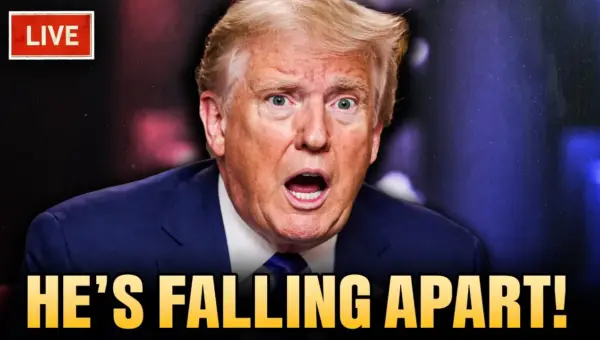
Trump’s Erratic Behavior Fuels Global Unease, Domestic Doubts
Donald Trump's recent public statements and actions are causing significant concern among world leaders and raising questions at home. His frequent outbursts on Truth Social, particularly regarding international affairs, suggest a leader under immense pressure. These displays often come across as desperate attempts to project strength while privately facing considerable challenges.
Trump’s Power Grabs: Allegations of Abuse Surface
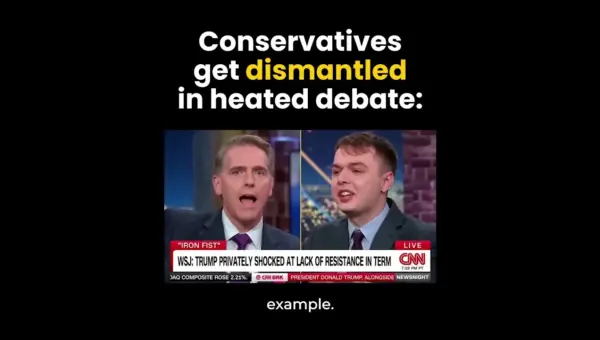
Allegations surfaced during a live debate suggesting former President Trump abused his power by subverting Congress and appointing loyalists to key positions. The discussion focused on whether Trump directed legal actions against specific individuals, raising concerns about the weaponization of the justice system and the integrity of democratic institutions.