Trump’s Costly Iran War Sparks MAGA Revolt, Lacks Public Support
President Trump's escalating war in Iran, costing $1 billion daily, faces a growing MAGA revolt and historic public disapproval. With shifting war aims and concerns over potential U.S. troop deployment, the conflict's geopolitical implications, including Russian involvement, are raising alarms among military leaders and allies.

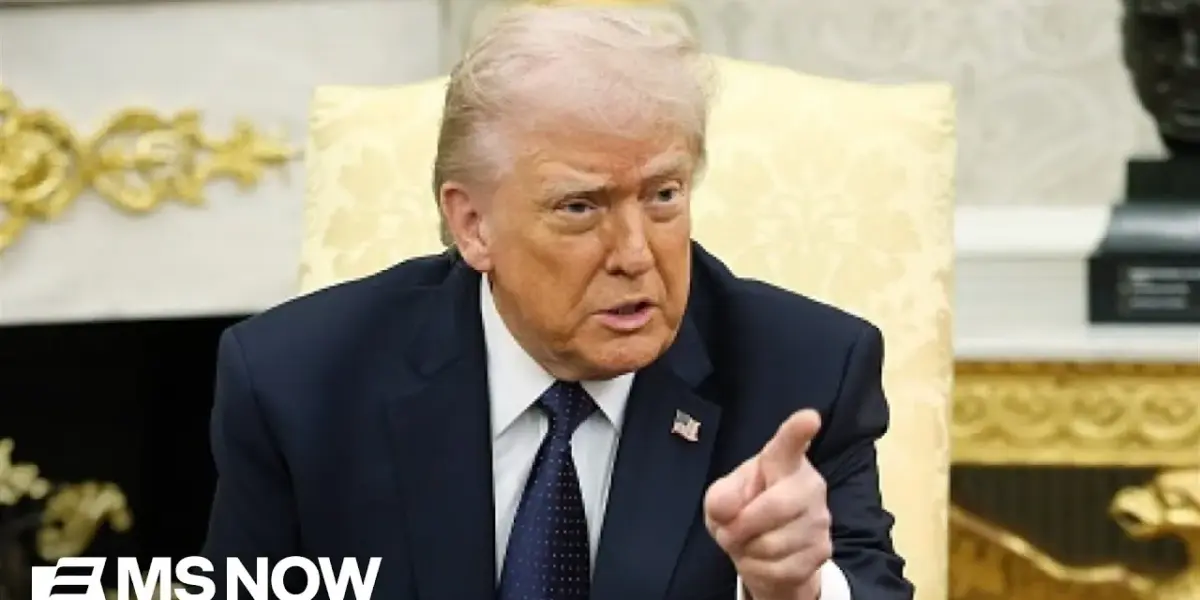
Trump’s Iran War Escalates Amidst Internal Dissent and Public Apathy
President Donald Trump’s military engagement in Iran has taken a significant turn, marked by a call for “unconditional surrender” and a staggering daily cost of $1 billion, according to reports. This escalating conflict is reportedly fueling a “MAGA revolt” within the Republican party and has plunged Trump’s approval ratings for the war to historic lows, with the public showing less support than for any modern president initiating military action.
Shifting War Aims and Growing Concerns
The New York Times reported a shift in U.S. military objectives, with Trump now demanding Iran’s “unconditional surrender.” This represents a potential pivot towards a prolonged conflict, raising serious questions about the administration’s strategy or perceived lack thereof. Compounding these concerns, The Washington Post revealed the cancellation of an army exercise, leading to speculation within the Defense Department that soldiers specializing in ground combat and other critical missions might be deployed. When pressed on the possibility of American boots on the ground, the White House stated, “people want to rule out sending U.S. troops, quote, if necessary,” but declined to elaborate on specific plans.
Unprecedented War Costs and Public Apprehension
The financial burden of the current military operations in Iran is immense, costing the United States approximately $1 billion per day. For context, the war in Afghanistan, by comparison, cost $300 million daily. This expenditure comes at a time when inflation is a significant concern for the American public.
When questioned directly about the possibility of Iranian retaliatory strikes on the United States, Trump’s response was a terse, “I guess,” adding that “they’re worried about that all the time. We think about it all the time. We plan for it.
But yeah, you know, we expect some things. Like I said, some people will die. When you go to war, some people will die.” This acknowledgment of potential American casualties, delivered with a perceived lack of urgency, has drawn sharp criticism.
Historic Lack of Public Mandate
In a stark departure from historical precedent, Trump has become the first modern president to lead the nation into war without widespread public backing. Recent polling indicates a significant deficit in public support for the Iran conflict. This contrasts sharply with previous military actions, such as President Clinton’s actions in Kosovo (51% support), Reagan’s mission in Grenada (53% support), and even President George W.
Bush’s invasion of Iraq (83% support). The current low approval underscores a disconnect between the administration’s actions and public sentiment.
Veteran Congressman Slams Trump’s Disregard for Troops
Congressman Seth Moulton, a Democrat from Massachusetts, a member of the House Armed Services Committee, and a Marine Corps combat veteran with multiple tours in Iraq, expressed profound disappointment and anger regarding the President’s remarks. “Donald Trump has never respected the troops, never,” Moulton stated, referencing Trump’s past draft deferments and comments about prisoners of war and fallen soldiers.
“He’s someone who has just never respected the troops or their families. And apparently, he doesn’t even really care about American civilians who could very well get killed in this.” Moulton highlighted Trump’s alleged pattern of disrespect, including calling John McCain a “loser” for being captured and reportedly referring to troops as “losers” and “suckers.”
Geopolitical Ramifications and Russian Involvement
Beyond the immediate human and financial costs, the conflict in Iran carries significant geopolitical implications. The Washington Post reported that Russia is actively assisting Iran by providing intelligence to target U.S. forces, including the locations of American warships and aircraft in the Middle East.
“Russia and Iran have long had a relationship,” Moulton observed, noting that Iranian missiles may even be used by Russia in its war against Ukraine. This intelligence sharing complicates U.S. Efforts not only in the Middle East but also potentially impacts its ability to support Ukraine and maintain a strategic posture in the Pacific to counter China, which Moulton identified as the primary global threat.
“The point is that as bad as this looks in the Middle East, and let me be clear, it looks terrible. And this is not going well for us in terms of achieving any of the goals that the president even laid out. And it’s going to get worse before it gets better.
But a lot of the focus is just on what’s going to happen in the Middle East. This has huge geostrategic implications.”
Congressman Seth Moulton
Concerns Within the Military Establishment
The transcript suggests considerable unease within the U.S. military leadership regarding the Iran strategy. It is widely believed that the decision to engage militarily was either President Trump’s or Vice President Pence’s initiative, rather than a recommendation from the Joint Chiefs of Staff or the general officer corps.
“It’s pretty clear that this was either Trump’s idea or Pence’s idea but not the general’s idea to go into Iran,” Moulton commented. This perceived disconnect between political leadership and military counsel raises alarms about the potential for ill-conceived military actions.
Presidential Rhetoric and Allied Distrust
Further fueling concerns are President Trump’s remarks about potential future military actions, including references to Cuba and Venezuela. His rhetoric, often characterized as unpredictable, is seen as eroding trust not only with allies but also with adversaries. “Our first Marine Division Commanding General was James Mattis…
And our division motto was ‘No better friend, no worse enemy than a United States Marine.’ Now that meant if you were our friend, our ally, you could trust us to the end of the world. But it also meant if you are our enemy, you could trust us. You could trust that we would put up the worst fight you’ve ever seen,” Moulton explained, contrasting this with the current situation where allies are reportedly withholding intelligence from the U.S., putting American lives at risk.
Looking Ahead: A Precarious Path
As the conflict in Iran continues to unfold, the nation watches with growing apprehension. The combination of escalating costs, a lack of public support, internal dissent, and complex geopolitical challenges presents a precarious path forward.
The coming weeks will likely reveal whether the administration can articulate a clear strategy, regain public confidence, and navigate the intricate web of international relations that the current conflict has strained. The focus remains on whether this costly engagement will achieve its stated objectives or lead to further instability and greater risks for American interests and personnel.
Source: MAGA revolt grows as ‘warmonger’ Trump’s $1B-per-day war PLUNGES approval (YouTube)

Related Articles
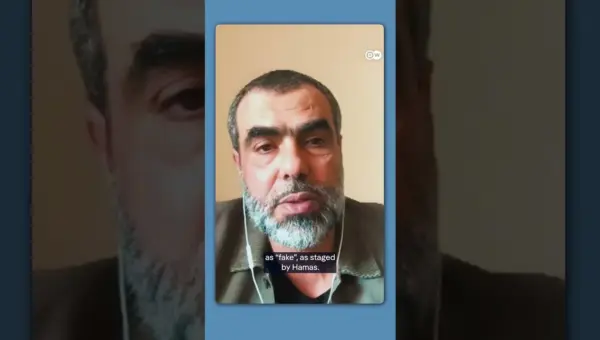
Hamas Support in Gaza: Analyst Reveals Low Popularity
Political analyst Yasa Abu Musa reveals that Hamas's support in Gaza has fallen to as low as 18%, with recent polls and protests indicating public dissatisfaction. However, the daily struggle for survival leaves Gazans preoccupied with basic needs, overshadowing political engagement.
Iran Blockade Gains Leverage for US Talks
The U.S. naval blockade has halted over 90% of Iran's oil revenue, providing significant leverage for upcoming negotiations. Hardline elements within Iran's government are in firm control, complicating the diplomatic process. Investors should monitor the situation for potential impacts on global energy markets and regional stability.


Media War on Vatican Fuels US Empire’s End
Corporate media's attack on the Pope is seen as a tactic to distract from economic hardship and the costs of U.S. foreign policy. This narrative war, fueled by figures like Sean Hannity, mirrors historical power grabs and serves to protect the interests of the military-industrial complex.