Gulf Allies Divided as Iran Strikes Escalate, US Faces Backlash
Gulf allies express growing frustration with the US over its Iran strategy, feeling exposed as Iran escalates attacks on regional infrastructure. The conflict has caused significant financial damage and heightened security concerns, potentially reshaping alliances and pushing nations towards greater self-reliance.

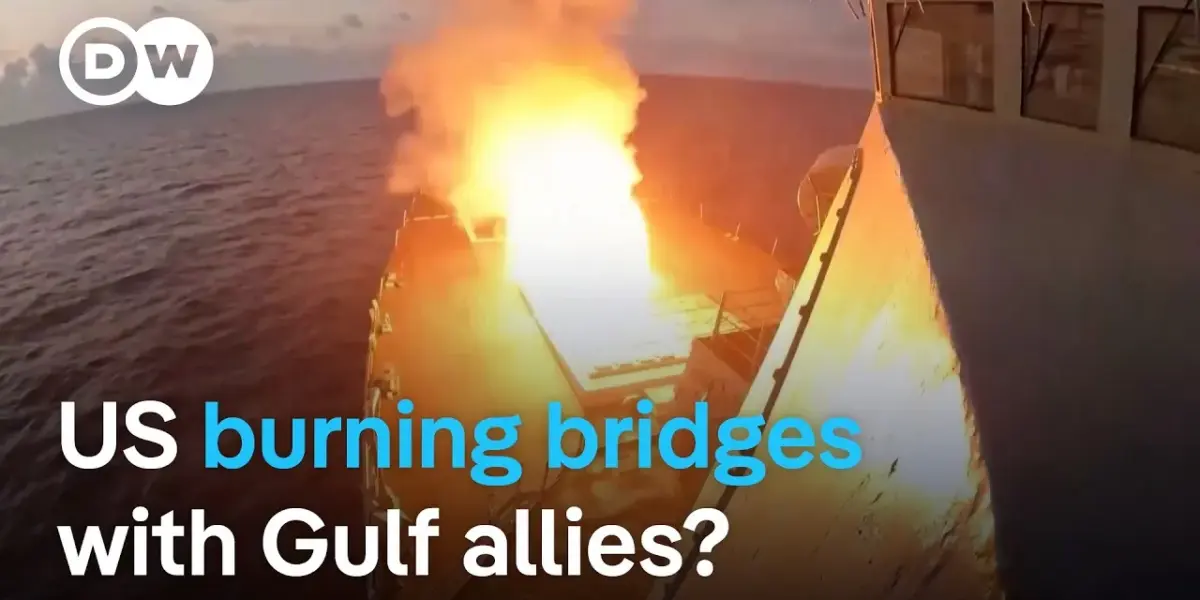
Gulf States Distrust US Over Iran Strikes, Allies Feel Exposed
Reports indicate growing discontent among Persian Gulf allies regarding the United States’ approach to Iran, with some regional officials believing Washington is prioritizing Israel and its own troops over the security of its partners. This sentiment emerges as Iran intensifies its drone and missile attacks on US bases and civilian infrastructure across the Gulf region, in response to recent strikes by the US and Israel.
Iran’s Calculated Attacks Inflict Financial and Security Blows
The scale of Iran’s offensive has been significant, with an estimated $1.9 billion in damage inflicted upon US military assets in the region as of two days prior to the report. Georgia Cafiro, CEO and founder of Gulf State Analytics, explains the strategic advantage Iran holds in this conflict. “The Iranians are clearly able to wage um attacks on US military installations in the GCC countries and other parts of the Middle East too, that will prove very costly from a financial standpoint,” Cafiro stated.
He elaborated on the cost-effectiveness of Iran’s strategy, noting that the expense for Iran to launch these attacks is significantly lower than the financial burden on US taxpayers. This approach, he warned, could lead to substantial financial drain and potential loss of American lives if the conflict prolongs, making the war increasingly unpopular domestically.
“The Iranians are capable of making the Americans bleed if this becomes a prolonged war. It will be very costly in terms of US treasure. It can also prove costly from the standpoint of American lives that are lost…”
GCC States Caught in the Crossfire, Urging De-escalation
The United States and Israel proceeded with their strikes on Iran despite the apparent lack of consensus among their Gulf allies. The GCC states, according to Cafiro, had actively sought to avert this conflict, understanding the severe threat it posed to their national security and economic interests. “However, the US and Israel waged this war anyway, and now the GCC states are caught in the mix.
They are suffering as collateral damage,” Cafiro observed. Iran’s targeting of civilian infrastructure, including hotels, airports, apartment complexes, and crucially, energy facilities in Saudi Arabia and Qatar, is seen as a direct attempt to pressure these nations into persuading the White House to cease military operations against Iran. “This action on the part of Iran against countries in the Gulf poses an existential threat to the economic health of countries such as the UAE, Saudi Arabia, Qatar and so on so forth,” he added.
Lack of Consultation Fuels Allied Resentment
A significant point of contention is the perceived lack of coordination between the US and its Gulf allies. Reports suggest that the Gulf states were not briefed prior to the commencement of US and Israeli strikes on Iran. Cafiro highlighted this disconnect, stating, “The Gulf Arab states were certainly not on board with this.
They understood from the beginning that this conflict would pose an enormous threat to their national security and their economic interests, and they were really not on the same page with the White House.” He noted the last-minute diplomatic efforts by the Omani foreign minister to find a diplomatic off-ramp, indicating that the Gulf nations were indeed caught off guard. The decision by the Trump administration to withhold information is presumed to be an attempt to maintain an element of surprise.
Iran Crosses Red Lines, Prompting Potential GCC Military Response
While the GCC states were not proponents of the US-led military action, Iran’s direct attacks on their soil, particularly on civilian infrastructure, are viewed as having crossed critical red lines. This development is creating pressure on these nations to consider a more active military response. “By now, Iran has crossed the red lines for these countries by directly attacking them, especially attacking civilian infrastructure in these countries.
And now they see themselves as needing to take action in order to uphold their national defense,” Cafiro explained. He acknowledged the growing discussion within the GCC about potentially taking direct military action against Iran, suggesting that continued escalation could compel such a response, thereby further complicating and escalating the conflict.
A New Era of Distrust and Militarization in the Gulf
The ongoing conflict is poised to reshape the geopolitical landscape of the Gulf. The period of détente between Saudi Arabia and Iran, which began with the normalization of diplomatic relations approximately three years ago, is likely over. Cafiro anticipates a future marked by heightened distrust between Iran and the GCC states, leading to increased militarization within these nations.
The recent events have exposed a perceived failure of the United States, the traditional security guarantor for the GCC, to protect its allies from regional threats. This could drive the Gulf states towards greater autonomy and self-sufficiency in their security strategies.
The stability and peace that are crucial for attracting tourism and foreign investment to the Gulf have been severely undermined by the recent chaos. Policymakers in the GCC face the challenge of restoring stability and security to ensure the future prosperity of their economies. The conflict has destroyed the image of peace and stability that these nations rely upon.
Looking Ahead: Diplomatic Efforts and Shifting Alliances
As the conflict unfolds, diplomatic mediation efforts are reportedly underway, with Iran’s President Mazud Peshkian indicating that several countries have begun mediation to end the escalating conflict. However, statements from US President Donald Trump on his social media platform suggest a hardline stance, calling for “unconditional surrender” rather than a negotiated deal. The coming weeks will be critical in determining whether diplomatic channels can prevail over escalating military actions and how the Gulf states will navigate their security concerns amidst shifting regional dynamics and evolving US foreign policy.
Source: Why the Gulf states are not in lock step with the US on Iran strikes | DW News (YouTube)

Related Articles

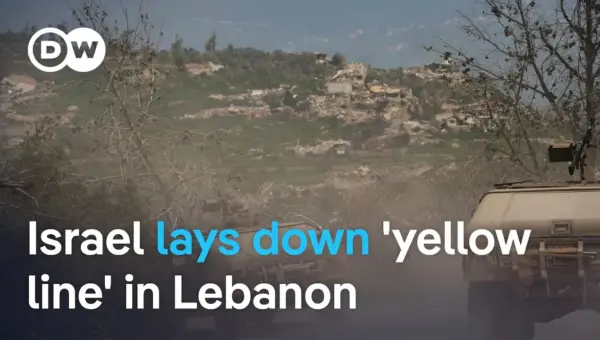
Israel Sets ‘Yellow Line’ in Lebanon, Sparking Occupation Fears
Israel has established a new 'yellow line' in southern Lebanon, a move that mirrors its strategy in Gaza and raises concerns about a potential long-term occupation. Amidst a fragile ceasefire, displaced families are returning home to find destruction, while experts analyze Israel's evolving security doctrine. The region faces an uncertain future, with deep divisions within Israel about the ongoing conflicts.


US Weighs Cuba Invasion Amidst Economic Crisis
The U.S. is reportedly weighing military options for Cuba amidst a severe economic crisis. Reports suggest the Pentagon is preparing for potential operations, while Cuba urges its citizens to prepare for conflict. Experts question the timing of U.S. intervention.

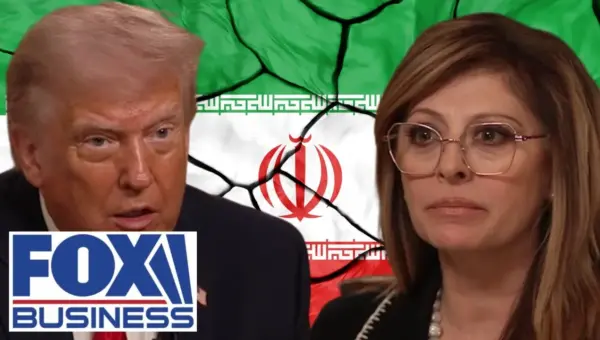
Trump’s Iran Blockade Sparks Market Rally, Offers Economic Hope
The U.S. blockade on Iranian ports has spurred a significant market rally, with stocks reaching new highs and oil prices stabilizing. This economic pressure aims to prevent Iran from developing nuclear weapons and is expected to lead to a swift resolution of the conflict. Investors are optimistic about the resilience of the U.S. economy.