Iran War Expands: US Sinks Ship, 15 Nations Hit
The war with Iran entered its sixth day on March 5, 2026, with strikes impacting 15 nations as a U.S. submarine sank an Iranian ship. President Trump hailed the success, while a new poll shows a divided American public. Thousands of Americans remain stranded in the Middle East amidst escalating conflict.


Iran War Expands as US Sinks Ship; 15 Nations Impacted
The conflict with Iran intensified on March 5, 2026, entering its sixth day with escalating strikes impacting at least 15 nations across the Middle East and beyond. In a significant development, a U.S. Submarine utilized a torpedo to sink an Iranian naval vessel, marking the first such action by the U.S. Since World War II. President Trump hailed the operation as a resounding success, rating it a “15 on a scale of ten.” However, the widening conflict has also raised questions about U.S. Objectives and the ongoing efforts to repatriate stranded Americans from the region.
Regional Escalation and International Involvement
Reporting from Tel Aviv, NBC News Chief International Correspondent Richard Engel described a cautiously returning sense of normalcy, with cafes open and people resuming daily activities as the Israeli government eased restrictions for those near shelters. Despite this, the threat remains palpable, with air raid sirens sounding and interceptors deployed over the city just moments before the broadcast. The Israeli military released footage of fighter jets targeting Iranian military assets, including leadership and internal security forces.
The conflict has seen a dramatic expansion, with Hezbollah joining the fight from Lebanon, launching rockets at Israel, which responded with retaliatory strikes on Beirut and southern Lebanon. These actions have displaced over 80,000 Lebanese citizens, according to the Lebanese government. Turkey, a NATO member, also reported being attacked by Iran, with NATO air defenses intercepting an Iranian missile.
Retired Colonel Steve Warren, an NBC News military analyst, explained that Iran’s strategy appears to be to spread the conflict and increase its cost, hoping to draw other nations into pressuring the United States. However, he noted that these nations seem to be aligning with the U.S. Against Iran. Warren also discussed the possibility of enabling Kurdish leaders in Iraq and Iran to initiate an uprising, which would open a second front for Iran and force them to divert resources.
U.S. Public Opinion and Presidential Defense
Domestically, the war has divided American voters. A new NBC News poll revealed that 52% of voters believe the U.S. should not have taken military action against Iran, and a slim majority disapprove of President Trump’s handling of the situation. Despite this, President Trump continued to defend his decision, stating that Iran would have developed a nuclear weapon otherwise and asserting that “crazy people” with nuclear weapons lead to bad outcomes.
A senior U.S. Official confirmed that Israeli Prime Minister Benjamin Netanyahu had contacted President Trump the previous Monday, providing intelligence about a meeting of Iran’s supreme leader and top advisors in Tehran, suggesting a window of vulnerability. This information, coupled with the U.S. Negotiation team’s assessment that a deal on Iran’s nuclear and ballistic missile programs was impossible, reportedly influenced the timing of the strikes.
Democrats in Congress have attempted to block President Trump’s ability to wage war without congressional approval, but these efforts were reportedly defeated by Republicans overnight. The human cost of the conflict is also mounting, with at least six Americans reported dead. The Iranian Red Crescent stated that over 1,000 Iranians have been killed, and a memorial at an elementary school in Iran reportedly listed 168 casualties from a strike, the perpetrators of which remain unclear.
Stranded Americans and Diplomatic Efforts
Thousands of Americans remain stranded across the Middle East amidst the escalating conflict. The State Department announced that charter flights were beginning to bring some citizens home, with additional flights planned. However, many families expressed frustration and fear, struggling to access information and secure passage.
NBC’s Chief International Correspondent Keir Simmons reported from Dubai on the ongoing evacuation efforts. He highlighted tense conversations between Qatar’s Prime Minister and the Iranian Foreign Minister, and noted that Qatar itself faced bombardment.
In the UAE, authorities reported intercepting 131 drones and 6 missiles. Americans attempting to flee described a chaotic situation, with limited commercial flights operating intermittently and difficulties in contacting embassies for assistance.
One father, Cody Green, shared his anxious journey to get back to Tampa for his son’s first birthday, lamenting the lack of government assistance and the general insecurity of air travel through the region. The State Department confirmed it was surging additional flights and that 17,500 Americans had already been repatriated from the Middle East.
Legal and Political Developments
In Washington, Attorney General Pam Bondi was subpoenaed to appear before a House committee to answer questions regarding the Justice Department’s handling of the Jeffrey Epstein files, particularly concerning redactions. Republican Representative Nancy Mace spearheaded the effort, criticizing the Justice Department’s transparency in releasing the documents.
Meanwhile, Department of Homeland Security Secretary Kristi Noem faced intense questioning from a House Judiciary Committee regarding the department’s finances and recent ICE-involved shootings. She also addressed allegations of an inappropriate relationship with a subordinate staffer, Corey Lewandowski, which she denied.
Cultural Milestones and Tributes
In lighter news, the iconic Brady Bunch house in the San Fernando Valley was declared a cultural landmark, protecting it from demolition. Although the show was filmed on a soundstage, the exterior shots of the house became instantly recognizable, cementing its place in Hollywood history.
The broadcast also paid tribute to legendary football coach Lou Holtz, who passed away at the age of 89. Holtz was remembered for his motivational leadership, guiding Notre Dame to a national championship in 1988 and transforming struggling programs. His philosophy, “Do what is right, and do the best you can, and show people you care,” was highlighted, along with his famous mantra, “Play Like a Champion Today.”
Looking Ahead
As the war in Iran continues to unfold, the international community watches closely for further escalation or de-escalation. The U.S. Faces the dual challenges of prosecuting the military campaign and managing domestic dissent, while simultaneously working to extract its citizens from a volatile region.
Diplomatic efforts and the potential for wider international involvement will be critical in the coming days and weeks. The legal and political ramifications of the Epstein file investigation and ongoing congressional oversight will also continue to develop.
Source: Full Episode: TODAY Show – March 5 (YouTube)

Related Articles

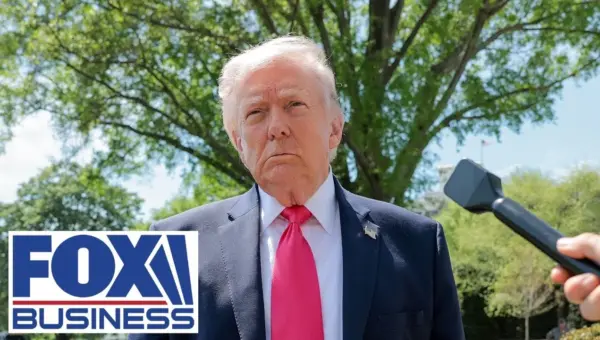
Iran Deal Boosts Markets, Oil Prices Drop
President Trump's announcement of progress in Iran has spurred a global market rally, with oil prices falling significantly. Initial earnings reports show strong corporate growth, and analysts believe there is further upside potential for the market. The U.S. is also focusing on energy independence, which could boost national revenue.
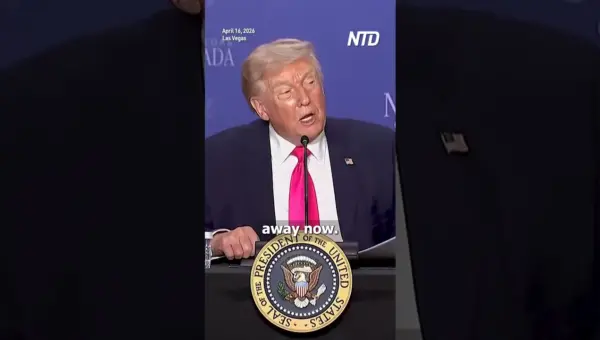
Trump Claims Iran War Is Ending, Cites Military Might
Former President Donald Trump stated that the conflict in Iran is progressing well and should end soon. He attributed this to the strength of the U.S. military and his past economic policies. Trump believes his actions have created successful deterrence in the region.
Middle East Peace Deal Sends Oil Down, Dow Up
Signs of peace in the Middle East have sent oil prices tumbling to $82 a barrel and boosted the Dow Jones Industrial Average by hundreds of points. This market shift follows intensified diplomatic efforts, driven partly by Iran's severe economic struggles. The potential for a nuclear material recovery deal and a new U.S. foreign policy approach are key developments.