Russia’s Shrinking Leverage Sparks Moscow Panic
Russia's influence is rapidly diminishing as Europe sheds its dependence on Russian gas, leaving Moscow increasingly desperate. Ukraine's successful strikes within Russia and the global challenges in exporting Russian energy highlight the Kremlin's weakening position. Internal economic strain and potential for domestic unrest further expose Russia's vulnerabilities.

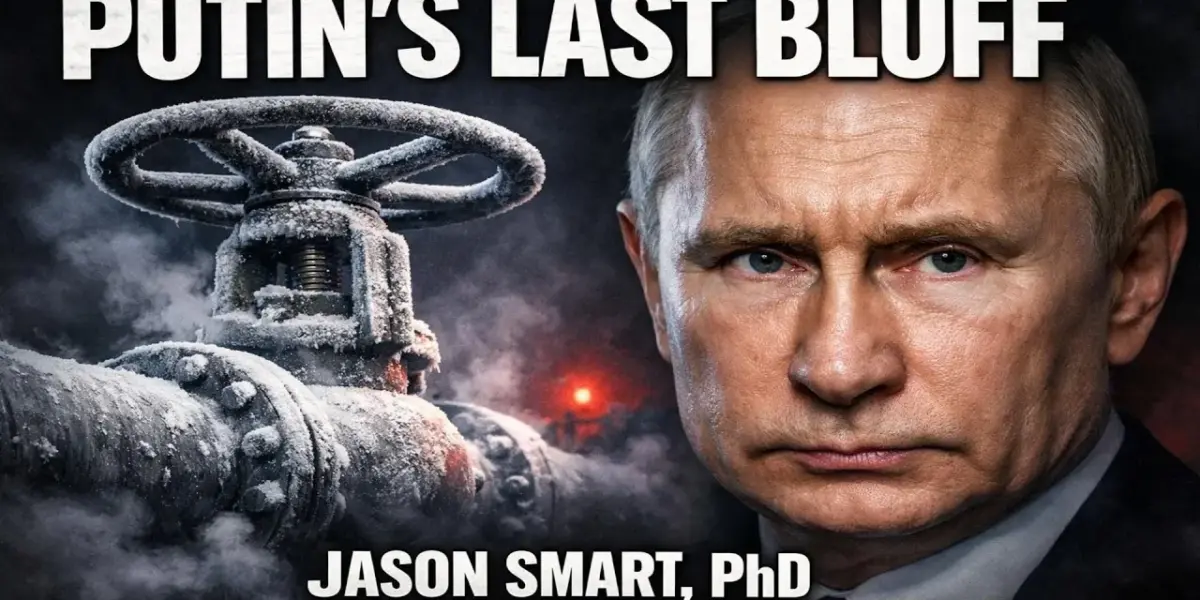
Russia’s Diminishing Global Clout Triggers Desperation
In a stark display of waning influence, Russia under Vladimir Putin is exhibiting signs of increasing desperation as its traditional leverage over the West rapidly erodes. For years, Moscow banked on Europe’s substantial dependence on Russian gas, a cornerstone of its geopolitical strategy.
However, this reliance has dramatically shifted, leaving Russia with significantly fewer options and prompting aggressive, albeit increasingly futile, attempts to project power. Dr. Jason Smart, a special correspondent and national security advisor, argues that Russia is not projecting strength but rather revealing profound weakness.
Europe Pivots Away from Russian Gas
The energy landscape has transformed considerably. Prior to the full-scale invasion of Ukraine, Russian gas constituted approximately 45% of the European Union’s total gas imports. Today, that figure has plummeted to a mere 13%.
This dramatic reduction signifies a major blow to Russia’s economic and political leverage, as Europe has successfully diversified its energy sources. Russia’s window of opportunity to exploit this dependency is closing, fueling a sense of urgency within the Kremlin to demonstrate residual power before its primary economic weapon becomes obsolete.
Ukraine’s Strikes Inflict Pain Inside Russia
Compounding Russia’s strategic vulnerabilities are Ukraine’s increasingly effective strikes within Russian territory. Recent attacks on Novorossiysk, a critical Black Sea port, highlight this vulnerability.
The disruption of this port impacts Russia’s ability to export oil and conduct international shipping, a significant concern for a nation with limited warm-water ports capable of servicing its fleet. Such attacks can destabilize Russia’s logistical capabilities and its broader economy, which heavily relies on these trade routes.
Challenges in Exporting Liquefied Natural Gas (LNG)
While Russia has developed methods, such as a ‘shadow fleet,’ to circumvent sanctions on oil exports, exporting Liquefied Natural Gas (LNG) presents far greater challenges. The complex process of liquefaction and transport requires specialized infrastructure and a more transparent trade environment, making it nearly impossible to conduct discreetly.
This difficulty is particularly problematic as traditional buyers like China show diminishing interest due to logistical hurdles and higher costs compared to alternative suppliers. Russia’s struggle to find new, willing buyers for its gas underscores its weakening economic position.
Economic Strain and Budget Deficits
The sale of oil and gas traditionally accounts for a substantial portion, around 40-45%, of Russia’s national budget. However, Western sanctions have forced Russia to sell these commodities at deep discounts, exacerbating its budget deficit. The financial strain is evident, with the nation’s deficit widening.
Adding to these woes, internal sabotage in regions like Luhansk and Severodonetsk further disrupts Russian control and operational capacity. Reports of Russian forces accidentally shooting down their own helicopter near Millerovo suggest a heightened state of nervousness and a ‘trigger-happy’ military, a sign of underlying instability.
Manpower Shortages and Recruitment Dilemmas
Russia is facing critical manpower shortages on the front lines, with reports indicating a monthly deficit of around 9,000 soldiers. In response, President Putin has decreed an expansion of the military to 2.4 million personnel, including 1.5 million active-duty soldiers.
However, the feasibility of this expansion is questionable given the current inability to adequately staff existing ranks. Military bloggers suggest that the government may be preparing for a new draft, a move that could trigger widespread public discontent and mass emigration, mirroring the exodus of approximately one million Russians who fled the country following the full-scale invasion due to fears of conscription.
Internal Instability and Economic Woes
Beyond the battlefield, Russia faces mounting internal challenges. The war effort is proving to be an unsustainable drain on resources. Russia’s deficit spending has reached critical levels, with January’s expenditure alone exceeding the anticipated deficit for the entirety of 2026.
The Central Bank’s continued money printing to manage this deficit risks fueling inflation and exacerbating economic instability, especially if the war were to cease abruptly. Regional governors are already reporting shortages of funds, contributing to growing public dissatisfaction.
The Risk of Insurrection
The combination of economic hardship, military failures, and the potential for a forced draft creates a volatile domestic environment. Even Russia’s substantial National Guard, estimated at 350,000 to 400,000 soldiers, may not be sufficient to quell widespread unrest across the vast country.
The potential for clan warfare, as suggested by an attack on Chechen leader Ramzan Kadyrov’s son, could further destabilize regions and divert security forces away from Moscow, leaving the capital vulnerable. The historical precedent of the Tsarist regime’s collapse during World War I, partly due to military demoralization and desertion, looms large.
Putin’s Narrowing Options
Faced with these compounding crises, Vladimir Putin’s options are rapidly diminishing. His attempts to project strength and exert pressure on Europe are increasingly seen as a façade masking a desperate situation.
Russia’s traditional economic levers are failing, its military is strained, and its domestic stability is precarious. Dr. Smart concludes that the current moment is not one for Europe to yield to Russian demands, but rather for Europe to assert its position, recognizing that the Putin regime itself is now facing existential risks.
Source: Moscow Panic As It Loses Its Last Leverage (YouTube)

Related Articles
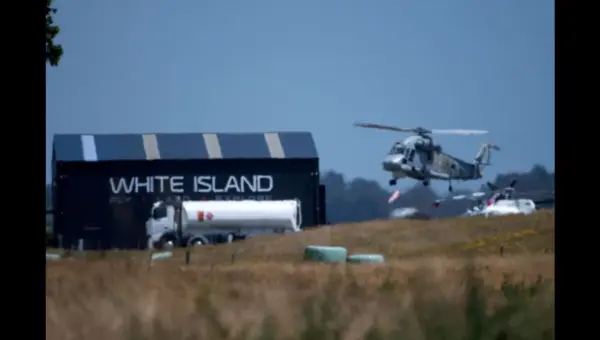
NZ Spy Flights Near China Spark Beijing’s Outrage
New Zealand's recent surveillance flights near Chinese airspace have triggered a strong protest from Beijing. This incident highlights growing geopolitical tensions in the Indo-Pacific and New Zealand's efforts to bolster its defense capabilities.
US Blockade Tightens Grip on Iran’s Ports
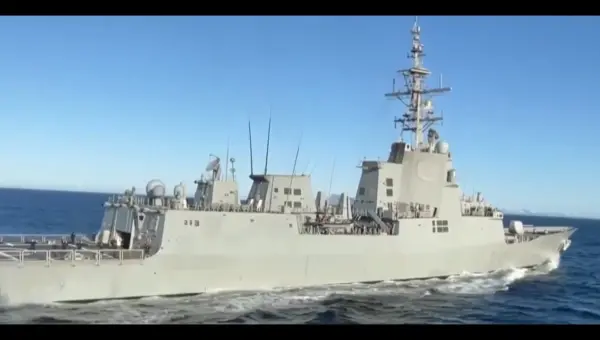
The US military is maintaining a naval blockade on Iranian ports, even as Iran lifts its own blockade in the Strait of Hormuz. This operation restricts ships heading to or from Iranian ports, impacting the country's trade. Meanwhile, increased traffic is seen in the Strait of Hormuz following a US-brokered ceasefire between Israel and Lebanon.
US Threatens China Banks Over Iran Business Deal
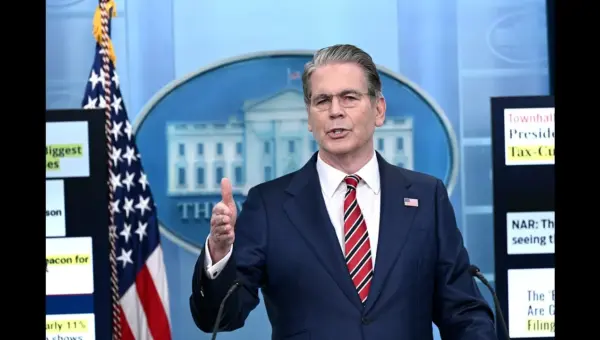
The US is warning Chinese banks against doing business with Iran, threatening "secondary sanctions" if Iranian money flows through their accounts. This move is part of the US "maximum pressure" campaign on Tehran. The strategy aims to isolate Iran economically, with China's oil purchases previously serving as a key lifeline.