Moscow Shifts Blame, Eyes Global Order as Ukraine Talks Stall
Moscow casts doubt on upcoming Ukraine peace talks, shifting focus to global order discussions. Meanwhile, Italy links current crises to the Ukraine war, and Europe explores enhanced defense strategies amid rising tensions.

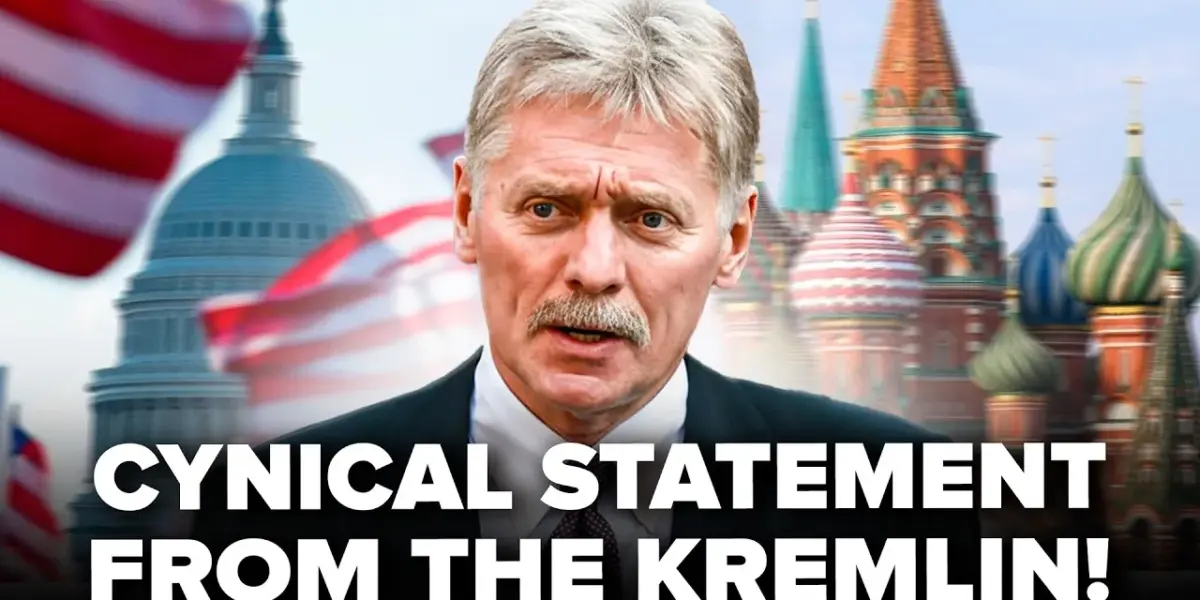
Kremlin Casts Doubt on Ukraine Peace Talks Amidst Shifting Geopolitics
The Kremlin has abruptly cast doubt on the possibility of upcoming peace negotiations with Ukraine, with spokesperson Dmitri Peskov stating that neither the date nor the location for a potential meeting, previously discussed for Abu Dhabi, are confirmed. Moscow is simultaneously attempting to distance the ongoing conflict from the escalating situation in the Middle East, asserting that current U.S. and Israeli actions against Iran do not impact the negotiation process.
However, this stance comes as Russia’s Foreign Minister, Sergey Lavrov, suggests a pivot, calling for a comprehensive discussion on the future world order and Russia’s role within it, particularly concerning nuclear powers. This strategic maneuver appears to reframe the war in Ukraine as a geopolitical bargaining chip for Russia’s global standing.
Ukraine’s Stance: Negotiations in a ‘Difficult Phase’
Ukrainian President Volodymyr Zelenskyy, in a statement to the Italian newspaper Corriere della Sera, described the peace negotiations as having entered a challenging phase, primarily due to disagreements over territorial control. Despite Moscow’s pronouncements, Zelenskyy indicated that a trilateral meeting had not been canceled and could still proceed on March 5th and 6th. This contrasts with the Kremlin’s apparent effort to steer the conversation towards broader geopolitical issues, moving away from direct discussions about ending the war in Ukraine.
Global Instability Linked to Ukraine War, Says Italian PM
Italian Prime Minister Giorgia Meloni has drawn a direct line between the current international crises, including the tensions surrounding Iran, and the broader breakdown of the global order initiated by Russia’s invasion of Ukraine. Meloni argued that a permanent member of the UN Security Council launching a full-scale invasion of a sovereign neighbor has inevitably led to a period of chaos in international relations.
She urged Iran to cease its attacks in the Persian Gulf, warning that further escalation could destabilize the entire region. Italy is actively coordinating with European partners and Gulf nations to prevent the conflict’s spread, emphasizing that continued Iranian aggression would make such prevention impossible.
Europe Considers Nuclear ‘Umbrella’ Amid Shifting Security Landscape
The evolving security environment in Europe, significantly altered by Russia’s actions, is prompting discussions about a unified European defense strategy. Following Denmark and Sweden, Norway is now signaling its readiness to explore the concept of a European nuclear ‘umbrella.’ While not advocating for the hosting of nuclear weapons on its soil, Norway’s willingness to discuss the idea with France, the EU’s sole nuclear power, underscores a dramatic shift in European security perceptions. Officials openly acknowledge the most severe threat environment since the Cold War, fueled by growing doubts about the long-term reliability of U.S. Security guarantees.
Ukraine Targets Russian Energy Lifeline in Mediterranean
In a significant escalation, a Russian oil tanker, the ‘Arctic LNG,’ reportedly caught fire in the Mediterranean Sea. The vessel, carrying liquefied natural gas and already under U.S. and UK sanctions, is suspected to have been struck by a Ukrainian sea drone, though Kyiv’s involvement remains unconfirmed. Ukrainian officials released images of the damaged tanker, suggesting it is beyond repair.
Moscow has vehemently accused Ukraine of international terrorism, alleging the use of unmanned boats launched from the Libyan coast. The incident, if confirmed to be a Ukrainian operation, signifies a potential expansion of the conflict’s economic warfare beyond the Black Sea, targeting Russia’s ‘shadow fleet’ and its energy exports.
Russia’s War Costs Soar, Impacting Ordinary Citizens
The full-scale war in Ukraine may have already incurred costs nearing $2.5 trillion, according to analyses of military, economic, and human losses. A substantial portion of this figure is attributed to casualties, with hundreds of thousands of Russian soldiers reported killed or wounded.
Beyond direct military expenditures and equipment losses, the Russian economy faces immense pressure from sanctions, an outflow of citizens, and economic contraction, with annual losses potentially exceeding the country’s entire economic output. Analysts emphasize that the war’s burden is disproportionately borne by ordinary Russians through mobilization, casualties, and a declining standard of living, rather than solely by President Putin.
Glimmers of Honesty and Cracks in Russian Propaganda
Rare instances of apparent honesty within Russian state media have emerged, potentially leading to repercussions for those involved. During a live broadcast, pro-Kremlin commentator Kirill Fedorov openly admitted the superiority of Ukrainian drone technology, citing their stable video transmission and better resistance to electronic warfare. Fedorov has reportedly ceased appearing on air.
In the same discussion, he also questioned the wisdom of blocking Telegram in Russia, suggesting it could endanger soldiers. The episode was later removed from the broadcast, and Fedorov faced public criticism from fellow propagandists, hinting at potential dismissal.
Leaked Communications Reveal War Crimes and Military Failures
An investigation by Radio Free Europe/Radio Liberty’s ‘Schemes’ project has reportedly uncovered leaked communications from a senior Russian general, Major General Roman Diveynik, deputy commander of Russia’s 20th Combined Arms Army. The private messages and voice recordings allegedly expose disturbing details of alleged torture and killings of Ukrainian prisoners of war, actions classified as war crimes under international law.
The leaks also reportedly highlight severe internal military issues, including poor command, logistical failures, corruption, and mistreatment of Russian soldiers. The investigation suggests these communications offer an unfiltered glimpse into the functioning of the Russian military during the war in Ukraine.
What’s Next?
As diplomatic channels remain uncertain and geopolitical tensions rise, the focus will be on whether any substantive progress can be made in peace negotiations. The expanding scope of conflict, including potential Ukrainian strikes on Russian energy assets in the Mediterranean and the broader implications of the Middle East crisis, will also be closely watched. Europe’s internal debates on defense and security, particularly regarding nuclear deterrence, will shape the continent’s future strategic posture.
Source: ⚡️Moscow sharply responded to Zelensky! Kremlin backs down on negotiations. Urgent NATO move (YouTube)

Related Articles
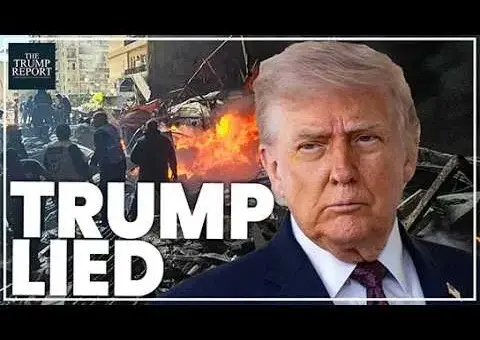
Trump’s Iran Gamble: A Risky War Fueled by Distraction?
Tensions with Iran are escalating, with the Strait of Hormuz at risk and diplomatic talks faltering. Analyst Maryanne Williamson suggests the conflict may be a distraction from domestic issues and criticizes the U.S. government's long-standing reliance on military force over diplomacy. The situation raises serious questions about leadership, strategy, and the human cost of war.
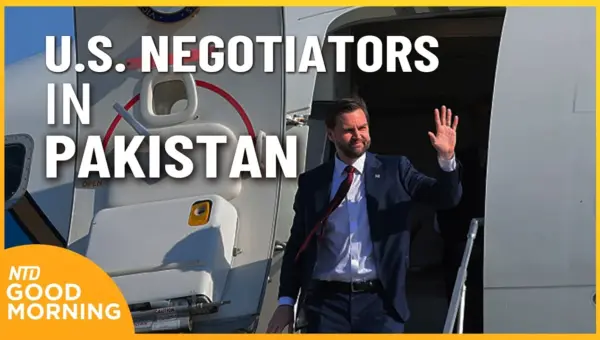
Iran Talks Stall Amid US Ship Seizure, Scientists Vanish
Peace talks between the U.S. and Iran are in jeopardy following the U.S. military's seizure of an Iranian ship. Analysts point to internal divisions within Iran as a major obstacle to any potential deal. The report also covers the concerning trend of missing or deceased scientists and a tragic mass shooting in Louisiana.

Strait of Hormuz Closure Threatens Global Energy Supply
The Strait of Hormuz faces a critical disruption following attacks on ships and a U.S. boarding of an Iranian tanker. The IEA warns energy output could take two years to restore, potentially impacting global markets.