Iran War Escalates: Trump’s Risky Gamble Backfires
The US-Iran war escalates dramatically, with reports of a downed F-15 and internal administration rifts over strategy. Fabricated pretexts, economic fallout, and potential radicalization paint a grim picture.

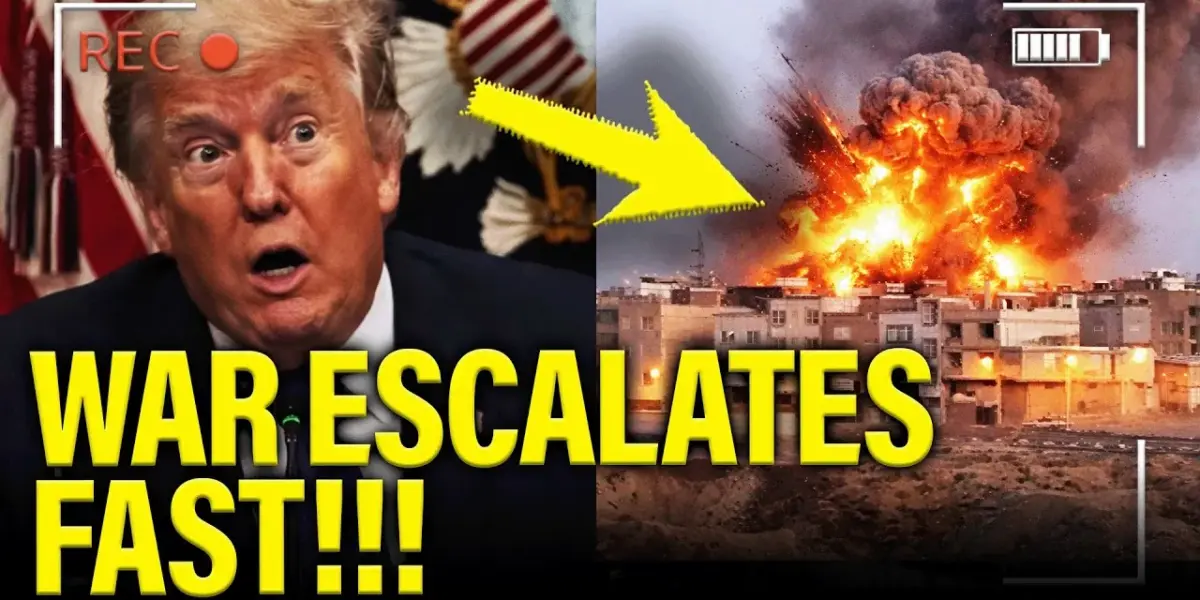
Iran War Escalates: Trump’s Risky Gamble Backfires Amidst Regional Chaos
The simmering conflict between the United States and Iran, now seemingly a full-blown war, has dramatically intensified, painting a grim picture for American interests in the Middle East. Recent US and Israeli strikes targeting Iranian military assets, including those of the Islamic Revolutionary Guard, have unfortunately led to civilian casualties within Iran. However, Iran has retaliated forcefully, striking at US interests and those of its regional allies, signaling a dangerous escalation with far-reaching consequences.
A Faltering Military Front and Internal Discord
The conflict’s severity is underscored by the reported downing of a US F-15E Strike Eagle over Iran, though thankfully, the pilots were safely recovered. In a telling sign of the prolonged nature of the conflict, U.S. Central Command (CentCom) has requested additional military intelligence officers to its headquarters in Tampa, Florida, to support operations against Iran for at least 100 days, likely extending through September and potentially into 2027. This suggests a strategic expectation of a protracted engagement, a stark contrast to any notion of a swift resolution.
Adding to the strain, internal divisions within the Trump administration regarding the war’s strategy have surfaced. Reports indicate a significant rift between Secretary of Defense and Secretary of State on the approach to the Iran conflict.
Specifically, there’s a contentious debate over whether to deploy U.S. troops into Iran, with one faction advocating for boots on the ground and the other opposing it. This internal discord at the highest levels of government raises concerns about strategic coherence and decisive leadership during a critical period.
The Kurdish Gambit: A Failed Strategy and Betrayal
A particularly controversial aspect of the escalating conflict involves a fabricated narrative pushed by the Trump administration. The U.S. government falsely claimed that Kurdish forces from Iraq and potentially northern Iran were launching an invasion into Iran.
This assertion was swiftly debunked by Kurdish leaders, who denied any such military action and highlighted that they too were being targeted by Iran. This manufactured pretext appears to have stemmed from the Kurds’ refusal to act as U.S. Proxies and serve as the “boots on the ground” for an invasion of Iran.
This alleged coercion and subsequent betrayal of the Kurds is not unprecedented. During Donald Trump’s previous term, the Kurds experienced similar betrayals, notably with Turkey and Syria, leading to the erosion of their autonomous territories. The tactic of fabricating an enemy threat, as seen with the Kurdish invasion claim, is described as a desperate and ineffective ploy that has only served to exacerbate the already volatile situation in the Middle East.
Economic Repercussions and Global Impact
The conflict’s economic ramifications are already being felt globally. Iran’s successful targeting of oil interests in the region, particularly in Qatar, has led to a significant shutdown of its liquefied natural gas (LNG) production. As the world’s second-largest LNG exporter, Qatar’s production halt has sent shockwaves through energy markets.
This disruption, coupled with the closure of the Strait of Hormuz, has caused Brent crude oil prices to surge above $82.50 per barrel, with gas prices increasing by nearly 20% since January. Projections suggest prices could reach $100 per barrel, potentially crippling the global economy and leading to significantly higher gas prices for consumers.
The impact extends beyond energy markets. China’s largest oil refineries have been ordered to suspend diesel and gasoline exports amid the Strait of Hormuz closures, further signaling the global reach of this regional conflict. An oil tanker explosion off the coast of Kuwait, resulting in a massive oil spill, is a stark visual reminder of the environmental and economic damage unfolding.
Radicalization and Internal Unrest in Iran
The war’s impact within Iran is also a critical, albeit grim, development. The narrative suggests that the Trump administration’s actions have inadvertently strengthened hardline elements within Iran. While the previous Ayatollah Khomeini was reportedly facing declining popularity and internal dissent due to economic woes, the current conflict and the subsequent mourning of his martyrdom have seemingly galvanized support and entrenched a more extremist faction, potentially led by his son, who was reportedly responsible for suppressing past protests.
The fear of reprisal, exacerbated by past instances where U.S. Support for protesters was withdrawn, has suppressed pro-democracy movements within Iran. Instead, the demonstrations observed are reportedly in support of the government, with chants of “Death to America” echoing in various regions. This outcome is presented as a direct consequence of a foreign policy that has, intentionally or not, empowered hardliners and further radicalized segments of the Iranian population against the United States.
A Pattern of Global Instability and Self-Enrichment
The analysis extends beyond Iran, suggesting a broader pattern of U.S. military engagement and questionable foreign policy under the Trump administration. The transcript points to ongoing military operations in Ecuador and a controversial intervention in Venezuela, where alleged deals involving oil and gold are seen as benefiting specific oligarchs and enriching the administration. The indictment of Venezuelan officials, followed by brokered deals for gold exports, is presented as a coercive tactic to extract resources.
The conflict in Iran is framed within a larger context of global instability, including ongoing wars in Afghanistan and Pakistan, and the vulnerability of Taiwan. The reliance on Ukraine for expertise in dealing with Iranian drones and missiles, while simultaneously withholding aid to Ukraine, highlights perceived strategic inconsistencies.
Historical Context and Future Outlook
The narrative draws parallels between the current situation and past foreign policy decisions, particularly regarding the handling of the Syrian civil war and the betrayal of Kurdish allies. The repeated use of inflammatory rhetoric, coupled with a disregard for congressional authorization for military action, is presented as a dangerous precedent. The self-assessment of the war’s success as a “15 out of 10” is contrasted with the handling of the COVID-19 pandemic, suggesting a pattern of inflated self-praise in the face of escalating crises.
The future outlook appears bleak, with predictions of a protracted, potentially never-ending war. The entrenchment of hardline regimes, emboldened by perceived U.S. Actions, suggests a long period of heightened regional tensions and global instability. The analysis concludes by emphasizing the need for informed citizens and the importance of understanding the complex geopolitical forces at play, particularly as they intersect with domestic political agendas and personal enrichment.
Why This Matters
The escalating conflict in Iran, as depicted in this analysis, carries profound implications for global security, economic stability, and the future of international relations. The potential for a prolonged war in the Middle East, fueled by miscalculations and internal political maneuvering, poses a significant threat to the delicate balance of power in the region and beyond. The economic repercussions, including volatile energy prices and supply chain disruptions, could have a devastating impact on economies worldwide, particularly affecting vulnerable populations.
The narrative raises critical questions about the effectiveness and ethical implications of foreign policy decisions. The alleged use of fabricated pretexts, the betrayal of allies, and the potential for self-enrichment at the expense of international stability are serious accusations that warrant scrutiny.
The radicalization of populations and the empowerment of extremist factions, a potential outcome of the current conflict, could lead to generations of instability and violence. Understanding these dynamics is crucial for navigating a complex and increasingly interconnected world, where the actions of a few can have far-reaching and devastating consequences for many.
Source: Trump PANICS by SUDDEN ESCALATION of WAR!! (YouTube)

Related Articles
Fox News Scrambles as Trump’s Support Hits Historic Lows
Fox News faces scrutiny as Donald Trump's poll numbers reportedly plummet, leading the network to employ unusual tactics. From attacking the Pope to focusing on culture wars, the network appears to be scrambling to support Trump amidst growing controversies and declining public favor.

Trump’s War on the Pope: A Risky Gamble for Catholics
Donald Trump's recent criticism of Pope Francis risks alienating Catholic voters, a key demographic for Republicans. Meanwhile, experts describe the ongoing Middle East conflict as a "colossal disaster," with Iran consolidating influence and geopolitical alliances shifting. This dual approach appears to be a risky gamble driven by political desperation and a flawed strategy.

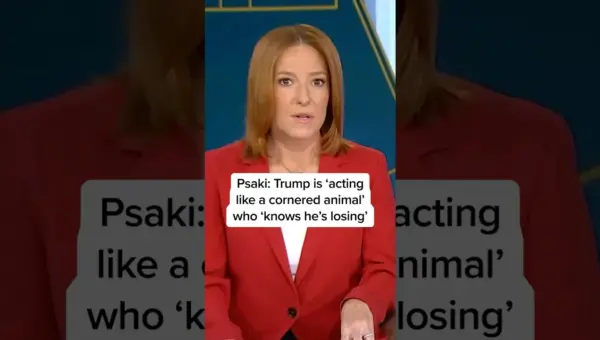
Psaki: Trump ‘Cornered Animal’ Losing Support, Polls Show
Jen Psaki has described Donald Trump's campaign behavior as that of a 'cornered animal' who 'knows he's losing.' Psaki cited recent polls showing Trump's approval ratings have fallen below 40 percent in six tracked surveys. This suggests a potential weakening of his support base and a defensive posture in his public actions.