Trump’s Iran Gamble Risks MAGA Base, Reshapes Global Alliances
Ambassador John Bolton discusses the strategic implications and risks of President Trump's military engagement with Iran. The analysis explores the potential impact on Trump's political future, the MAGA base, and the shifting global alliances amidst the escalating conflict.

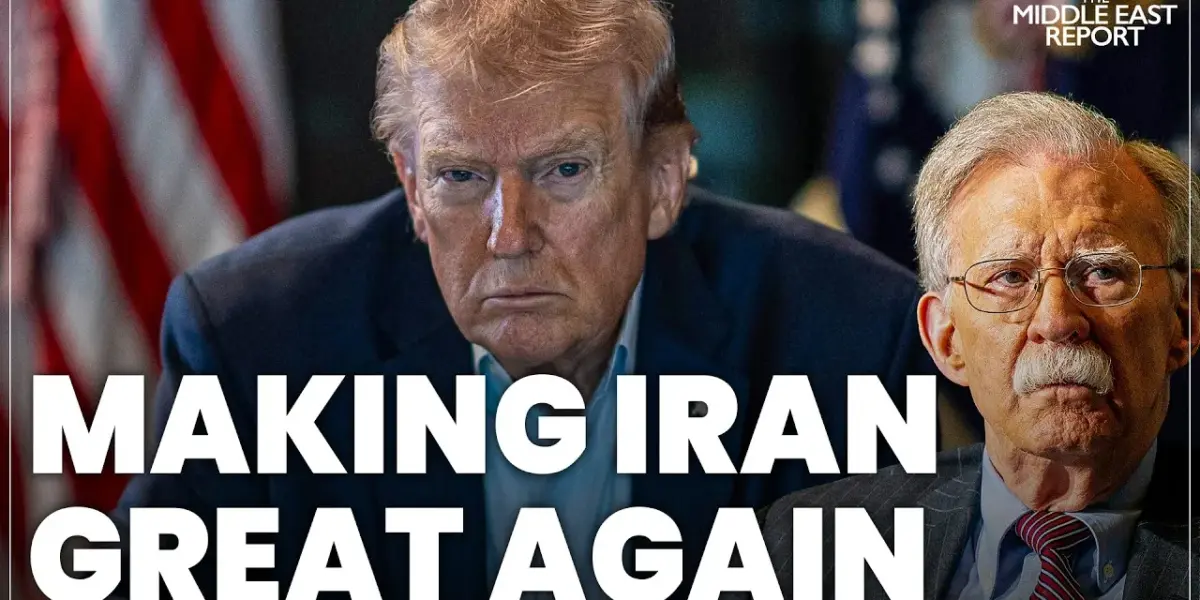
Trump’s Iran Gamble Risks MAGA Base, Reshapes Global Alliances
The unfolding US-Israeli military engagement with Iran marks a significant, and potentially precarious, moment for President Donald Trump. While the objectives of regime change in Tehran have long been a stated desire for figures like former National Security Adviser John Bolton, the current approach has left many, including segments of Trump’s own base and Republican leadership, “discombobulated.” This divergence from expected isolationist tendencies raises profound questions about Trump’s political future and the shifting sands of international relations.
Bolton’s Strategic Vision and Concerns
Ambassador John Bolton, a vocal advocate for regime change in Iran, views the military actions taken thus far as having the “right objectives” and an “entirely good start.” However, his endorsement is tempered by significant concerns. Bolton highlights a critical lack of groundwork laid with the American public to justify such a robust military stance.
He points to inadequate consultation with Congress and key allies, as well as insufficient engagement with the Iranian opposition itself. While acknowledging some outreach to Iraqi Kurdish leaders like Barzani and Talibani, Bolton stresses the urgency of correcting these oversights, noting that “time is running.”
Defining War Aims: Regime Change vs. Pragmatism
A central tension in the current situation is the ambiguity surrounding the war’s ultimate aims. While President Trump has explicitly stated “regime change” as the goal, Defense Secretary Pete Hex has offered different interpretations. Bolton argues forcefully that regime change is the only viable path forward.
He posits that the current Iranian regime is inherently driven by the pursuit of nuclear weapons and international terrorism, making it an intractable problem unless fundamentally altered. The alternative, he suggests, is to perpetually “massage the problems” rather than solving them.
Bolton believes that European nations, facing direct threats from Iran’s ballistic missile capabilities and terrorism, should align with the US and Israel. He also anticipates support from Gulf Arab states, who, despite preferring a non-conflictual solution, now see the strategic landscape similarly to the US and Israel. The attacks on civilian targets by Iran, rather than solely on American bases, have likely alienated these regional players, pushing them towards a more unified stance against Tehran.
International Response: Alliances and Hesitations
The international response has been mixed. While Canada, Australia, and New Zealand have explicitly backed the US, a notable hesitation has come from key European allies, particularly the UK.
Bolton criticizes the UK’s decision to deny US forces takeoff from RAF bases as a “big mistake,” especially after Iran attacked a British base on Cyprus. He argues that this constitutes a direct attack on UK territory, granting a right to self-defense, and that political hesitations are based on “bizarre theories of international law.”
The broader reluctance of Western nations, particularly in Europe, is attributed by Bolton to a post-Soviet “end of history” mentality. This led to diminished defense budgets and a short-sighted view of global security, where nations like China are seen merely as trading partners. This “kind of isolationism,” as Bolton terms it, creates a dangerous disconnect from the realities of global conflict.
Trump’s Presidency on the Line
The stakes for President Trump are exceptionally high. This military action represents arguably the most consequential decision of his presidency, occurring in a midterm election year where Republican prospects were already uncertain.
Bolton emphasizes that Trump is staking “a lot of his future reputation” on the success of this operation. He urges Trump to rectify the strategic missteps made thus far.
The strategy, as outlined by Bolton, involves not just direct military strikes but also degrading the instruments of Iranian state power, such as the Revolutionary Guard and the Quds Force. By dismantling these forces, the aim is to demonstrate to the Iranian regime and its opposition that the regime can no longer protect itself, thereby encouraging defections and internal fragmentation. This approach requires active coordination with the Iranian opposition, an area Bolton fears has not been adequately pursued.
The Future of the Conflict and Iranian Leadership
Looking ahead, Bolton acknowledges the uncertainty of the conflict’s duration. He expresses skepticism about the new leadership emerging in Iran, particularly the son of the current supreme leader, viewing him as a potentially controversial figure whom Trump might engage with but should not inherently trust. The core objective, in Bolton’s view, remains securing regime change, not a negotiated peace with the existing power structure.
The sophisticated intelligence operations, such as those employed by Israeli intelligence in hacking Tehran’s infrastructure, represent the “war of the future.” Bolton praises these efforts, suggesting that US intelligence could learn from Israeli expertise. However, he also warns that such capabilities are being closely watched by adversaries like China, highlighting the need for robust defensive measures.
Why This Matters
This analysis digs into a critical juncture in US foreign policy and President Trump’s political standing. The decision to engage militarily with Iran, diverging from a perceived isolationist base, carries immense risk and potential reward. It forces a re-evaluation of America’s role in the Middle East, its relationship with allies, and the effectiveness of its diplomatic and military strategies.
The differing interpretations of war aims and the international community’s hesitant response highlight the complex geopolitical landscape. For Trump, the outcome of this conflict could define his legacy, impacting not only his future political aspirations but also the long-term stability and security of the region.
Implications, Trends, and Future Outlook
The implications of this conflict are far-reaching. It signals a potential shift away from Trump’s more transactional foreign policy towards a more interventionist stance, albeit one framed around national security interests. The hesitant response from traditional allies like the UK suggests a growing divergence in strategic priorities and a potential weakening of transatlantic security cohesion.
The conflict also highlights the increasing importance of cyber warfare and intelligence gathering in modern military engagements. The future outlook depends heavily on the success of the stated objective of regime change, the broader regional stability it fosters or disrupts, and the enduring impact on the MAGA movement’s core tenets.
Historical Context and Background
The current US-Iran tensions are rooted in decades of animosity, including the 1979 Iranian Revolution, the subsequent hostage crisis, Iran’s support for militant groups, and its pursuit of nuclear capabilities. Previous US administrations have employed various strategies, from sanctions to diplomatic overtures, with limited success in curbing Iran’s regional influence or its nuclear ambitions.
The Trump administration’s withdrawal from the Joint Comprehensive Plan of Action (JCPOA) in 2018 and the subsequent “maximum pressure” campaign set the stage for the current escalation. John Bolton himself has a long history of advocating for a more confrontational approach, including military action, against Iran, making his perspective a key indicator of hardline foreign policy thinking.
Source: Has Trump lost the MAGA movement after Iran war? L Ambassador John Bolton (YouTube)

Related Articles
Fox News Scrambles as Trump’s Support Hits Historic Lows
Fox News faces scrutiny as Donald Trump's poll numbers reportedly plummet, leading the network to employ unusual tactics. From attacking the Pope to focusing on culture wars, the network appears to be scrambling to support Trump amidst growing controversies and declining public favor.

Trump’s War on the Pope: A Risky Gamble for Catholics
Donald Trump's recent criticism of Pope Francis risks alienating Catholic voters, a key demographic for Republicans. Meanwhile, experts describe the ongoing Middle East conflict as a "colossal disaster," with Iran consolidating influence and geopolitical alliances shifting. This dual approach appears to be a risky gamble driven by political desperation and a flawed strategy.

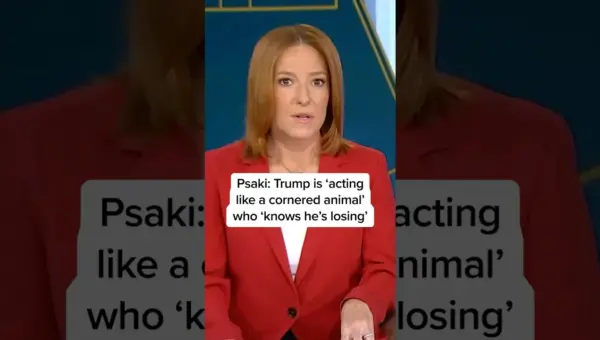
Psaki: Trump ‘Cornered Animal’ Losing Support, Polls Show
Jen Psaki has described Donald Trump's campaign behavior as that of a 'cornered animal' who 'knows he's losing.' Psaki cited recent polls showing Trump's approval ratings have fallen below 40 percent in six tracked surveys. This suggests a potential weakening of his support base and a defensive posture in his public actions.