Markets Plunge Amid War Fears, Inflation Concerns
Major stock markets plunged this week, with the Dow entering correction territory amid fears of a prolonged war with Iran. Surging oil prices and rising mortgage rates are fueling concerns about inflation, prompting speculation of further interest rate hikes by the Federal Reserve. Investors are bracing for potential long-term damage to global energy infrastructure and a slowdown in economic growth.

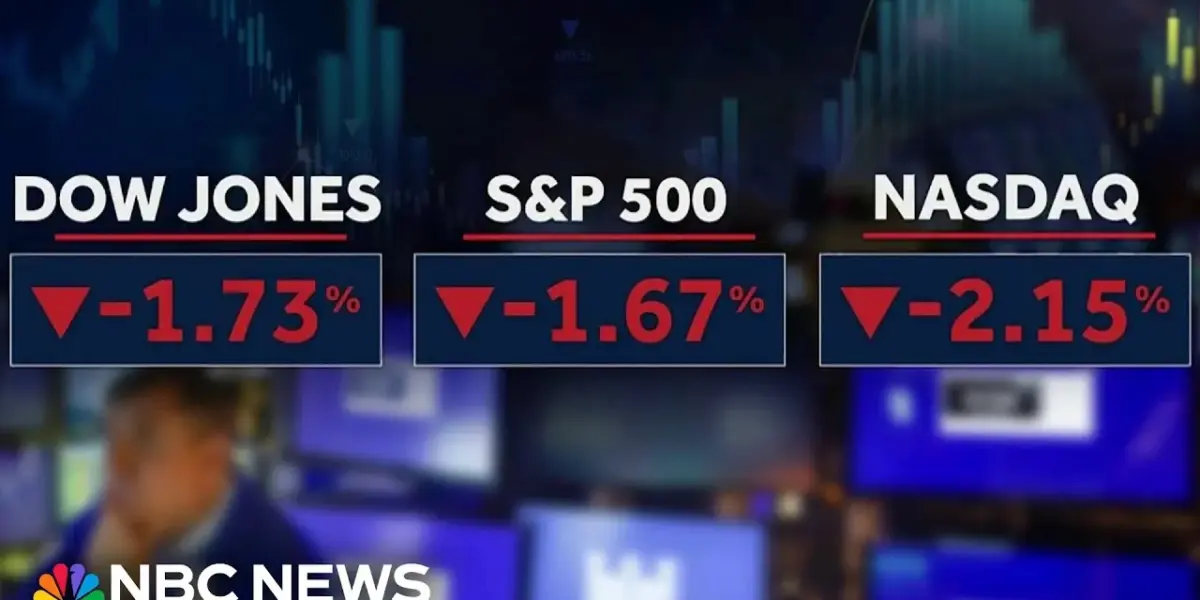
Markets Face Steep Losses as Global Tensions Rise
Major stock markets experienced significant drops this week, with the Dow Jones Industrial Average falling into what is commonly called a correction. This means the market has fallen 10% or more from its recent high.
The sharp decline is largely driven by growing fears over a prolonged conflict with Iran and persistent inflation worries. Investors are reacting to the potential for widespread damage to global energy infrastructure, which experts now believe has been seriously underestimated and could take years to repair.
Crude oil prices surged past $101 a barrel as concerns mount over the Strait of Hormuz. This critical waterway is a vital shipping route for oil, and its potential closure due to conflict could severely disrupt global energy supplies.
The uncertainty surrounding its future is a major factor contributing to the market’s unease. This instability in energy markets directly impacts businesses and consumers alike, creating a ripple effect across the economy.
Inflation Fears Prompt Rate Hike Speculation
Adding to the market’s worries are rising mortgage rates, which have climbed to 6.64%. This increase suggests that the Federal Reserve may be forced to raise interest rates further to combat stubborn inflation.
Higher interest rates make borrowing more expensive for both individuals and businesses. This can slow down spending and investment, potentially impacting economic growth.
The Federal Reserve’s actions are closely watched by markets. Any indication that they will continue to tighten monetary policy to control inflation can lead to increased volatility.
Investors are trying to gauge how aggressively the Fed will act and what the consequences might be for the broader economy. This balancing act between controlling inflation and avoiding a recession is a key challenge for policymakers.
Economic Indicators Signal Growing Caution
The current market downturn is a clear signal of growing economic caution among investors. The combination of geopolitical instability and inflationary pressures creates a challenging environment.
Businesses are facing higher costs for energy and financing, which can impact their profitability and expansion plans. Consumers may also feel the pinch through higher prices and borrowing costs.
Even companies known for their stability are feeling the effects. For example, shares of Campbell’s, a company famous for its affordable soup, saw a notable increase of a dollar per share.
This suggests that investors might be seeking out more defensive stocks, those considered less risky during uncertain economic times. These companies often provide essential goods and services that people continue to buy regardless of economic conditions.
Broader Implications for Global Economy
The events unfolding in the market have far-reaching implications for the global economy. A sustained period of high oil prices and rising interest rates can lead to slower economic growth worldwide.
International trade could also be affected if shipping routes remain disrupted. Many countries rely on stable energy markets and predictable financial conditions to maintain their economic stability.
The current situation highlights the interconnectedness of global markets. Events in one region, like the Middle East, can quickly impact financial conditions and consumer confidence in distant parts of the world.
This highlights the need for careful monitoring of geopolitical developments and their potential economic fallout. The long-term effects will depend on how quickly global tensions can be resolved and how effectively central banks can manage inflation without stifling economic recovery.
What to Watch Next
Investors will be closely watching developments in the Middle East and the Federal Reserve’s upcoming statements on interest rates. Any positive de-escalation of the conflict or clear signals on inflation control could help stabilize markets. Conversely, further escalation or persistent inflation could lead to more significant market declines and economic headwinds.
Source: Major economic warning signs as markets plummet (YouTube)

Related Articles


Trump’s Iran Flip-Flop Jolts Global Markets
President Trump's threats and subsequent reversals on Iran have caused significant volatility in global markets. While markets often rebound expecting a "TACO" moment, the underlying economic costs and potential for renewed instability persist. The true impact depends on resolving real-world issues beyond presidential statements.


Iranians Flee War, Seek Refuge at Turkey Border
Thousands of Iranians are fleeing intense conflict and seeking refuge at the Turkish border, describing daily fear and uncertainty. With Iranian airspace closed, this land crossing is a vital escape route for those desperate for safety and an end to the violence. Many express a longing for freedom and hope for their country's eventual victory.
Iran Crisis Eases, Oil Prices Poised for $60 Drop
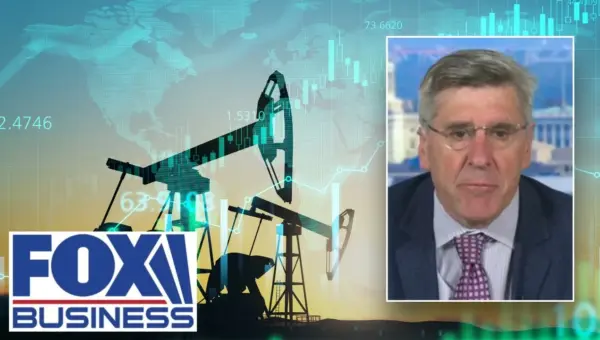
Economist Stephen Moore forecasts a significant drop in oil prices to $55-$60 per barrel once the Iran situation resolves. While consumer prices may see a temporary jump, overall supply is expected to surge, making the U.S. a net exporter.