War Ripples: Iran Conflict Drives Up Costs for Plastics, Fertilizer
The war involving Iran is causing significant economic disruptions far beyond higher gas prices. Essential products like fertilizer and plastics are seeing price surges due to disrupted shipping routes. This conflict is also increasing borrowing costs for consumers and potentially impacting food prices.


War’s Economic Fallout Extends Beyond Gas Prices
The conflict involving Iran is having a significant economic impact that stretches far beyond the gas pump. While many Americans notice higher prices at the gas station, the war is disrupting global supply chains for essential products like fertilizer and helium. The ripple effects are already being felt across various industries and are expected to continue.
Fertilizer Costs Skyrocket for Farmers
Farmers are facing a steep increase in the cost of essential supplies needed for spring planting. A significant portion of the world’s fertilizer ingredients passes through the Strait of Hormuz, a critical shipping route now experiencing near standstill due to the conflict. This disruption has caused the price of urea, a key nitrogen-based fertilizer, to jump more than 70% since the war began.
Farmers like Tom Waters in Missouri are already feeling the pinch. “We just have to really work hard to trim our cost,” Waters stated, highlighting the pressure to manage expenses as demand for fertilizer and fuel rises with the planting season.
Impact on Food Prices Looms
As the cost of fertilizer increases, the potential for higher food prices becomes a serious concern. When farm operating costs go up, these expenses often translate to consumers at the grocery store. This situation is particularly challenging as farmers prepare for the crucial spring planting season, a time when demand for both fertilizer and fuel is naturally high.
Helium Shortage Affects High-Tech Industries
Another critical product impacted by the conflict is helium. This gas is vital for numerous high-tech applications, including the manufacturing of semiconductor chips, the operation of MRI machines, and the construction of rockets. Helium is produced as a byproduct of liquid natural gas (LNG) processing, and Qatar, a major supplier, is experiencing shrinking supplies due to the war.
This has led to soaring prices and potential shortages, putting buyers in a difficult position. “They’ll pay pretty much any price, but it’s about is there an actual disruption in the supplies that they can’t they get it at all?” one observer noted, indicating the desperation for a stable supply.
Plastics and Borrowing Costs Also on the Rise
The economic fallout is also affecting the price of plastics, such as polyethylene, which is used in everyday items like bottles and shopping bags. Prices for these plastics have surged over 30% since the war started. Experts warn that the conflict is driving up borrowing costs for consumers.
Even though the Federal Reserve is keeping interest rates steady, the cost of loans like auto loans, credit card debt, and mortgages is becoming more expensive. The average rate for a 30-year fixed mortgage has already increased by about half a percentage point this month.
Higher Rates Erode Affordability
These rising borrowing costs are expected to persist, making it harder for people to afford major purchases. “In this environment, we’re likely to see those rates remain quite a bit higher than they were pre-conflict,” experts predict. This trend will “erode affordability for many potential home buyers, for many potential consumers looking to buy large ticket items.” The war’s economic reach means that even individuals not directly involved in commuting or affected by gas prices can still feel the financial strain through increased costs on essential goods and borrowing.
Looking Ahead
As the conflict continues, attention will remain on the Strait of Hormuz and its impact on global trade routes. The sustained disruption to key shipping lanes will likely keep prices for fertilizer, plastics, and potentially food elevated. Consumers and industries will be watching closely for any signs of de-escalation or alternative supply chain solutions that could alleviate the rising costs.
Source: How the war with Iran is impacting prices of plastics, fertilizer and more (YouTube)

Related Articles

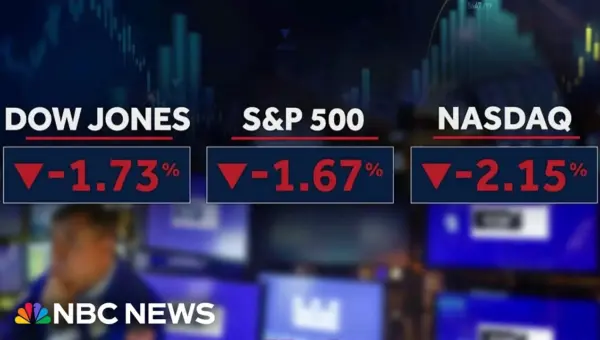
Markets Plunge Amid War Fears, Inflation Concerns
Major stock markets plunged this week, with the Dow entering correction territory amid fears of a prolonged war with Iran. Surging oil prices and rising mortgage rates are fueling concerns about inflation, prompting speculation of further interest rate hikes by the Federal Reserve. Investors are bracing for potential long-term damage to global energy infrastructure and a slowdown in economic growth.


Iranians Flee War, Seek Refuge at Turkey Border
Thousands of Iranians are fleeing intense conflict and seeking refuge at the Turkish border, describing daily fear and uncertainty. With Iranian airspace closed, this land crossing is a vital escape route for those desperate for safety and an end to the violence. Many express a longing for freedom and hope for their country's eventual victory.


Florida Fishermen Face Ruin as Diesel Prices Soar
Florida fishermen are expressing deep frustration as soaring diesel prices, linked to the war in Iran and past tariffs, threaten their livelihoods. Many voters who supported Republican candidates feel their expectations for economic relief have not been met, leading to disillusionment and uncertainty about the future of their industry.