Voter ID Laws: O’Leary Says Simple Proof Needed for Voting
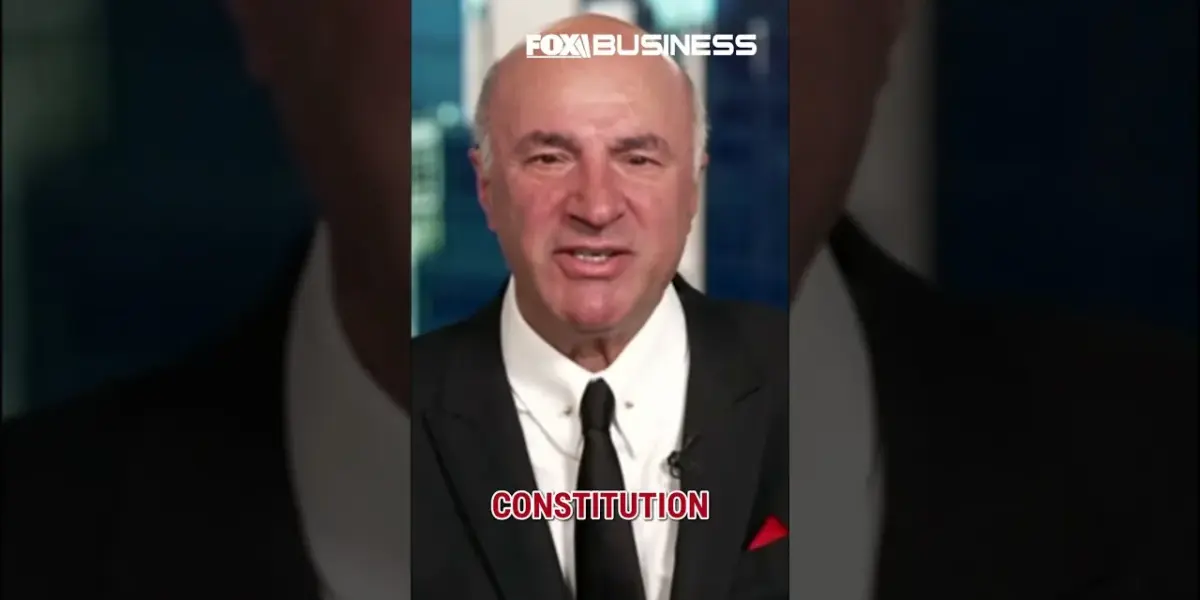
Investor Kevin O'Leary argues that requiring voter identification is a simple, common-sense measure already practiced globally. He believes it reduces fraud concerns and aligns with the constitutional right of citizens to vote. O'Leary questions the ongoing debate, stating that proving one's identity is a straightforward requirement for voting.

Voter ID Laws: O’Leary Says Simple Proof Needed for Voting
Investor Kevin O’Leary is calling for stricter voter identification requirements, arguing that requiring a form of ID to vote is a simple and common-sense measure. He points out that most countries worldwide, including those in Europe and Nordic nations, already require citizens to show identification when casting a ballot. This practice, he believes, helps reduce concerns about election fraud, a topic that frequently sparks debate during election cycles.
O’Leary’s core argument rests on the principle that voting is a right reserved for citizens. He emphasizes that this is already enshrined in the U.S. Constitution. Therefore, he questions why there is any debate around making the voting process straightforward by asking individuals to prove their identity.
He finds the current discussion around the issue confusing, stating, “If you’re not a citizen, you can’t vote. That’s in the Constitution. It’s that simple.”
The Case for Voter ID
The debate over voter identification laws often centers on balancing election security with voter access. Proponents, like O’Leary, argue that voter ID laws are essential to prevent fraud and maintain public trust in election outcomes.
They suggest that requiring a government-issued ID, such as a driver’s license or passport, is a minimal step that confirms a voter’s identity and citizenship. This process, they contend, is no different from what is required for many everyday transactions, like boarding an airplane or picking up a prescription.
The argument is that if you need to show identification for many activities, voting should be no different. O’Leary’s perspective suggests that the current narrative surrounding voter ID laws is unnecessarily complicated. He believes that implementing a clear requirement for identification would resolve much of the controversy.
“So, why not make it very simple? If you want to vote, prove your ID. End of story,” he stated.
What Investors Should Know
While O’Leary focuses on the simplicity and security aspects of voter ID, the political and legal ramifications of such laws can be complex. Different states in the U.S. Have varying voter ID requirements, ranging from non-photo ID to strict photo ID laws.
These laws can sometimes become points of contention, with critics arguing they disproportionately affect certain demographics, such as low-income individuals, the elderly, or minority groups, who may have more difficulty obtaining the required identification. This can lead to debates about voter suppression versus election integrity.
For investors, understanding these debates is important as they can influence public policy and, consequently, the business environment. Issues related to voting rights and election integrity are often part of broader discussions about governance and social responsibility.
While O’Leary’s view is straightforward, the practical implementation and impact of voter ID laws are subjects of ongoing political and legal scrutiny. These discussions are unlikely to cease, especially as election cycles approach.
The core of the discussion, as framed by O’Leary, is about ensuring that only eligible citizens participate in elections. He sees voter ID as a direct solution to potential irregularities and a way to affirm the integrity of the democratic process. The focus is on making the act of voting secure and transparent for all eligible citizens.
The conversation around voter ID laws is a recurring theme in American politics. As different jurisdictions consider or update their voting regulations, the arguments for and against strict identification requirements continue to be debated. The simplicity O’Leary advocates for often clashes with the complexities of ensuring access for all eligible voters.
Source: Kevin O'Leary: If you're not a citizen, you can't vote (YouTube)

Related Articles
Bannon Suggests ICE Airport Checks Are Election ‘Test Run’
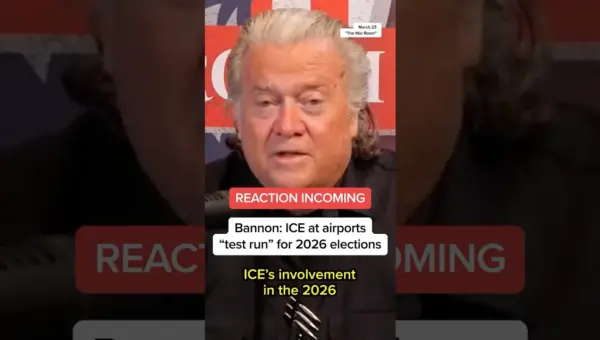
Steve Bannon suggested that recent ICE operations at airports should be viewed as a 'test run' for the 2026 elections. Legal analyst Charles Coleman Jr. reacted strongly, warning that such rhetoric could be used for voter intimidation. The comments raise concerns about the potential weaponization of immigration enforcement for political gain.
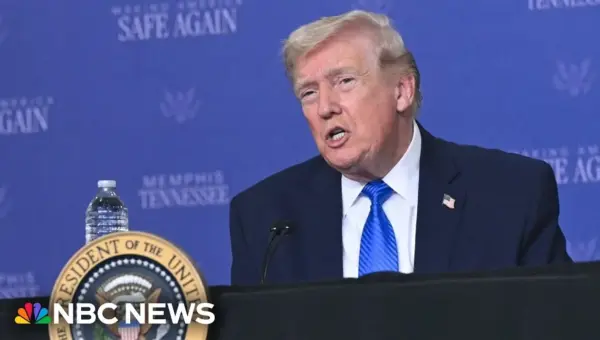
Trump Urges GOP: No Deals Without Voter ID, Citizenship Proof
Former President Donald Trump is demanding that Republicans refuse any legislative deals unless they include voter ID laws and proof of citizenship for voting. He strongly criticized mail-in voting, calling it "mail-in cheating." Trump urged the GOP to pass his "Save America Act" to ensure election integrity nationwide.
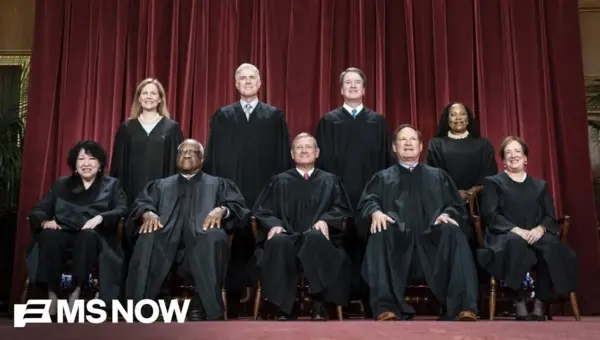
Supreme Court Debates Mail-In Ballots Received After Election Day
The Supreme Court heard arguments on whether states should count mail-in ballots received after Election Day, even if postmarked on time. The case could impact voters in over a dozen states, including military personnel serving abroad. A decision is expected by the end of June.