Trump’s Chaotic Diplomacy Fuels Iran Tensions
Conflicting reports and last-minute changes surrounding JD Vance's role in Iran negotiations highlight the Trump administration's chaotic foreign policy. This pattern of escalating threats followed by claims of progress raises questions about U.S. credibility and the path toward stability.

Trump’s Chaotic Diplomacy Fuels Iran Tensions
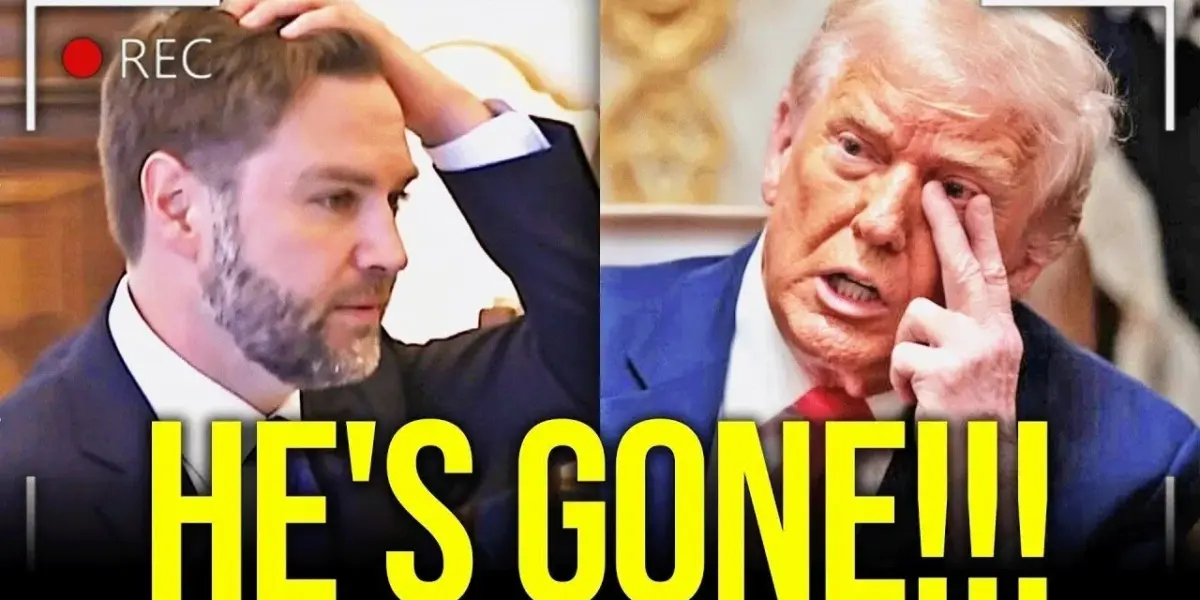
The Trump administration’s approach to foreign policy, particularly concerning Iran, has been marked by a confusing mix of threats and negotiations. This was highlighted by a bizarre incident involving Vice President JD Vance, who was initially removed from a delegation to Pakistan for talks with Iran, only to be reinstated at the last minute.
The situation began with reports that Vance would lead the American delegation. However, this was quickly followed by statements citing security concerns as the reason for his removal. Then, Donald Trump himself made a statement about Vance being back on the trip, leading to contradictory information and a sense of disarray within the administration.
This internal confusion comes at a time when tensions with Iran are already high. Trump issued new threats against Iran, targeting infrastructure like power plants and bridges. This escalation followed a period of conflicting messages about the Strait of Hormuz, which was declared open for business by Trump, only to be reportedly closed by Iran shortly after.
A Pattern of Escalation and De-escalation
This cycle of threats and then claims of progress before major market openings has become a recurring theme. Trump often makes extreme pronouncements, such as threatening to destroy Iran’s infrastructure. Then, just before the markets open on Monday, he announces that a deal is imminent or that progress has been made.
The core issue highlighted is the apparent lack of coordination within the executive branch. Reports from different journalists throughout the morning showed conflicting information about Vance’s travel plans. This suggests a breakdown in communication, making it difficult to conduct serious negotiations.
Imagine preparing for an important job interview. If you only found out you had to go 30 minutes before, you wouldn’t be ready. This is the situation Vance and the U.S. delegation faced, leading to questions about the seriousness and preparedness of the talks.
Historical Context: A Perpetual Conflict?
The current situation echoes past predictions about a perpetual conflict with Iran. Some have argued that the administration’s strategy might be to maintain ongoing oversight and potential strikes, rather than seeking a clear resolution. This approach could lead to a cycle of military action every few months.
Critics point out that the main weapon systems that pose a real threat to the U.S. remain intact. Previous military actions, while perhaps destroying older equipment, did not fundamentally alter Iran’s strategic capabilities. The replacement of leadership with younger, more radical figures also suggests a potential acceleration of Iran’s objectives.
The transcript suggests that Iran’s current thinking might be to accelerate its nuclear program, rather than back down. This contradicts the idea that past actions have deterred them effectively.
The Strait of Hormuz: A Point of Contention
A recent incident involving the Strait of Hormuz further illustrates the tension. Trump claimed Iran fired shots, violating a ceasefire agreement. However, the transcript argues that the U.S. broke the ceasefire first by not removing a naval blockade, which prevented Iran from exporting oil.
Iran’s actions, according to this view, were a response to the blockade. Trump’s narrative, however, framed Iran as the aggressor. He then announced his representatives would go to Pakistan for negotiations, while simultaneously threatening to destroy Iran’s power plants and bridges if a deal was not accepted.
The transcript dismisses the idea that the Strait of Hormuz was ever truly open for business. It suggests that Trump’s announcement was an attempt to manipulate media perception, while Iran maintained control of the waterway.
JD Vance’s Role and Future Implications
The situation is particularly significant for JD Vance, who faces potential foreign policy challenges in a future presidential run. Iran’s specific request for Vance to lead the delegation is noteworthy. Some believe Iran views Vance as a weaker negotiator compared to others like Kushner and Witoff.
According to this perspective, Iran felt they were making progress with Kushner and Witoff, only to face bombing and threats. They may see Vance as someone they can influence, especially if they feel previous negotiators were not acting in good faith.
The ongoing cycle of threats and perceived lack of progress is seen as damaging to the United States’ global credibility. When a leader makes repeated, extreme threats that are not followed through, it can undermine their standing on the world stage.
Why This Matters
The chaotic nature of these diplomatic maneuvers raises serious questions about the effectiveness and seriousness of U.S. foreign policy. The constant shifts and conflicting messages create an environment of instability, both domestically and internationally.
For the American public, this pattern can be confusing and costly. The ongoing military posturing and negotiations consume significant resources. The lack of clear outcomes and the reliance on threats rather than consistent diplomacy can erode trust in leadership.
The credibility of the United States as a reliable actor in global affairs is at stake. When pronouncements are made and then seemingly ignored or retracted, it weakens the nation’s ability to negotiate and deter adversaries effectively.
Trends and Future Outlook
The trend suggests a continued reliance on aggressive rhetoric, followed by de-escalation before significant market events. This approach, while perhaps intended to project strength, appears to be leading to a perpetual state of tension rather than resolution.
The future outlook indicates a potential for continued military engagements and diplomatic stalemates. The lack of clear communication and strategy within the administration makes it difficult to foresee a stable path forward.
The upcoming negotiations in Pakistan will be a key indicator of whether this chaotic approach can yield any substantive results or if it will simply perpetuate the current cycle of conflict.
Next Steps: The U.S. delegation’s negotiations in Pakistan are scheduled to begin soon, with the outcomes expected to influence the ongoing situation with Iran.
Source: Trump KICKS JD Vance OUT for FAILED DEAL (YouTube)

Related Articles

Ukrainian Refugees Face Violence Abroad Amid War
Ukrainian refugees are increasingly becoming victims of violent crimes abroad, a trend fueled by displacement, lack of support, and shifting political sentiments. Attacks in the U.S. and Europe highlight the vulnerability of those fleeing the ongoing war.

Trump Threatens Iran: ‘Blow Up The Whole Country’ If No Deal
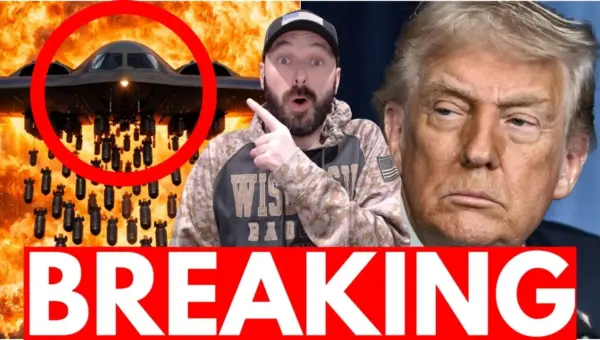
President Trump has threatened to "blow up all of Iran" if a deal isn't reached following recent attacks in the Strait of Hormuz. Iran retains significant missile and drone capabilities, while both sides appear to be preparing for renewed conflict. The situation highlights the volatile nature of U.S.-Iran relations and the potential for global economic disruption.

Middle East Diplomacy Fuels Market Rally; Oil Prices Tumble
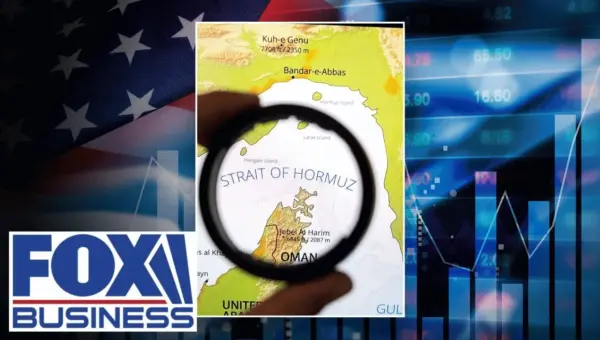
Middle East diplomacy has ignited a significant rally across U.S. stock markets, with the Dow Jones Industrial Average and NASDAQ Composite posting substantial gains. This optimism is fueled by a sharp drop in oil prices, which fell 10% to around $85 a barrel, signaling potential relief at the gas pump. The positive sentiment is boosting the tech sector, particularly companies involved in artificial intelligence, as investors embrace a 'risk-on' environment.