Johnson Champions Trump Tax Cuts: A Permanent Boon for Families?
House Speaker Mike Johnson is promoting the Trump-era tax cuts, calling them permanent and the largest in history. He claims the "working families tax cuts" lower taxes, increase refunds, and benefit Americans nationwide. This legislation aims to simplify the tax code and reward hard work.

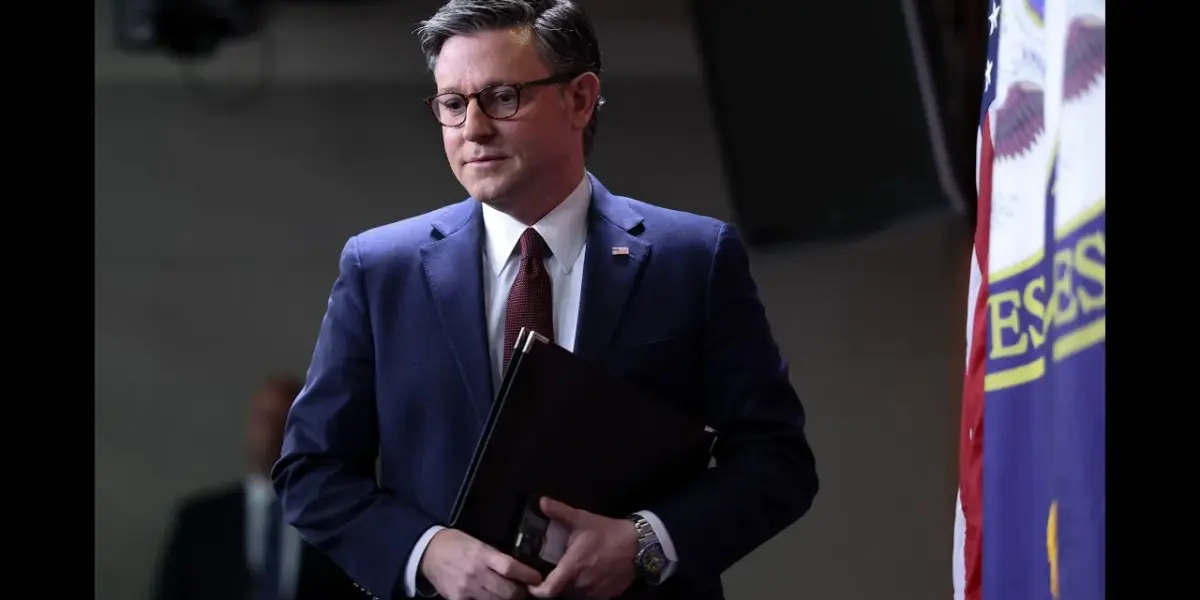
Speaker Mike Johnson is highlighting a major legislative achievement: tax cuts. He claims these cuts, signed into law last summer under President Trump’s administration, are a “big beautiful bill” benefiting Americans nationwide. Johnson stated that this filing season, people will see lower taxes, larger refunds, and more money in their bank accounts.
The Speaker emphasized that these changes were intentional. He believes the “working families tax cuts” are helping people in every state. These cuts, he says, make taxes lower, simpler, and fairer for families across the country.
A key point Johnson made is that this legislation is permanent. He called it the first permanent tax cut in 40 years.
He also described them as the largest tax cuts in American history. This permanence is a significant detail, meaning the changes are not set to expire soon.
Johnson pointed out that Democratic lawmakers opposed this legislation. He argued that the “big beautiful bill” puts working and middle-class families first. It does this by making the tax code easier to understand, lowering the amount people owe in taxes, and encouraging hard work.
Why This Matters
The core of Speaker Johnson’s message is about economic relief for everyday Americans. By framing these tax cuts as permanent and the largest ever, he aims to solidify their impact.
The focus on working and middle-class families suggests a strategic political move to appeal to a broad base of voters. The opposition from Democrats also sets up a clear political contrast for upcoming elections.
Historical Context and Background
Tax policy has long been a central issue in American politics. Presidents and Congresses frequently debate the best way to structure the tax code to stimulate the economy or provide relief. Trump’s tax cuts, enacted in 2017, were a major legislative victory for his administration.
They significantly lowered corporate and individual income tax rates, though their long-term effects and fairness have been subjects of ongoing discussion. The debate often centers on who benefits most from tax changes and how they affect the national debt.
Implications, Trends, and Future Outlook
If these tax cuts are indeed permanent, as Johnson claims, their effects will be felt for decades. This could influence consumer spending, business investment, and government revenue. The political implications are also substantial, as tax policy often plays a major role in voter decisions.
Republicans will likely continue to champion these cuts, while Democrats may push for their repeal or modification, especially if concerns about the national debt grow. The trend towards simplifying tax codes, even if complex in practice, is a recurring theme in legislative efforts.
The future outlook depends heavily on the political climate. Will Congress revisit these cuts? Will economic conditions necessitate changes?
The permanence of the law suggests a lasting impact, but political realities can always lead to new legislation. The debate over tax fairness and economic growth will undoubtedly continue to shape these discussions.
The next major period for tax discussions will likely coincide with future election cycles. Voters will have the opportunity to weigh in on the effectiveness and fairness of these policies. The Speaker’s emphasis on the current filing season shows a desire to highlight immediate benefits.
Source: Speaker Mike Johnson Touts Big Beautiful Bill Tax Cuts (YouTube)

Related Articles


Cruz Slams ‘Short-Sighted’ Border Bill Plan
Senator Ted Cruz criticized a proposed "skinny bill" for border funding as "short-sighted." He argued for a "wide-bodied bill" including tax reform and increased border security funding. Cruz highlighted the success of past tax cuts, noting significant benefits for taxpayers, but expressed concern over poor communication of these gains.

MP Slams Trump as ‘Gangster’ Amid Mental State Fears
A British Member of Parliament has labeled Donald Trump a "dangerous and corrupt gangster" amid growing international concerns over his mental state. The criticism follows a series of erratic social media posts and threats, sparking questions about his fitness for office. International leaders and even some supporters are expressing alarm, with economic fallout and a breakdown of fear potentially leading to greater pushback.


Trump Battles Fed Chair Over Rates, Faces Hungary Blueprint Loss
Donald Trump continues his public pressure campaign against Federal Reserve Chair Jerome Powell, demanding lower interest rates and even threatening to fire him. This conflict is now intertwined with an investigation into Powell's testimony regarding a Federal Reserve building renovation. Meanwhile, the article draws parallels to Hungary's recent election, where voters ousted Viktor Orbán, signaling a potential warning against concentrated power.