Trump’s Diet Soda Belief: Cancer Cure or Dangerous Delusion?
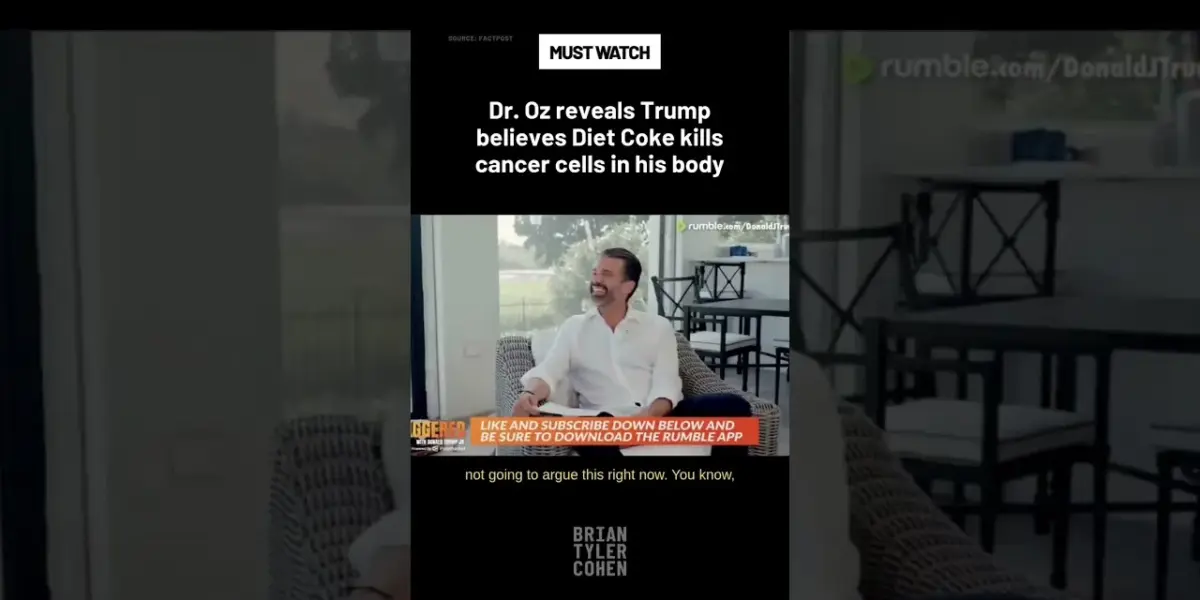
Donald Trump reportedly believes Diet Coke and Fanta can kill cancer cells, a claim Dr. Oz shared. This belief, based on flawed logic linking beverages to killing grass, lacks scientific support and raises concerns about health misinformation. It highlights the dangers of unverified health claims from public figures.

Trump’s Diet Soda Belief: Cancer Cure or Dangerous Delusion?
Donald Trump reportedly believes that Diet Coke, and even Fanta, can kill cancer cells in his body. This startling claim, shared by Dr. Mehmet Oz, suggests a deeply held, albeit medically unsupported, conviction about the health benefits of certain beverages. The former president’s logic, as described, links the beverage’s ability to kill grass to its supposed ability to combat cancer within the human body. This idea, however, lacks any scientific backing and raises serious concerns about health misinformation.
The “Cancer-Killing” Beverage Theory
The anecdote comes from Dr. Oz, who recounts conversations with Trump. According to Oz, Trump would often have candy bars and diet sodas readily available. When questioned about his diet soda consumption, Trump would allegedly defend it by saying it was good for him because it kills grass. The leap from killing grass to killing cancer cells is a significant one, unsupported by any medical science. This kind of thinking, where a simple observation is extrapolated into a complex health claim, can be dangerous.
“Fresh Squeezed” Logic
Adding to the unusual claims, Trump reportedly also described a Fanta he was drinking as “fresh squeezed.” This statement, made in the context of defending its health benefits, further highlights a disconnect from conventional understanding of processed beverages. While some juices are indeed fresh squeezed and can be part of a healthy diet, mass-produced sodas like Fanta are not. The idea that a sugary, carbonated drink could be both “fresh squeezed” and beneficial for killing cancer cells showcases a unique and concerning perspective on health and nutrition.
Historical Context of Health Claims
This situation is not entirely new. Throughout history, many individuals, including public figures, have promoted unconventional or unproven health remedies. The allure of a simple solution to complex diseases like cancer is powerful. However, history also shows the dangers of believing and promoting such claims without rigorous scientific evidence. The medical community has long warned against relying on anecdotal evidence or flawed logic for health decisions, especially when dealing with serious illnesses.
Why This Matters
The implications of a public figure like Donald Trump promoting such ideas are significant. When influential people share unverified health beliefs, they can reach millions of followers who might be more inclined to believe them. This can lead to people making poor health choices, potentially delaying or abandoning evidence-based medical treatments in favor of ineffective or even harmful alternatives. The spread of health misinformation, especially concerning serious conditions like cancer, can have life-or-death consequences.
Balanced Viewpoints and Scientific Reality
From a scientific standpoint, there is no evidence to suggest that Diet Coke, Fanta, or any other soda kills cancer cells. In fact, excessive consumption of sugary drinks is linked to numerous health problems, including obesity, diabetes, and heart disease, which can indirectly increase cancer risk. While artificial sweeteners in diet sodas are generally considered safe in moderation, they are not a cancer cure. The scientific consensus is clear: cancer treatment and prevention rely on proven medical interventions, healthy lifestyle choices, and ongoing research, not on casual observations about beverages.
Trends and Future Outlook
The incident highlights a persistent challenge in the digital age: the rapid spread of misinformation, including health-related falsehoods. As more information, both true and false, becomes easily accessible, critical thinking and media literacy are more important than ever. For the future, it underscores the need for public health officials and medical professionals to actively combat misinformation. Educating the public about how to identify reliable health sources and the importance of evidence-based medicine is crucial. We must ensure that health decisions are guided by science, not by sensational claims or flawed personal theories.
Source: Dr. Oz reveals Trump believes Diet Coke kills cancer cells in his body (YouTube)

Related Articles

Trump Allies Defend Rising Gas Prices: A Political Tightrope
As Congress returns, allies of Donald Trump are defending rising gas prices and addressing controversial social media posts. This analysis explores their arguments, the economic viewpoints offered, and the broader political implications, particularly in swing states like Georgia.

Crypto Giant Denies Trump Ties, Blasts Biden’s “War on Crypto”
Crypto leader CZ strongly denied any business ties with former President Trump, calling such claims "baloney." He also criticized the Biden administration's "stiff regulatory agenda" against digital assets. CZ discussed writing his memoir from prison and his vision for Bitcoin's future.


Trump’s Jesus Meme Sparks Outrage, Divides Religious Leaders
Donald Trump's AI-generated meme depicting him as Jesus Christ has ignited a firestorm of controversy, drawing condemnation from religious leaders like Reverend Kyle Paisley as "blasphemous." Trump defended the post as a depiction of a doctor, a claim met with widespread skepticism.