Trump Allies Defend Rising Gas Prices: A Political Tightrope
As Congress returns, allies of Donald Trump are defending rising gas prices and addressing controversial social media posts. This analysis explores their arguments, the economic viewpoints offered, and the broader political implications, particularly in swing states like Georgia.

Trump Allies Defend Rising Gas Prices: A Political Tightrope
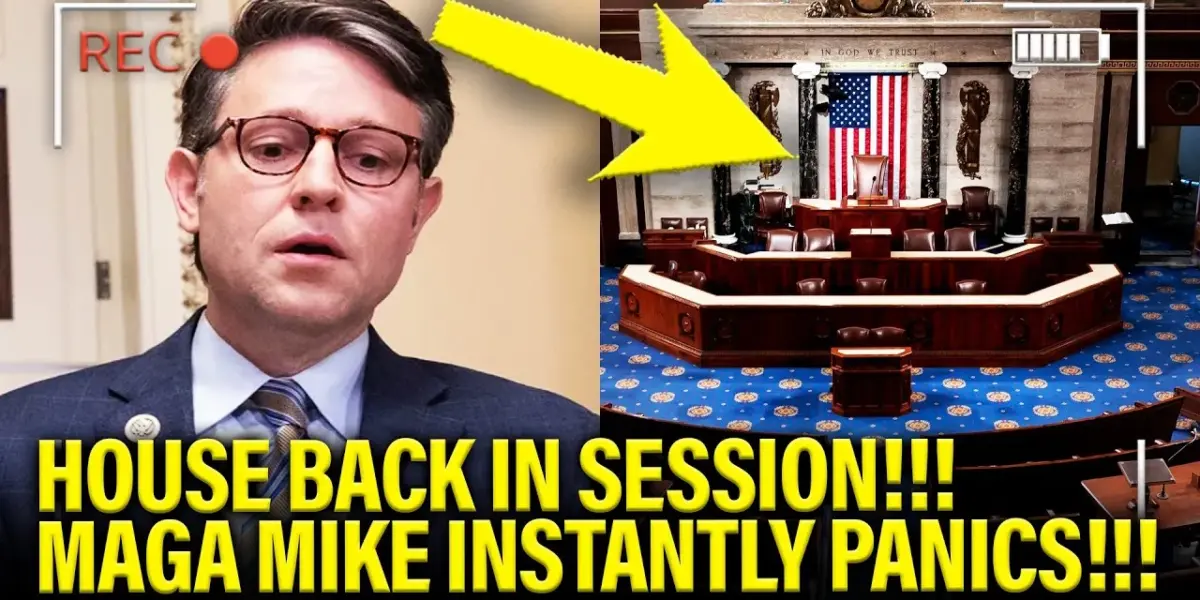
As Congress reconvenes, allies of former President Donald Trump are facing tough questions about rising gas prices. Speaker Mike Johnson, recently returned from a congressional recess, was immediately pressed by reporters about Trump’s controversial social media posts. These posts included images depicting Trump as Jesus, a move that sparked immediate backlash and questions of blasphemy.
Johnson stated he spoke with Trump about the posts, explaining that the intention was not understood as intended and that Trump agreed to remove them. Johnson called this action respectful. However, the conversation quickly shifted to economic concerns, particularly the rising cost of gasoline.
The Gas Price Puzzle
MAGA Republicans are finding themselves in a difficult position. While campaigning, they often promised lower gas prices. Now, as prices climb, some are trying to explain away the increases. Senator Tim Scott, when asked about affordability, pointed out that prices are still lower than they were under President Biden. He also credited President Trump and Republicans for efforts to secure energy supplies.
“I’m sorry the gas prices are going up, but help is on your way. And your national security, yes, is even more important than your pocketbook.”
This statement highlights a common defense: prioritizing national security over immediate economic relief. Former Trump energy secretary Chris Wright echoed similar sentiments, noting that while prices are over $4 a gallon, they remain lower than previous periods under Biden. He also linked higher prices to actions taken regarding Iran, suggesting a temporary dislocation for long-term energy security.
Economic Explanations and Criticisms
The Trump campaign has also sent out economic advisors to address the situation. Kevin Hassett, a former economic advisor, acknowledged the public’s frustration with gas prices. He suggested that while consumers are paying more, oil companies and related industries are seeing significant profits. Hassett argued that this benefit to the oil sector helps offset the negative impact on the overall Gross Domestic Product (GDP) for the U.S.
This economic argument, however, has drawn criticism. Some point out the apparent contradiction of celebrating profits for oil companies while Americans struggle to afford gas. Critics argue that this approach benefits corporations over everyday citizens.
Broader Political Landscape and Georgia’s Role
The discussion about gas prices is unfolding against a backdrop of significant political shifts. The interview features Kesha Lance Bottoms, former Mayor of Atlanta and former Senior Advisor to President Biden. She discussed the evolving political climate, particularly in Georgia, a state that has become a key battleground.
Bottoms noted that even within traditionally Republican districts, there are signs of changing voter sentiment. She cited close races and the election of Democrats to the Public Service Commission as evidence of this shift. She also mentioned significant Republican investment in Georgia, indicating the state’s importance in upcoming elections.
“We are seeing these shifts across the state. Last November, we elected two Democrats to the public service commission. That’s a really big deal because it hadn’t been done in nearly 30 years.”
She also touched upon the concept of leadership and the impact of political rhetoric. Bottoms suggested that the chaos and uncertainty often associated with Trump’s political style can create widespread anxiety. She contrasted this with a need for leaders who focus on shared humanity and improving people’s lives.
Lessons from the Past and Future Outlook
Bottoms shared personal reflections from her time as Mayor of Atlanta during the first Trump administration. She described taking unconventional actions, like closing the city jail to ICE, to protest federal policies. She emphasized that leaders can and should fight back against policies they believe are harmful.
Her new book, “The Rough Side of the Mountain,” explores themes of authenticity, leadership, and personal struggle. Bottoms believes that sharing personal stories can connect with people across party lines, fostering a sense of shared humanity. She argues that this approach is more effective than focusing on personality cults or political division.
The current political environment, marked by economic challenges and intense political debate, presents a complex picture. As the Trump allies attempt to navigate these issues, the focus remains on how voters will respond to these explanations and the broader economic conditions they face. The upcoming elections, with states like Georgia playing a crucial role, will likely be heavily influenced by these ongoing discussions.
Why This Matters
The debate over gas prices and the defense strategies employed by Trump’s allies reveal a core tension in modern politics. It highlights the challenge of balancing immediate economic concerns with broader national security goals and the impact of political messaging on public perception. The willingness of politicians to defend rising prices, often by shifting blame or emphasizing long-term benefits, speaks to the difficult political calculus they face, especially with elections on the horizon. Furthermore, the discussion around leadership, authenticity, and shared humanity, as raised by Kesha Lance Bottoms, suggests a growing desire among voters for leaders who can connect on a more personal level and address fundamental needs beyond partisan divides. The political landscape is clearly shifting, and how these economic and leadership narratives play out will be critical in shaping future political outcomes.
Implications, Trends, and Future Outlook
The current situation suggests a trend where political figures are increasingly forced to defend economic policies that directly impact constituents’ wallets. The reliance on arguments about national security or long-term benefits for price increases may prove to be a difficult message to sell, especially if prices remain high. This could lead to further voter frustration and a potential shift in support towards candidates offering more immediate economic solutions. The focus on states like Georgia also indicates a growing awareness of the importance of diverse voter bases and the need for parties to appeal beyond their traditional strongholds. As political rhetoric becomes more personalized, the emphasis on authenticity and shared experiences, as seen in Lance Bottoms’ approach, could become a more significant factor in political campaigns. The future outlook suggests a continued battle for public trust, where economic performance and relatable leadership will be key determinants of electoral success.
Historical Context and Background
The issue of energy prices and their political impact is not new. Throughout U.S. history, fluctuations in oil prices have often coincided with significant political events and elections. Periods of high gas prices have historically been a major concern for voters and a challenge for incumbent administrations. The debate over energy policy, including domestic production, international relations, and environmental concerns, has long been a contentious issue. The specific context of the current debate involves navigating global energy markets, geopolitical tensions, and domestic political pressures, all while dealing with the lingering effects of past administrations and the ongoing discourse surrounding former President Trump’s influence on policy and public opinion.
Source: MAGA Mike INSTANTLY PANICS as FLOODGATES OPEN on RETURN!!! (YouTube)

Related Articles

Crypto Giant Denies Trump Ties, Blasts Biden’s “War on Crypto”
Crypto leader CZ strongly denied any business ties with former President Trump, calling such claims "baloney." He also criticized the Biden administration's "stiff regulatory agenda" against digital assets. CZ discussed writing his memoir from prison and his vision for Bitcoin's future.

Trump’s Jesus Meme Sparks Outrage, Divides Religious Leaders
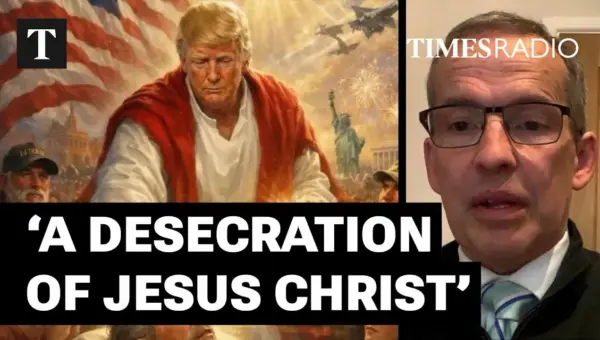
Donald Trump's AI-generated meme depicting him as Jesus Christ has ignited a firestorm of controversy, drawing condemnation from religious leaders like Reverend Kyle Paisley as "blasphemous." Trump defended the post as a depiction of a doctor, a claim met with widespread skepticism.

Pope Francis Condemns ‘Delusional Omnipotence,’ Challenging Trump
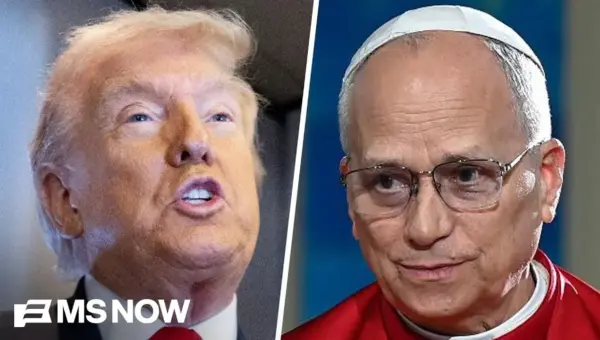
Pope Francis has sharply criticized "delusional omnipotence" and the misuse of faith for political ends. His remarks come amid controversy over a blasphemous image of Donald Trump, with religious figures urging focus on core moral issues over distractions. The Pope's stance positions him as a moral counterweight in global discourse.