Hungary Votes Out Orban, Shaking Up Eastern Europe’s Strongmen
Hungary has voted out long-time Prime Minister Viktor Orban, signaling a potential shift in Eastern European politics. Orban's government was accused of undermining EU foreign policy and supporting illiberal leaders, impacting countries like Slovakia and the Western Balkans. The new leadership promises a pro-European realignment, but faces challenges in dismantling established structures.

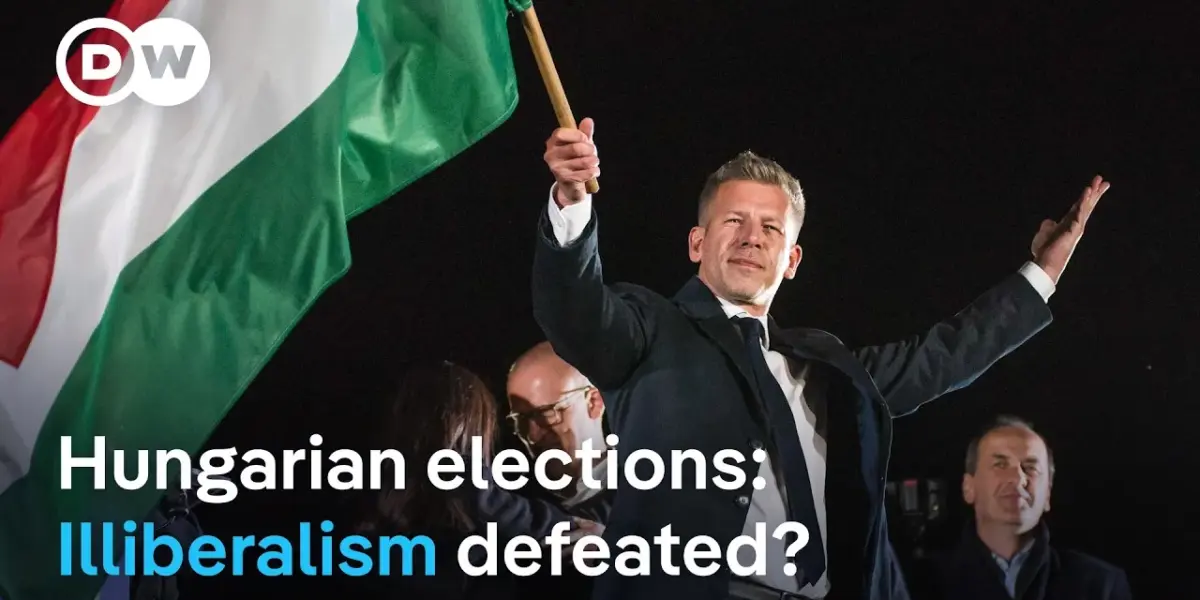
Hungary Elects New Leadership, Signals Shift in Eastern Europe
In a significant political development, Hungarian Prime Minister Viktor Orban and his Fidesz party have been voted out of office after 16 years. The opposition, led by Peter Magyar, secured a decisive victory, promising to tackle corruption and economic issues. This change in Hungary is expected to have ripple effects across Eastern Europe, potentially weakening the influence of other leaders who have aligned with Orban’s policies.
Orban’s Role as a European ‘Spoiler’
During his long tenure, Orban’s Hungary was often seen as a disruptive force within the European Union. Political scientist Yasmin Muyanovich described Hungary’s actions as undermining effective EU foreign policy, particularly concerning support for Ukraine. Decisions within the EU are typically made by consensus, a process Hungary, along with occasional allies like Slovakia, used to block or delay measures.
“Hungary has really undermined virtually any kind of effective uh European foreign policy,” Muyanovich stated. He explained that this allowed Hungary to obstruct near-unanimous EU decisions to support Ukraine. The election results suggest a shift, as Hungarian voters appear to favor a new foreign policy direction, with many showing clear opposition to Russia.
The ‘Illiberal Block’ and Its Allies
Orban was instrumental in building an “illiberal block” within the EU, especially among the Visegrad countries. This group emerged as a counterpoint to the traditional Western European liberal establishment, often associated with countries like France and Germany.
Slovakia’s Connection to Orban
Slovakia’s Prime Minister Robert Fico was a key figure in this alliance. Muyanovich highlighted reports suggesting that Hungary, under Orban, actively worked to support Fico’s rise to power. This coordination was reportedly shared with Moscow, indicating a common goal to bolster this illiberal bloc.
“Fico and Orban would often times always kind of keep each other’s backs, right?” Muyanovich explained. “And so if you could pick off one, you still had to deal with the other. They encouraged each other. They emboldened each other.” With Orban out of power, Fico may find it more challenging to act independently against the broader European consensus.
Hungary’s Influence in the Western Balkans
Orban’s influence extended beyond EU borders, particularly into the Western Balkans, a region of emerging democracies susceptible to external pressure. While Orban publicly supported EU enlargement in the region, his motives were complex.
He fostered close relationships with leaders like Serbia’s Aleksandar Vučić and the Bosnian Serb secessionist leader Milorad Dodik. Orban believed that bringing these countries into the EU under his influence would expand the illiberal bloc within the Union. This strategy aimed to increase the number of countries aligning with pro-Russia stances, as Serbia, for example, has maintained close ties with Russia.
Threats to Bosnia and Herzegovina
Hungary became a significant threat to the security and stability of Bosnia and Herzegovina, especially in recent years. Orban explicitly supported Milorad Dodik, the leader of Republika Srpska, a Serb-dominated entity within Bosnia. Dodik has consistently called for independence and worked to weaken Bosnia’s central government.
Muyanovich detailed a concerning incident where, after Dodik was removed from office by Bosnian courts for challenging the constitutional order, Orban reportedly deployed Hungarian special forces to Bosnia. These forces were allegedly prepared to aid Dodik’s potential escape, illustrating the depth of Orban’s support for the Bosnian Serb leader.
Disrupting Kosovo’s Stability
Orban’s government also pursued a detrimental policy towards Kosovo, a young and often volatile nation. Hungary strongly backed Serbia’s refusal to recognize Kosovo and normalize relations between Belgrade and Pristina.
Concerns have been raised by officials in Kosovo and their European and American counterparts about Hungarian diplomats and security officials operating within Kosovo. These individuals, present through UN offices and NATO peacekeeping forces, are seen by some as hostile actors. They have allegedly collaborated with Serbian and Russian intelligence services, acting as a “Trojan horse” within Euro-Atlantic security structures in a region already marked by instability.
A New Era for Hungary and Eastern Europe?
The pattern of Hungary supporting pro-Russia, anti-democratic leaders across Eastern Europe appears poised to change with Orban’s departure. Peter Magyar’s government has pledged to reorient Hungary as a strong partner for Europe and NATO. This shift offers renewed hope for struggling democracies in Eastern Europe to build stronger institutions.
“The election results change things across Europe… Hungary has really undermined virtually any kind of effective uh European foreign policy.”
Challenges Ahead for the New Government
Despite the optimism, challenges remain. Muyanovich cautioned that Peter Magyar himself was once a member of Fidesz. He also pointed out the deeply entrenched “deep state” or “parastate” that Fidesz may have established over 16 years, influencing academia, think tanks, and security services.
The coming months and years will likely see a significant “push-pull” dynamic as the new government attempts to implement its agenda and dismantle the structures of the past. The expectations for Magyar’s government are high, but so are the obstacles it faces.
Source: How Hungary’s election weakens strongmen in Eastern Europe | DW News (YouTube)

Related Articles


Iran Tensions Rise: Escalation Looms in Middle East
Tensions between Iran and Israel are escalating following an alleged Israeli strike on an Iranian consulate. Iran has vowed retaliation, raising fears of a wider conflict. This situation could destabilize the Middle East and impact global markets.
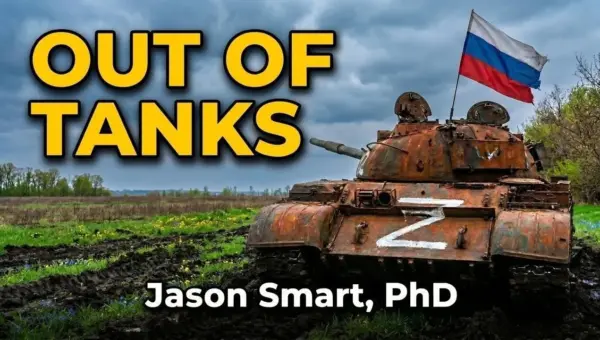
Ukraine Strikes Deep, Russia’s Defense Crumbles
Ukraine's deep strikes into Russia are exposing critical weaknesses in Moscow's defenses and economy. Russia's military struggles with outdated equipment and rising losses, while its population faces severe economic hardship. The Kremlin's inability to protect key infrastructure raises serious questions about President Putin's leadership and the stability of his regime.

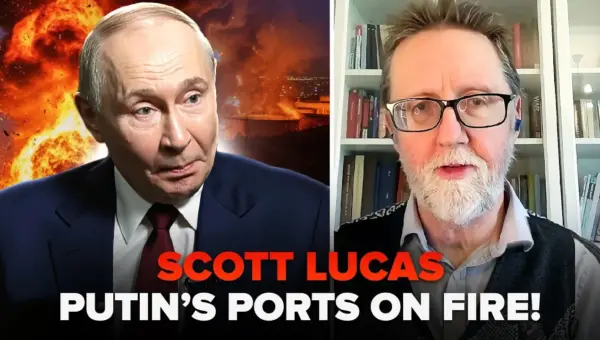
Ukraine Strikes Russian Ports; US Allies Fear Wider Conflict
Ukraine's escalating drone and missile strikes on Russian oil ports are stretching Moscow's defenses and impacting global energy markets. Meanwhile, internal political shifts in the U.S. and Europe suggest a potential realignment away from supporting Ukraine.