Trump Officials Cite Religion to Justify Iran War
As the war in Iran enters its second month, Trump administration officials are increasingly using religious language to justify the conflict. Pete Hegseth has been notably vocal in framing the war as a spiritual battle. This approach raises questions about the administration's motivations and the broader implications for foreign policy.

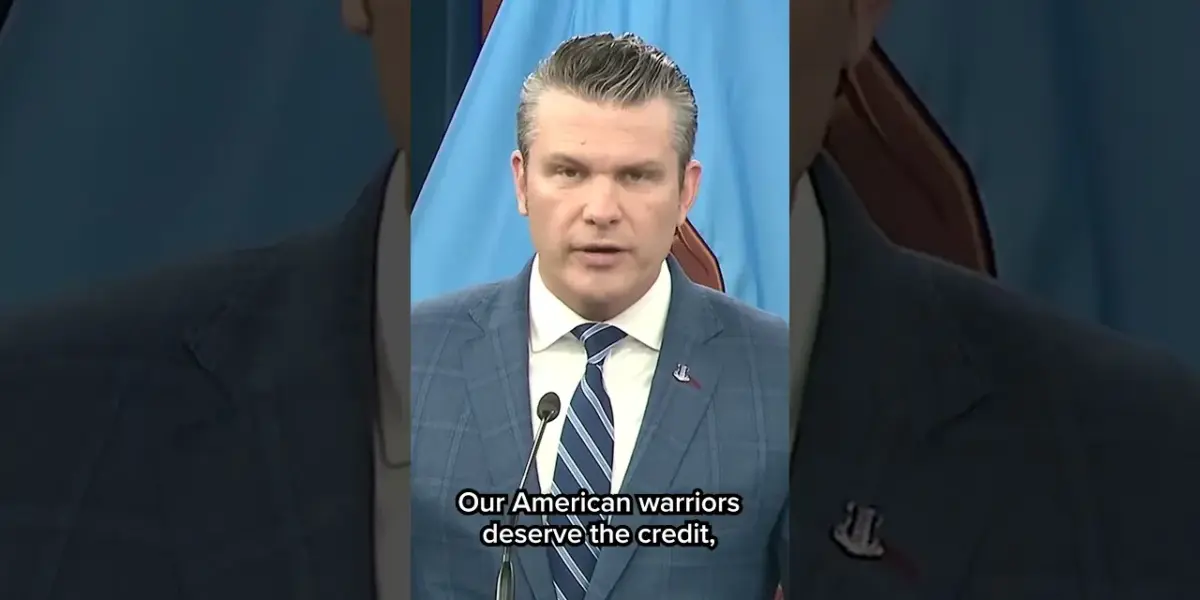
White House Cites Faith in Ongoing Iran Conflict
As the war with Iran entered its second month, officials within the Trump White House have increasingly turned to religious language to explain and defend the ongoing military action. This shift in rhetoric, observed in administration briefings, highlights a growing trend of invoking faith to frame foreign policy decisions. The use of religious justifications raises questions about the motivations behind the conflict and how it is being presented to the public.
Religious Messaging in Briefings
Recent analysis of White House communications reveals a consistent pattern of religious references in official statements regarding the Iran war. These mentions serve to frame the conflict not just as a geopolitical struggle, but as something with a deeper, spiritual significance. This approach aims to resonate with specific segments of the population who may be more receptive to religiously framed arguments.
The strategy appears to be a deliberate one, aimed at shaping public perception and garnering support. By connecting the war effort to divine will or moral imperatives, the administration seeks to elevate the conflict beyond conventional political or military objectives. This tactic can be particularly effective in rallying a base that values religious conviction.
Hegseth’s Role in Shaping the Narrative
Pete Hegseth, a prominent figure often seen with President Trump, has been particularly vocal in weaving religious themes into the discussion of the Iran conflict. His public statements and appearances have frequently emphasized the idea that the war is part of a larger spiritual battle. Hegseth’s influence suggests a concerted effort to infuse religious ideology into the administration’s foreign policy discourse.
His arguments often position the conflict as a necessary stand against forces that are seen as fundamentally opposed to religious values. This framing can simplify complex geopolitical issues into a clear dichotomy of good versus evil, making it easier for some to understand and accept the necessity of military action. His role highlights how individuals can significantly impact the way major events are communicated.
Broader Implications of Religious Justification
The increasing reliance on religious justifications for military action has significant implications. It can alienate international allies who do not share the same religious perspectives.
It risks oversimplifying complex geopolitical situations, potentially leading to miscalculations and unintended consequences. The use of faith as a political tool requires careful examination.
This approach can also create divisions within the United States, as not all citizens may agree with the religious framing of foreign policy. It shifts the focus from strategic interests and international law to matters of faith and morality, which can be subjective and divisive. Understanding these underlying motivations is key to grasping the full context of the conflict.
Looking Ahead
As the war continues, it will be crucial to monitor how the Trump administration and its allies continue to employ religious rhetoric. The public and international community will be watching to see if this becomes a standard approach to justifying future military engagements. The long-term impact of framing foreign policy through a religious lens remains a significant question for observers of global affairs.
Source: Trump and Hegseth keep invoking religion in the Iran war (YouTube)

Related Articles
President Trump Celebrates NCAA Champions at White House
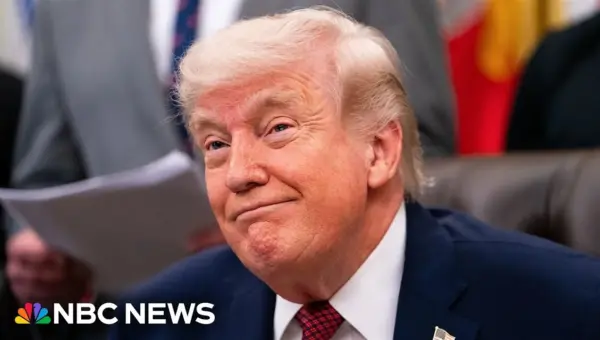
President Donald Trump hosted seven NCAA championship-winning teams at the White House, celebrating their athletic achievements and discipline. The event also served as a platform for the President to discuss his administration's reforms aimed at protecting college sports, including measures on eligibility and athlete competition.

Trump’s Cabinet Woes: FBI Director Sued, Labor Secretary Resigns
FBI Director Cash App P. Patel is suing The Atlantic over misconduct allegations, while Labor Secretary Lorie Chavez-DeRemer has resigned amid an investigation. Meanwhile, Robert F. Kennedy Jr. faces backlash for controversial remarks about Black children, and Donald Trump's claims of winning a war are questioned by lawmakers.
Trump’s Iran Standoff: Talks Collapse Amidst Threats
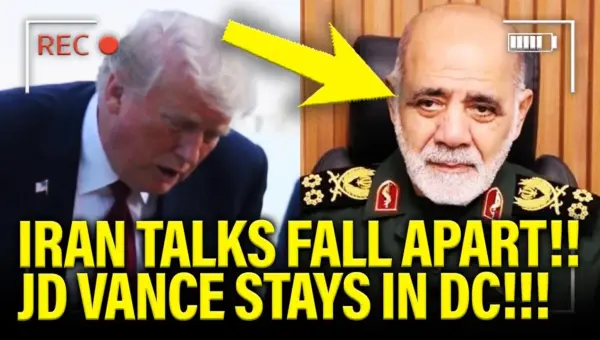
U.S.-Iran talks have collapsed amid a continued naval blockade, with Iran refusing to negotiate under threat. President Trump expects renewed conflict, while Iran warns of retaliation. Conflicting reports and aggressive rhetoric create a volatile situation with global implications.