Psaki Slams Hegseth’s ‘No Quarter’ Remarks as Illegal
Jen Psaki strongly criticized Defense Secretary Pete Hegseth's call for "no quarter, no mercy" for U.S. enemies. Psaki stated that such remarks could violate international law, which prohibits denying quarter to surrendering combatants. The comments raise concerns about the rhetoric used in national security and its adherence to global norms.

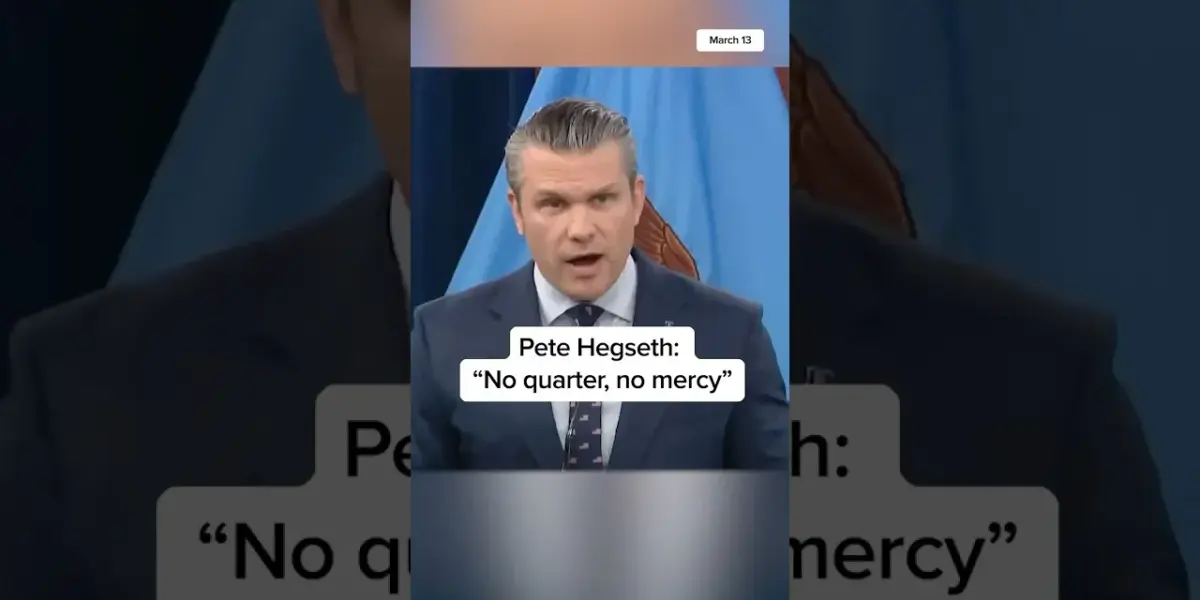
Psaki Condemns Hegseth’s ‘No Quarter’ Statement
Jen Psaki, the former White House Press Secretary, has strongly criticized remarks made by Defense Secretary Pete Hegseth. Hegseth called for “no quarter, no mercy” for U.S. Enemies. Psaki argued that such statements could potentially violate international law.
She explained that this kind of rhetoric is not typical for high-ranking U.S. Officials. The comments suggest a potentially harsh and unforgiving approach to conflict.
Understanding ‘No Quarter’
The phrase “no quarter” historically means offering no mercy to a defeated enemy. This often implies that prisoners of war would not be taken. It suggests an intention to kill all enemy combatants, regardless of their willingness to surrender.
This concept is largely considered outdated and illegal under modern international laws governing warfare. International humanitarian law, such as the Geneva Conventions, protects combatants who surrender. It mandates humane treatment for prisoners of war.
Legal Implications of Hegseth’s Words
Psaki pointed out that using such language from a high-ranking defense official is serious. It could be interpreted as a directive or endorsement of illegal actions. International law strictly prohibits denying quarter.
This is because it directly contradicts the principle of treating surrendered combatants humanely. Violating these laws can have severe consequences for individuals and the nation.
It can lead to accusations of war crimes. It also undermines the U.S.’s standing on the global stage regarding human rights and international law.
Context of the Remarks
While the transcript does not specify the exact context or target of Hegseth’s “no quarter” statement, such remarks often arise during times of heightened tension or conflict. They can be directed at adversaries perceived as particularly brutal or posing an existential threat. Sometimes, such strong language is used for domestic political messaging.
It aims to project an image of strength and resolve. However, the legal and diplomatic ramifications remain significant, regardless of the intended audience.
Broader Concerns and International Law
Psaki’s reaction highlights a broader concern about the rhetoric used in national security discussions. Maintaining a commitment to international law is crucial for diplomatic relations and upholding global norms. Even in the face of grave threats, official statements must adhere to legal and ethical standards.
The U.S. Has historically championed the rule of law internationally. Departures from this principle, even in language, can damage that reputation. It can also embolden adversaries to disregard international norms themselves.
Potential for Misinterpretation
The powerful nature of Hegseth’s words means they can be easily misinterpreted or deliberately twisted by opponents. Adversaries could use the statement to claim the U.S. Is acting outside international law. This could justify their own aggressive actions or rally support against American interests.
Psaki’s analysis suggests that the Defense Secretary’s office needs to be extremely careful with its public statements. Clarity and adherence to legal frameworks are paramount in defense policy communication. This ensures that the U.S. Is perceived as a responsible global actor.
Moving Forward
The controversy surrounding Hegseth’s remarks highlights the delicate balance between projecting strength and upholding international legal obligations. Future statements from defense officials will likely be scrutinized more closely. The international community will be watching to see if the U.S. Maintains its commitment to the rules of war.
The State Department and Department of Defense will need to ensure their messaging aligns with U.S. Legal commitments. This is especially important as geopolitical tensions continue.
Source: REACTION INCOMING – Pete Hegseth: 'No quarter, no mercy' (YouTube)

Related Articles

US Strikes on Iran: Legal Debate Ignites
Recent US and Israeli strikes on Iran have ignited a debate over their legality, focusing on international law and the UN Charter. While a UN Security Council resolution is the gold standard for authorizing force, such approvals are rare. Nations often rely on arguments of self-defense, a justification that has become central to the current conflict.

Trump’s Global Chaos: Might Makes Right?
Donald Trump's actions, from challenging international law to embracing a Christ-like image, are reshaping the global order. This shift towards 'might makes right' creates instability and emboldens adversaries, while figures like the Pope warn of a loss of human dignity and justice.


US Blockade Triggers New Global Chaos
The U.S. Navy's blockade of the Strait of Hormuz escalates tensions with Iran, risking global conflict and economic fallout. This move challenges international law and sets a dangerous precedent for controlling vital trade routes.