GOP’s Wild Ride: From Iran War Blunders to Energy Policy Chaos
Republican leaders are facing criticism for prioritizing political theater over pressing public concerns like healthcare and energy costs. The transcript highlights a perceived lack of serious governance, particularly concerning foreign policy blunders in Iran and a detrimental approach to domestic energy production. This has significant implications for the economy, international trust, and the everyday lives of Americans.

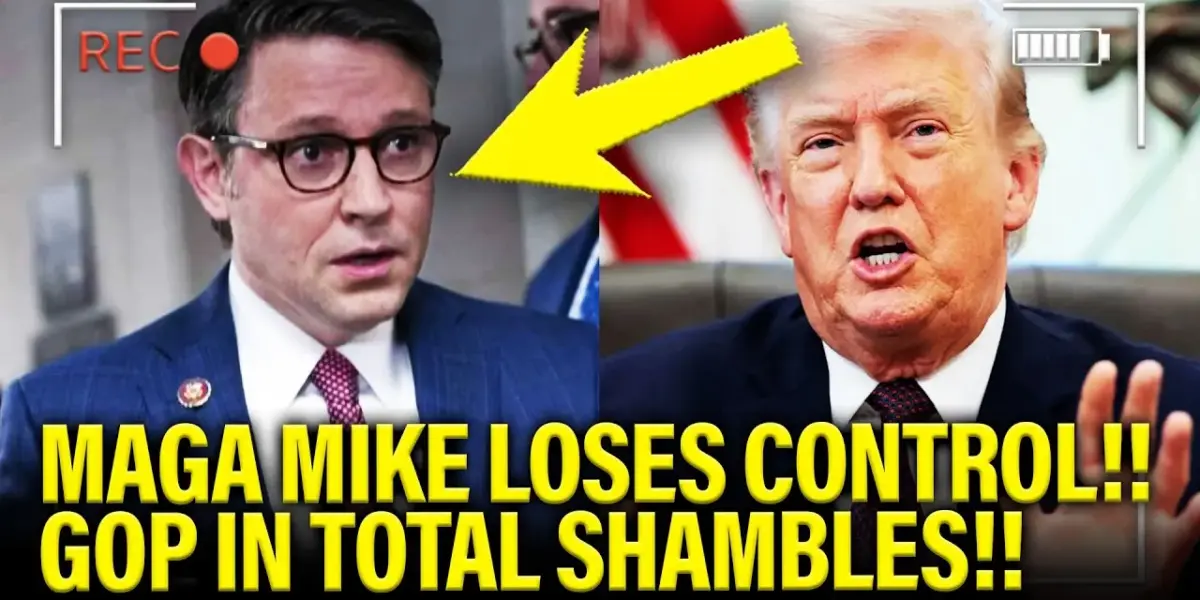
GOP’s Wild Ride: From Iran War Blunders to Energy Policy Chaos
The current political climate in Washington is marked by a striking disconnect between public concerns and the actions of some Republican leaders. While Americans worry about everyday issues like healthcare costs and energy prices, figures like Speaker Mike Johnson and former President Donald Trump seem preoccupied with less pressing matters. This contrast highlights a deeper problem: a lack of serious governance that impacts national security, economic stability, and the everyday lives of citizens.
At a recent press conference, Speaker Johnson addressed the ongoing chatter on Capitol Hill, suggesting that scandals and personal misdeeds have always been part of politics. He stated, “There’s always been unchaste activity among political figures. I mean, going back to time in memorial, right?
There’s always been marital infidelity. There’s always been despicable behavior.” He implied that today’s active press corps simply makes these issues more visible.
The Iran War and Confused Messaging
Adding to the confusion, Republican Congresswoman Lisa McClain defended current energy policies, stating, “It is crazy to sacrifice our national economic security for woke Green New Deal talking points.” However, the transcript suggests a different reality, where promises of affordability have not materialized, leading to public frustration. This disconnect between rhetoric and results is a recurring theme.
The discussion also touched upon the ongoing conflict in Iran, with some Republicans expressing a strong, almost boastful, stance. Congressman Andy Ogles described the U.S. as a “dominant predator across all landscapes,” suggesting a message has been sent to Iran that the U.S. is prepared to act decisively. This aggressive posture, however, seemed to be met with skepticism from critics who felt it was more about performative action than strategic planning.
Democratic Congressman Sean Casten offered a starkly different view, calling the current moment “existential” and comparing the administration’s approach to a poorly produced reality show. He described classified briefings on Iran that felt more like adolescent boasting about weaponry than serious strategic discussions. “What is the plan?” he questioned, highlighting a lack of clear objectives or foresight regarding potential consequences, such as the impact on global oil prices through the Strait of Hormuz.
“The entirety of the thought process is the thought process that I had when I was a 12-year-old boy… But that is how Exith and Rubio and Andy Ogles view the role of the United States.”
Energy Policy: A Missed Opportunity
The conversation then shifted to energy policy, an area where bipartisan cooperation could yield significant benefits. Casten argued that becoming leaders in clean energy would not only help the environment but also boost the economy and combat inflation. He pointed to the fact that the U.S. has the largest oil supply shock in history, yet seems to be hindering alternative energy sources that could lower prices.
The transcript revealed that Trump’s policies have reportedly cost the U.S. clean energy sector $62 billion in investment and 180,000 jobs. Many of these jobs were located in Republican districts, indicating that a focus on consumers over producers could benefit a broad range of Americans. The current approach, critics argue, disfavors domestic clean energy initiatives, leading to increased investment in China and a loss of global competitiveness for U.S. companies like Tesla.
Casten explained that the resistance to transitioning away from fossil fuels is often tied to understandable anxieties about job losses in traditional energy sectors. He drew a parallel to Egypt’s president, who worried about unemployment if fossil fuel subsidies were removed, leading to potential unrest. “Ripping that band-aid off is politically disruptive,” Casten noted, suggesting that support for transitioning communities is crucial.
Restoring Trust and Moving Forward
A significant concern raised was the erosion of trust among international allies. Some foreign partners now view the U.S. with caution regarding intelligence sharing, similar to how they approach discussions on climate change. They trust Democrats but question the reliability of future Republican administrations, forcing them to treat the U.S. differently.
Casten stressed that restoring this trust will be a long process, especially since it’s difficult to argue that Donald Trump’s actions are an anomaly or do not represent the values of many elected Republicans. The question remains whether future Republican leaders will comport themselves with the dignity and seriousness required of their office.
Looking ahead, Casten urged voters to consider the broader implications of current policies. He believes that winning elections is the first step toward implementing an energy policy that unambiguously prioritizes consumers. “The cheapest forms of energy are the cleanest forms of energy,” he stated, encouraging individuals and communities to invest in solar, wind, and electric vehicles for both personal economic benefit and national strength.
Why This Matters
The discussion highlights a critical juncture for American leadership. The perceived unseriousness and chaotic decision-making surrounding foreign policy and energy initiatives by some in the Republican party create instability.
This not only affects international relations but also has direct consequences on the U.S. economy, job growth, and household budgets. The disconnect between the public’s pressing concerns and the leadership’s focus suggests a need for a return to pragmatic, consumer-focused policies.
Implications and Future Outlook
The current trajectory suggests continued economic challenges if pragmatic energy policies are not adopted. The loss of jobs and investment in the clean energy sector could hinder long-term economic growth and national security.
The erosion of international trust could weaken America’s standing on the global stage. The upcoming elections will be crucial in determining whether the U.S. shifts back towards policies that benefit the majority of its citizens.
Historical Context
The debate over energy policy has long been a contentious issue, often pitting established fossil fuel interests against emerging clean energy technologies. Historically, bipartisan support has been essential for major energy transitions. However, recent political polarization has made consensus building difficult, leading to policies that may favor short-term gains for a few over long-term benefits for many.
The current situation echoes past debates where national interests were sometimes sidelined by partisan politics. The emphasis on “predator” mentalities in foreign policy and the dismissal of clean energy technologies reflect a broader struggle between traditional industrial interests and the demands of a changing global economy. The transcript suggests that this struggle is currently hindering progress and creating risks.
The call for “grown-ups” in the room signifies a desire for a return to more stable and rational governance. The future outlook depends on whether political leaders can move beyond divisive rhetoric and implement policies that address the real needs of the American people and the evolving global challenges.
As Congressman Casten concluded, the path forward involves winning elections to regain control of policy-making and then enacting an energy strategy that unequivocally prioritizes consumers. He also stressed the importance of individual and community-level investments in clean energy, noting that these are sound economic decisions with long-term benefits. The next election will be a key moment to assess the direction of U.S. energy and foreign policy.
Source: MAGA Mike IN TERROR as Trump NEGOTIATIONS FAIL!!! (YouTube)

Related Articles

Vance Defends Support for Hungary’s Orban Despite Loss, Putin Ties
Senator JD Vance is defending his support for Hungarian Prime Minister Viktor Orban, despite Orban's election loss and ties to Vladimir Putin. Vance cited Orban's willingness to stand up to Brussels bureaucracy as a key reason for his backing. Critics, however, point to concerns about Hungary's democratic backsliding under Orban's leadership.

Trump’s Bold Claims: Winning Wars in Minutes?
Donald Trump claims he could have won the Vietnam War quickly and taken over Venezuela in 45 minutes. Critics question these assertions, pointing to his own draft deferments during Vietnam and his current inability to resolve stalled conflicts like Russia-Ukraine and Israel-Gaza.

Trump Faces Iran Fallout: Who Will Take the Blame?
Donald Trump's approach to Iran negotiations is reportedly faltering, leading to a search for blame. Experts suggest that instead of experienced diplomats, Trump relied on loyalists lacking foreign policy expertise. This has created a situation where personnel changes are seen as inevitable, with JD Vance and others potentially facing public pressure to resign or being fired.