Iran’s New Battlefield Cards Met by US Naval Might
Iran has threatened to reveal new battlefield capabilities as a ceasefire with the U.S. nears its end. However, the U.S. is bolstering its naval presence with three carrier strike groups, aiming to pressure the IRGC. Analysts suggest Iran's potential 'new cards' include enhanced air defenses and coordinated proxy attacks, possibly with Chinese assistance, while its economy faces severe strain from a U.S. blockade.

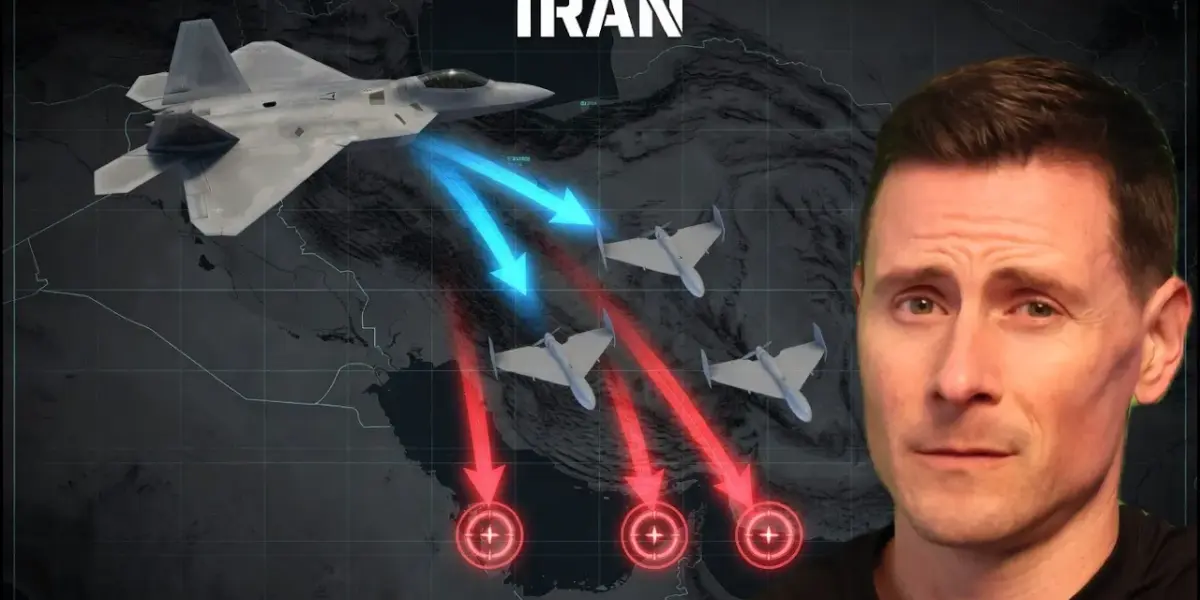
Iran’s Regime Cornered as New Battlefield Cards Surface Amid Standoff
Tensions between Iran and the United States are escalating as a fragile ceasefire nears its end. Iran’s parliament speaker, Muhammad Bagar Galabaf, issued a stern warning, stating, “We do not accept negotiations under the shadow of threats.” He accused the U.S. of violating the ceasefire and attempting to force a surrender or justify renewed conflict. Galabaf declared that Iran has prepared to reveal new battlefield capabilities, suggesting a potential shift in the ongoing standoff.
The United States is significantly increasing its naval presence in the region. Currently, the USS Abraham Lincoln and USS Ford carrier strike groups are in the area.
The USS George HW Bush is also en route, expected to join them soon. The combined force of three carrier strike groups represents a substantial increase in American power projection, aimed directly at the Islamic Revolutionary Guard Corps (IRGC).
Iran’s Potential New Capabilities and U.S. Response
Analysts suggest Iran’s new battlefield cards may focus on enhancing its air defense network. This could involve acquiring new surface-to-air missiles and radar systems, possibly with assistance from China.
Radar sites have been identified near critical energy infrastructure, which supports Iran’s ballistic missile and drone programs, as well as near military bases. The strategic placement of these radar sites, some in remote locations, is likely intended to protect sensitive assets like drone storage facilities.
These potential advancements aim to improve Iran’s targeting capabilities, especially concerning its Shahed drones. The IRGC has also been noted for its propaganda efforts, highlighting perceived new strengths. This includes showcasing unusual flexibility in training exercises, which the IRGC is presenting as a significant threat to potential adversaries, even suggesting it could challenge elite special operations forces.
Meanwhile, reports on the effectiveness of the U.S. naval blockade of Iranian ports present conflicting narratives. Some outlets claim the blockade has completely halted economic trade within 36 hours.
Others suggest marine traffic in the Strait of Hormuz has been barely affected. These differing accounts highlight the challenge of verifying battlefield information during periods of high tension.
Strategic Implications and Geopolitical Impact
The U.S. naval blockade is reportedly inflicting significant economic damage on Iran, with estimates suggesting losses of up to $500 million per day. This economic pressure is a key component of the U.S. strategy to compel Iran to negotiate on American terms.
The seizure of the ship Tusca by U.S. Marines marks a tangible escalation, with Iran reportedly losing significant air defenses and top commanders. The IRGC’s financial resources are under severe strain, potentially creating internal pressure within the organization.
Analysts have identified three main possibilities for Iran’s new battlefield capabilities. First, improved targeting intelligence, possibly from China, could enable more accurate ballistic missile strikes against U.S. bases and assets. Second, Iran might coordinate a multi-front offensive using proxy militias in Lebanon (Hezbollah), Iraq, and Yemen (Houthis), which have been relatively inactive during the ceasefire.
Third, and most concerning for aircrews, is the potential deployment of advanced electro-optical or infrared guided man-portable air-defense systems (MANPADS). These systems, possibly upgraded with Chinese assistance, could pose a greater threat to aircraft operating in contested airspace.
The U.S. military is prepared to counter these potential moves with a layered defense strategy. This would likely involve suppressing enemy air defenses (SEAD) operations, targeting new radar systems and command and control nodes, and employing stealth assets like the F-22 and F-35 to create safe corridors for other aircraft. Naval assets, including Marine Expeditionary Units operating from amphibious assault ships, are also positioned to support the blockade and conduct targeted strikes against IRGC leadership and infrastructure.
Iran’s refusal to attend talks in Islamabad signifies defiance, but it comes from a position of considerable weakness. Despite rhetoric about new capabilities, Iran’s air defenses are degraded, its leadership has suffered losses, and its economy is collapsing.
The U.S. administration has made it clear that the ceasefire will not be extended without full compliance, and warnings have been issued about potential strikes on critical infrastructure like power plants and bridges if necessary. The coming days will determine whether Iran chooses serious negotiation or faces further dismantling of its remaining military and economic capabilities.
The deadline for the ceasefire’s end is imminent. Iran faces a stark choice: negotiate seriously on U.S. terms or risk significant further military action. The U.S. military remains on alert, ready to respond if diplomatic channels fail.
Source: Iran's Regime Cornered As Their New Battlefield Cards Surface (YouTube)

Related Articles


Iran Hides Missiles as War Clouds Gather
As a ceasefire nears its end, Iran is reportedly moving its ballistic missiles to hidden locations, signaling potential preparations for renewed conflict. The U.S. military stands ready to resume bombing campaigns if necessary, while diplomatic efforts face uncertainty with Iran's response to peace talks still pending. China's alleged involvement in supplying missile parts adds another layer of complexity to the volatile situation.


Internet Blackout Tanks Putin’s Approval Ratings
New approval ratings show a significant drop for Vladimir Putin, tied to widespread internet disruptions in Russia. The data indicates public frustration over loss of online access is greater than concerns about the war in Ukraine. This digital blackout presents a unique challenge to the Kremlin.
Pakistan Army Chief Acts as Trump’s Secret Diplomat
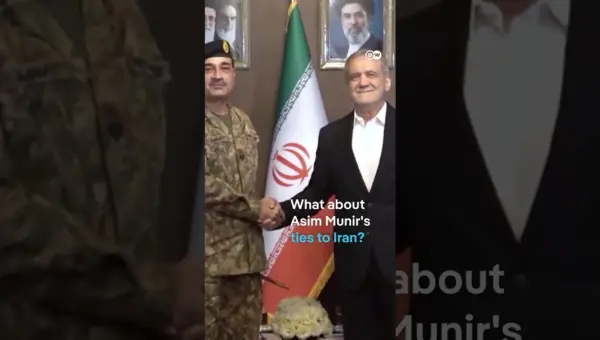
Pakistan's Army Chief, General Asim Munir, has become an unofficial diplomat, building a personal rapport with Donald Trump and mediating sensitive talks with Iran. This role highlights Pakistan's hybrid governance system, where the military plays a significant part in foreign policy. Munir's actions aim to stabilize the region and enhance Pakistan's global influence.