$100M Wasted on Empty NYC Preschools
New York City faces a $100 million cost for unopened preschools, sparking outrage over government waste. Meanwhile, a proposed tax on luxury second homes is criticized for potentially harming investment and lowering property values. Investors watch closely as budget negotiations could reshape the city's financial future.

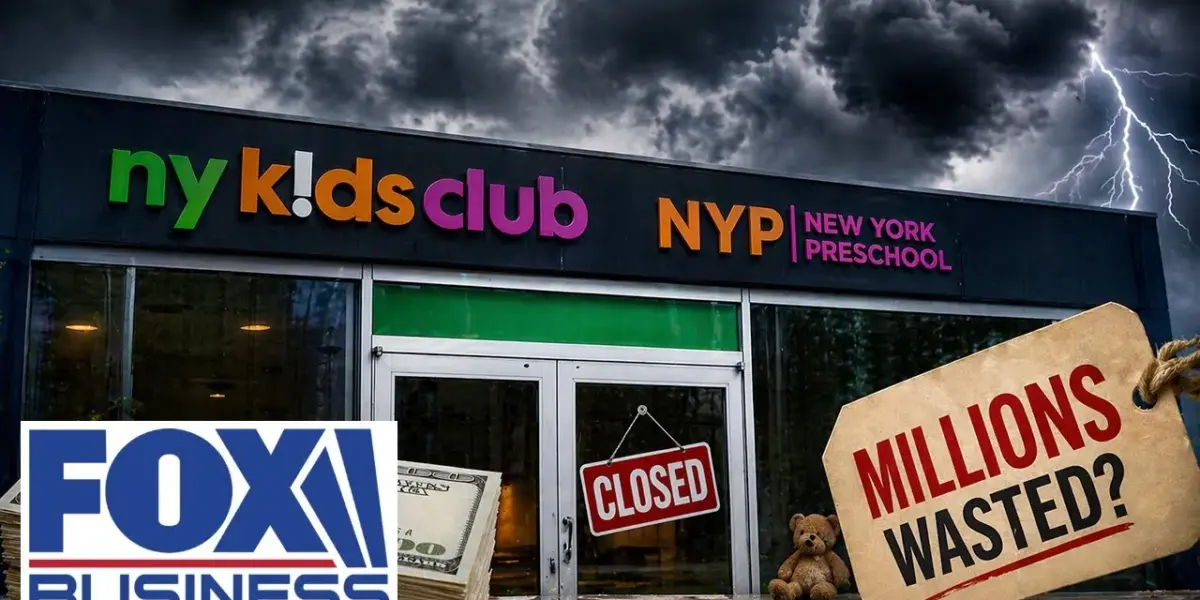
Empty NYC Preschools Burn Through $100 Million
New York City taxpayers are footing a $100 million bill for preschools that have never opened their doors. These facilities are still costing the city money for rent and utilities, despite remaining completely empty. This situation highlights significant waste and inefficiency in public spending.
Proposed Taxes Spark Investment Fears
Meanwhile, a proposed tax on second homes valued at $5 million or more is drawing sharp criticism from a key New York City business group. They argue this tax will discourage investment and potentially lower property values across the city. The group believes such taxes could harm the high-value real estate market, which supports thousands of jobs in the building trades.
Taxation Debate Intensifies
The debate centers on whether these taxes will actually help balance the city’s budget or worsen its financial situation. Proponents, like State Comptroller Thomas DiNapoli, see these taxes as a way to raise needed revenue from high earners and foreign investors. They believe it’s a way to protect more people by ensuring wealthy individuals and corporations contribute more.
Critics, however, argue that taxing high earners and foreign investors will push them away from New York. They point to people already leaving for states like Florida and South Carolina to avoid higher taxes. This exodus, they contend, could reduce overall tax revenue in the long run.
Concerns Over Government Efficiency
The issue of empty preschools fuels broader frustration with government spending. Critics question why public sector projects often cost significantly more than private sector alternatives. For instance, they suggest that daycare services could be provided at 60-70% of the cost by private companies.
This perception of inefficiency leads to skepticism about government’s ability to manage resources effectively. The argument is that if government services were more efficient, public trust and support for taxation might be higher. Many believe New York and California, often seen as leaders in public services, also lead in wasteful spending.
Budget Negotiations Loom
With budget negotiations underway, the pressure is on to find solutions for the city’s financial challenges. Proposed tax increases on corporations and high earners are on the table. The outcome of these talks will likely determine the direction of fiscal policy in the coming year.
The current situation presents a stark contrast between the need for public funds and the perceived waste in existing programs. Finding a balance that supports essential services without burdening taxpayers excessively remains a significant challenge.
Market Impact
Real Estate Sector Concerns
The proposed tax on high-value second homes could directly impact the luxury real estate market. If wealthy buyers and investors are deterred, demand for high-end properties might decrease. This could lead to slower sales and potentially lower prices in that segment of the market.
The construction industry, which relies on new development, could see a slowdown. This might affect job growth and related businesses that support the building trades. The ripple effect could extend beyond just property owners and developers.
Investor Sentiment
For investors, particularly those with significant assets in New York real estate, these tax proposals signal a less favorable investment climate. The possibility of higher taxes, coupled with concerns about government efficiency, might encourage capital flight to more tax-friendly locations.
This could influence investment decisions, with some investors choosing to diversify their holdings away from New York. The city’s reputation as a safe haven for capital could be tested if tax policies become perceived as overly aggressive.
Broader Economic Implications
The debate over taxation and spending in New York reflects a larger national discussion about the role of government and its financial management. High levels of public spending, especially on projects that don’t deliver expected results, can erode public trust.
When taxpayers see millions spent on empty facilities, it fuels skepticism about the effectiveness of government programs. This can create political pressure for tax cuts or reforms, impacting economic policy across various sectors.
What Investors Should Know
Investors should monitor New York’s budget negotiations closely. The outcome of proposed tax increases on high earners and corporations could affect the broader economic outlook for the state and city.
The real estate market, especially the luxury segment, may face headwinds if new taxes are enacted. Diversification of assets and awareness of regional tax policies are important considerations for investors.
The ongoing discussion about government efficiency and spending priorities is crucial. It shapes the environment in which businesses operate and investments are made. Upcoming budget decisions will provide clearer signals about the direction of fiscal policy.
Source: 'LIGHTING MONEY ON FIRE': Shocking COST tied to UNOPENED preschools (YouTube)

Related Articles

Homeowners Tap Equity for Investment
A significant number of homeowners are sitting on substantial equity, with many holding low mortgage rates. This creates a prime opportunity for strategic investors to tap into this wealth and acquire income-producing properties. The key is to responsibly access equity and put it to work, building a real estate portfolio over time.

New NYC Tax Could Spark Property Value Plunge
A new tax on second homes in New York City could lead to falling property values, according to former Miami Mayor Francis Suarez. He warns that such policies might drive away tax revenue and create budget gaps. The proposal also sparked debate on economic philosophies regarding redistribution versus wealth creation.


LA Exodus Accelerates: Home Prices Dip Amidst Population Loss
Los Angeles County is experiencing the largest population exodus in the U.S., losing 53,000 residents in 2025 alone. This migration is driven by high housing costs, with the typical home price at $878,000. Amidst this exodus, home prices in LA are beginning to decline, potentially creating buying opportunities.