The Verge Redesigns Homepage, Embraces Open Web
The Verge unveils a redesigned homepage, blending real-time feeds with curated content. The publication also discusses its embrace of open social web protocols and the future of its subscription model.

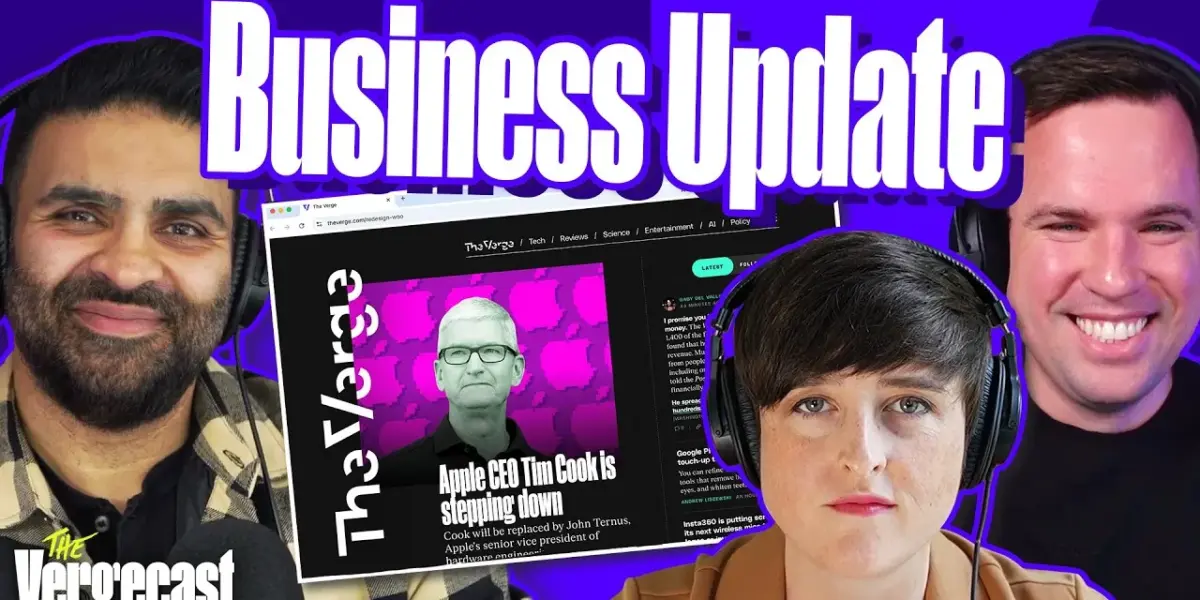
The Verge Redesigns Homepage, Embraces Open Web
The Verge has rolled out a significant redesign of its homepage, aiming to better serve its diverse audience and lay the groundwork for future innovation. This isn’t just a fresh coat of paint; it’s a structural change designed to create more flexibility and a better user experience.
Nilay Patel, Editor-in-Chief, explained that the new architecture separates the site’s real-time feed from its curated content. The right side of the homepage now features a chronological feed, similar to a social media stream, allowing for quick posts and real-time updates. This addresses user feedback, with many visitors treating the site like social media to find trustworthy, human-curated content away from algorithms.
Homepage Gets a Makeover
The left side of the new homepage is dedicated to “story sets,” a magazine-like section where The Verge can group related news and present more in-depth features with engaging headlines and decks. This allows the team to showcase their premium journalism and create impactful, themed collections that stand out.
Helen Havlak, Publisher, highlighted the business benefits of this restructuring. The new design supports a “promoted post” ad format, called a quick post ad, which performs significantly better than traditional banner ads. These integrated ads offer a better user experience and drive more engagement, creating a more sustainable revenue stream.
Follow Features Drive Engagement
The conversation also touched upon the success of the “following” feature, which allows users to follow specific reporters. While writers don’t see leaderboards of their follower counts, the feature has proven popular. AI is currently the most followed topic, with news, gadgets, and business rounding out the top five.
This data reveals how users engage with The Verge: for breaking tech news, to explore their passion for gadgets, and to stay informed for their jobs. Havlak noted that the automated email digests generated from followed topics have also become a key entry point for readers, driving repeat visits.
The Open Social Web: A New Frontier
A major focus of the discussion was The Verge’s interest in the open social web and protocols like Bluesky. Patel reiterated his belief that if The Verge were starting today, it would launch its own Bluesky server. The goal is to build around distribution channels that are not controlled by a single entity, offering a more stable and less algorithmically dependent future.
The team sees potential in connecting The Verge’s content, like quick posts, directly to these open protocols. While acknowledging the technical hurdles of integrating with current content management systems and addressing moderation challenges, the vision is to create a more seamless experience where engagement on platforms like Bluesky directly impacts The Verge’s site.
Community Over Traffic
Havlak added a business perspective, emphasizing that platforms like Meta and X are increasingly hostile to news content. By embracing open protocols, The Verge aims to create new acquisition channels without having to pay for visibility on algorithm-driven social networks. This allows them to invest more in journalism rather than advertising spend.
The ultimate goal is to build a community that exists across multiple platforms, fostering direct relationships with the audience. Patel envisions a future where The Verge feels like a vibrant community platform without the negative aspects often associated with large social networks.
Subscriptions Powering the Future
Addressing the balance between a subscription model and free content, Havlak explained that the old advertising-based web economy is no longer sufficient to support newsrooms. Subscriptions are now essential for core operations, while advertising helps with growth and scale.
The Verge aims to offer a mix of free and paid experiences, using feeds and potentially a future Verge app to attract new users. They are exploring options like discounted student subscriptions to ensure the site remains relevant to younger audiences long-term.
Audience Demographics
Regarding audience demographics, The Verge’s website and YouTube channels show identical age splits. The largest readership group is 25-34, followed by 35-44.
The 18-24 and 45-54 age groups are also significant, with fewer readers over 55. The site does not collect data for users under 17.
This younger skew is attributed to factors like the tech industry’s growth, The Verge’s approach to coverage, its embrace of individual personalities, and its presence on social platforms. The team believes hiring creative, engaging people is the key to attracting and retaining a younger, tech-savvy audience.
Source: The Vergecast Vergecast, 2026 edition | The Vergecast (YouTube)

Related Articles


Iran’s AI-Powered ‘Slopaganda’ War Targets Americans Online
Iran is employing advanced AI to create and spread 'slopaganda,' using internet culture to influence American views on global conflicts. This digital strategy bypasses traditional media, reaching younger audiences directly through memes and fake videos. Experts warn that this approach exploits information gaps and highlights a need for better U.S. online communication strategies.


Iran’s Digital Barrage: How Social Media Targets Trump
Iranian social media accounts are using AI and rapid content creation to mock Donald Trump and his allies. They employ satire and direct accusations, turning Trump's own tactics against him. This digital campaign highlights the growing role of social media in international influence operations.


Trump’s Cryptic Posts Signal Deep Personal Struggles
Donald Trump's recent surge in cryptic and repetitive social media posts, including a video of Frank Sinatra singing "My Way," has sparked widespread concern. Analysts suggest these actions signal a struggle with mortality and a disconnect from reality, raising questions about his fitness for office.